
Abel
December 28·Middle East
Abel is a biblical figure from the Book of Genesis, the second son of Adam and Eve. He is remembered as a righteous shepherd whose religious offering was accepted by God, unlike his brother Cain's. This led Cain to murder Abel, making him the first victim of death and the first martyr in biblical history.
Key Facts
- ›Abel was the second son of Adam and Eve, the first humans.
- ›He was a shepherd who offered his firstborn flock to God.
- ›God accepted Abel's offering but rejected Cain's, leading to Abel's death.
- ›Abel is considered the first murder victim and the first martyr in biblical tradition.
- ›Jesus referred to Abel as 'righteous' in the Gospel of Matthew.
- ›Some traditions place Abel's burial at the Nabi Habeel Mosque in Syria.
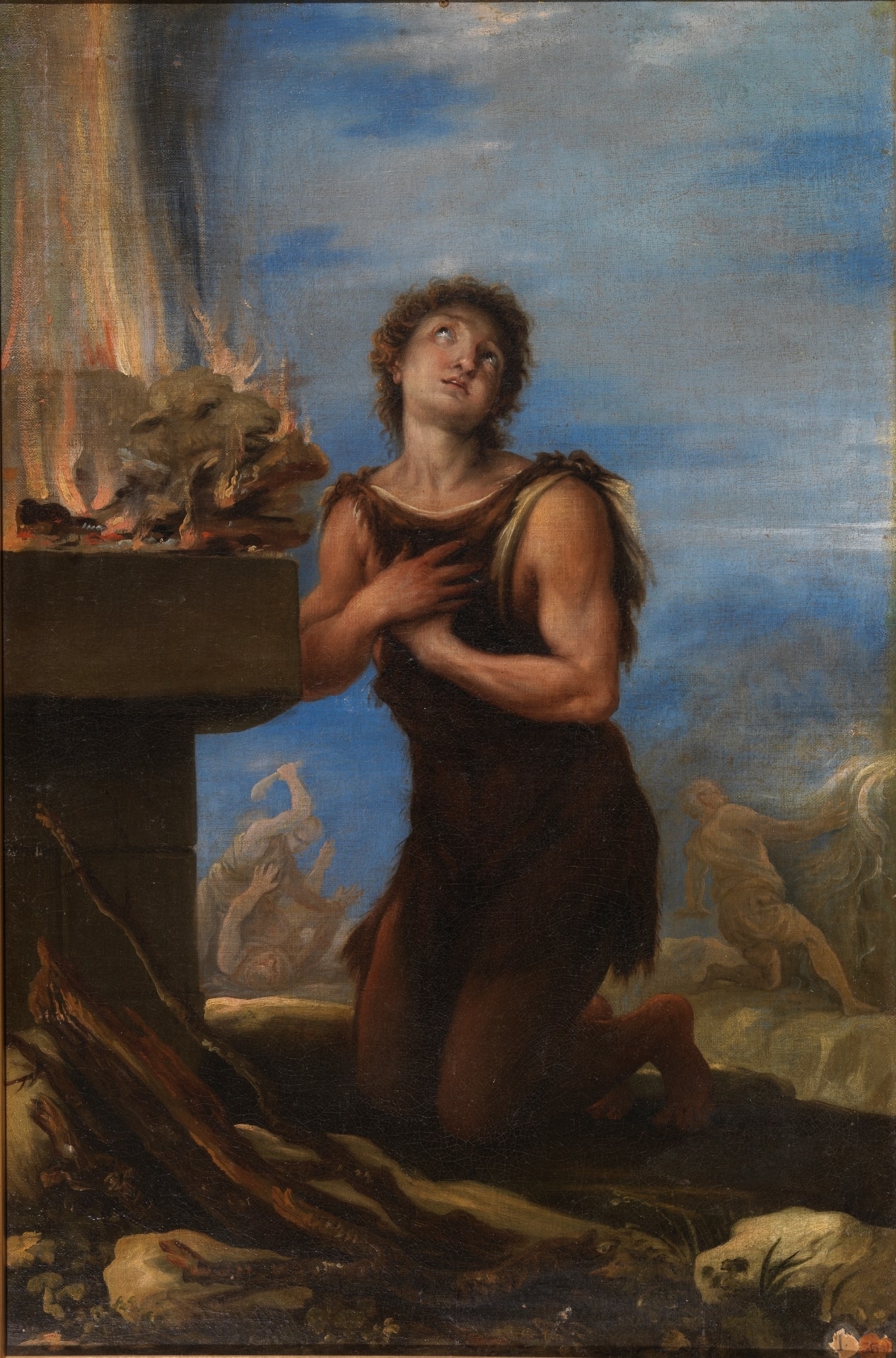
Hébel
Catholic Church, Eastern Orthodox Church, Oriental Orthodox Churches, Jewish Tradition
Lamb, Blood
About Abel
Abel is a significant biblical figure, primarily known from the Book of Genesis in the Abrahamic religions. He is presented as the second son of Adam and Eve, the first humans. Abel's story is one of righteousness, sacrifice, and ultimately, tragic death.
Life and Death
According to the Genesis narrative, Abel was a shepherd who offered the firstborn of his flock to God as a religious offering. God accepted Abel's offering but did not accept the offering of his older brother, Cain. This favoritism, or perceived favoritism, led Cain to become intensely jealous of Abel. The biblical account states that Cain killed Abel, marking the first instance of murder in human history and making Abel the first murder victim.
Interpretations and Legacy
Abel's name in Hebrew, Hébel, is associated with roots meaning 'breath' or 'nothingness,' though etymological discussions also consider Akkadian origins. In Christian tradition, Abel is venerated as the first martyr. Jesus himself referred to Abel as 'righteous' in the Gospel of Matthew. The Epistle to the Hebrews contrasts the blood of Jesus, which brings mercy, with the blood of Abel, which demands vengeance. His sacrifice is invoked in Christian liturgy, such as the Canon of the Mass.
Various extra-biblical texts and traditions offer further interpretations. The Book of Enoch describes Abel's soul as the chief of martyrs crying for vengeance, and the Testament of Abraham portrays him as a judge of souls. Sethian Gnostic traditions present a different lineage, and Mandaean beliefs connect Abel to the angelic figure Hibil Ziwa. Shi'a Muslim tradition holds that Abel, known as Habeel, is buried in the Nabi Habeel Mosque near Damascus, Syria.
Abel's story serves as a foundational narrative in religious and theological discourse, symbolizing innocence, divine acceptance, and the consequences of sin and violence.
Source: Wikipedia ↗
Frequently Asked Questions
Who was Abel in the Bible?
Abel was the second son of Adam and Eve, the first humans created by God. He was a shepherd who presented a religious offering to God.
Why is Abel remembered as the first martyr?
Abel is considered the first martyr because he was murdered by his older brother, Cain, out of jealousy after God accepted Abel's offering but not Cain's. This act marked the first death in biblical history.
What is the significance of Abel's offering?
Abel offered his firstborn flock to God, and it was accepted. This contrasts with his brother Cain's offering, which was not accepted, creating a theological theme of righteous sacrifice.
What do Christian interpretations say about Abel?
In Christianity, Abel is often compared to Jesus, seen as the first martyr whose blood 'speaks better things' than Abel's, interpreted as bringing mercy rather than demanding vengeance. Jesus himself referred to Abel as 'righteous'.
Where are Abel's relics said to be?
According to Shi'a Muslim belief, Abel, referred to as 'Habeel,' is buried in the Nabi Habeel Mosque located in the mountains west of Damascus, Syria.
Related Saints
Edward the Martyr
Edward the Martyr was the King of the English from 975 until his death in 978. He is remembered as a saint and martyr, though his veneration is considered by historians to be undeserved due to his known violent behavior. His brief reign was marked by disputes over monastic lands and ended with his murder.

Olga Nikolaevna
Grand Duchess Olga Nikolaevna was the eldest daughter of the last Russian emperor, Nicholas II, and Empress Alexandra Feodorovna. She is remembered for her compassionate nature, her service as a nurse during World War I, and her subsequent canonization as a passion bearer by the Russian Orthodox Church following her murder after the Russian Revolution. Olga's life was marked by her close family relationships, early marriage speculations, and the tumultuous events leading to the end of the Romanov dynasty.
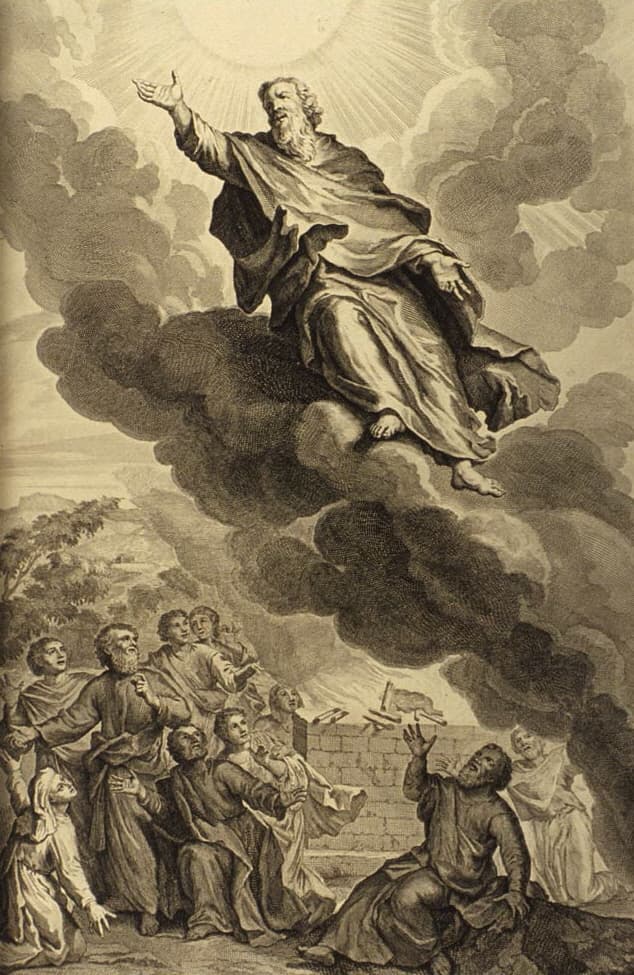
Enoch
Enoch was a biblical patriarch, the seventh from Adam, known for walking with God and being taken to heaven alive. He is a significant figure in Jewish and Christian traditions, often associated with apocalyptic literature and prophetic pronouncements. Enoch is venerated as a saint in several Christian denominations.