
Enoch
Pre-Flood era·Middle East
Enoch was a biblical patriarch, the seventh from Adam, known for walking with God and being taken to heaven alive. He is a significant figure in Jewish and Christian traditions, often associated with apocalyptic literature and prophetic pronouncements. Enoch is venerated as a saint in several Christian denominations.
Key Facts
- ›Enoch was the son of Jared and the father of Methuselah.
- ›Genesis states Enoch lived 365 years before God took him.
- ›He is described as having 'walked with God' and was taken without experiencing death.
- ›Enoch is traditionally credited with authorship of the Book of Enoch.
- ›He is referenced in the New Testament Gospels and Epistles.
- ›Enoch is venerated as a saint in the Catholic Church, Eastern Orthodoxy, and Oriental Orthodoxy.
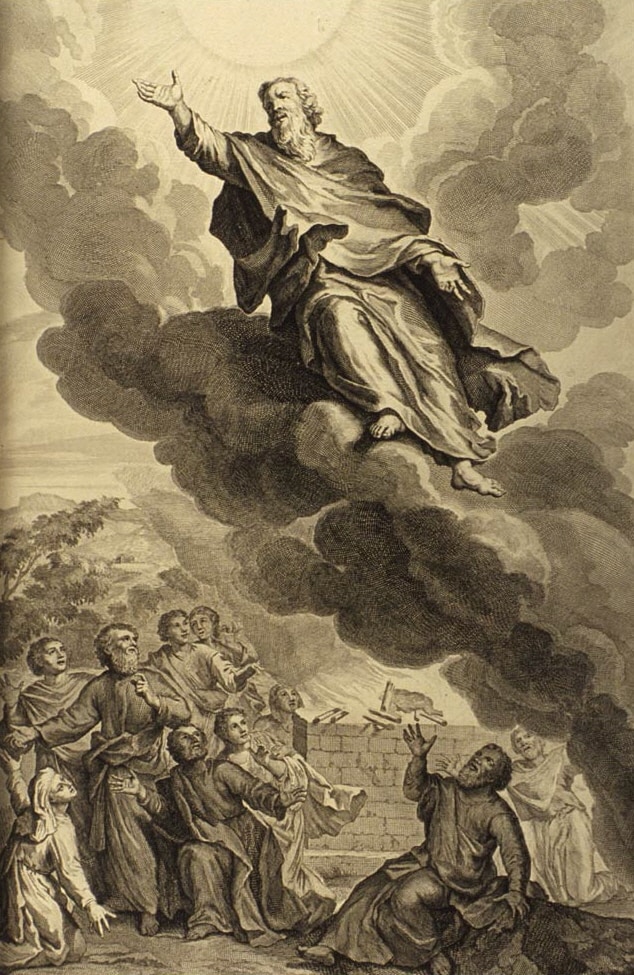
Ḥanōḵ, Henṓkh, The scribe of judgement, Metatron
Repentance
Book, Throne of God
About Enoch
Enoch is a significant biblical figure and patriarch who lived before the Great Flood. He is prominently featured in the Book of Genesis as the seventh in the line of ten pre-Deluge patriarchs, beginning with Adam. The Genesis account states that Enoch lived for 365 years before he was taken by God, famously describing Enoch as one who 'walked with God: and he was no more; for God took him.' This unique description has led to interpretations in various Jewish and Christian traditions that Enoch did not experience death but was translated directly into heaven.
Life and Biblical Account
According to Genesis 5:21-24, Enoch was the son of Jared and the father of Methuselah. His life is marked by the phrase 'walked with God,' a designation also given to Noah, signifying a close relationship and adherence to divine will. Unlike other pre-Flood patriarchs who lived for many centuries and died, Enoch's lifespan of 365 years is notably shorter, ending with his divine removal from the earth. This event occurred 57 years after Adam's death and 69 years before Noah's birth, highlighting his distinct place in the antediluvian narrative.
Traditions and Apocrypha
Enoch is the subject of extensive traditions and is credited with authorship of several apocryphal texts, most notably the Book of Enoch (1 Enoch). This work, preserved in Ge'ez and other languages, details Enoch's celestial journeys, his role as a scribe of judgment, his visions of cosmic secrets, and prophecies concerning the future. Other works attributed to him include 2 Enoch and 3 Enoch, which further elaborate on his heavenly experiences and his identification with the angel Metatron in some mystical traditions. These texts recount his appointment as guardian of celestial treasures and his role as an attendant to the Throne of God.
Influence in Religious Thought
Enoch's significance extends across various religious traditions. In Judaism, he is regarded as a pious man and a great scribe. In Christianity, he is referenced in the New Testament, including the Gospel of Luke, the Epistle to the Hebrews, and the Epistle of Jude, which quotes from the Book of Enoch. The early Church Fathers, such as Justin Martyr and Irenaeus, held the Book of Enoch in high regard, though its acceptance varied over time, eventually becoming primarily limited to the Ethiopian Orthodox Tewahedo Church canon. In Latter Day Saint theology, Enoch is further depicted as the founder of the righteous city of Zion, whose people were also taken from the earth without death due to their piety.
Veneration
In the Catholic Church, Eastern Orthodoxy, and Oriental Orthodoxy, Enoch is venerated as a saint. His unique ascension and prophetic role solidify his status as a righteous figure who pleased God. While no specific liturgical feast day is universally observed, his memory is honored within the traditions of these churches. His journey from a biblical patriarch to a saintly figure underscores his enduring importance in religious history and theology.
Source: Wikipedia ↗
Frequently Asked Questions
Who was Enoch in the Bible?
Enoch was a biblical patriarch, the seventh generation from Adam. The Book of Genesis describes him as a man who 'walked with God' and was taken by God without experiencing death.
What is the Book of Enoch?
The Book of Enoch is a collection of ancient Jewish religious works attributed to Enoch. It includes prophecies, visions of heaven and hell, and accounts of fallen angels. While not part of the canon for most Christian and Jewish traditions, it is highly influential in some.
Why is Enoch venerated as a saint?
Enoch is venerated as a saint in the Catholic Church, Eastern Orthodoxy, and Oriental Orthodoxy due to his unique ascension to heaven and his depiction as a righteous figure who pleased God. His veneration stems from his biblical account as a prophet and patriarch.
What did Enoch do?
According to tradition and apocryphal texts, Enoch preached repentance, received divine revelations, and was given knowledge of heavenly secrets. He is also associated with the founding of a righteous city, Zion, in Latter Day Saint theology.
Did Enoch die?
The Book of Genesis states that Enoch lived 365 years and then 'he was no more; for God took him.' This is interpreted as him being taken to heaven alive, rather than dying a mortal death.
Related Saints
Isaac of Nineveh
Isaac of Nineveh was a 7th-century Syriac Christian bishop and theologian of the Church of the East, best known for his influential writings on Christian asceticism. He is venerated as a saint in several major Christian traditions, including the Church of the East, Roman Catholic, Eastern Orthodox, and Syriac Orthodox churches.
Abel
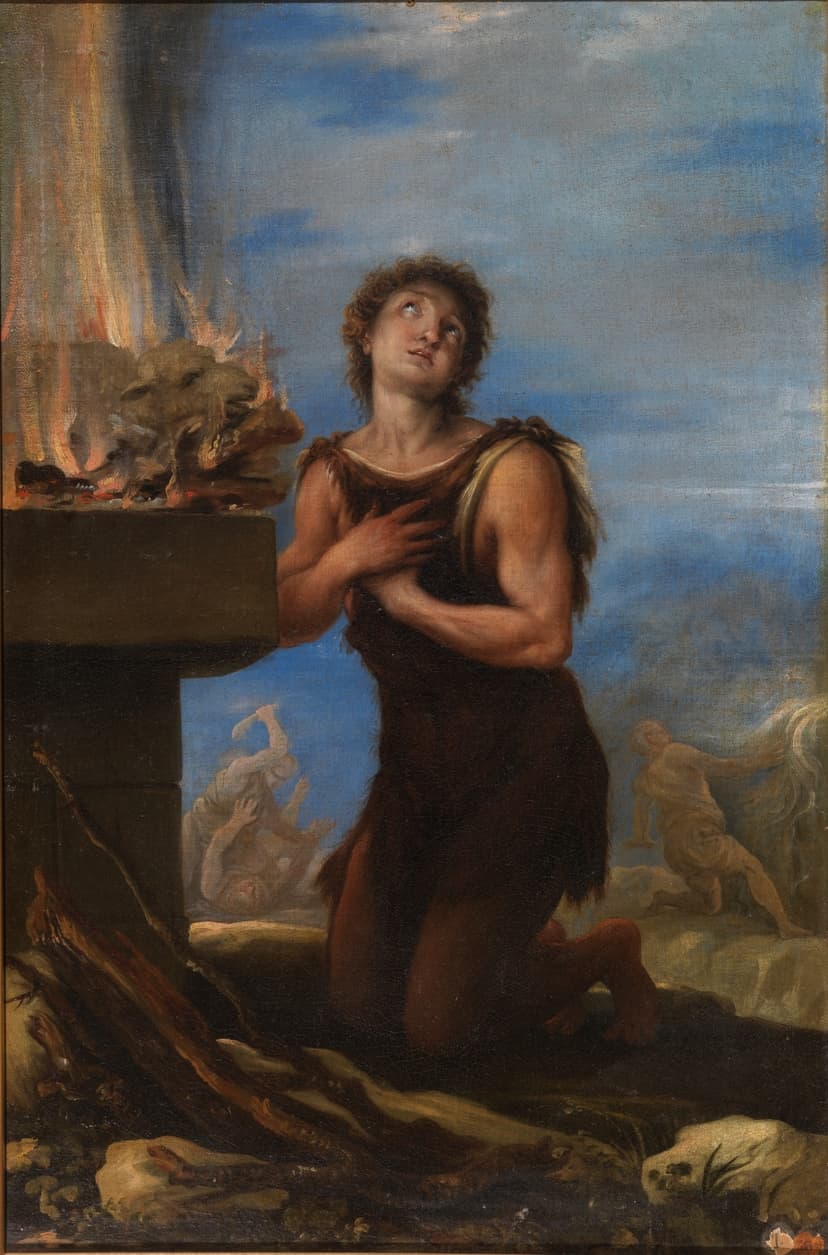
Abel is a biblical figure from the Book of Genesis, the second son of Adam and Eve. He is remembered as a righteous shepherd whose religious offering was accepted by God, unlike his brother Cain's. This led Cain to murder Abel, making him the first victim of death and the first martyr in biblical history.
Gregory Barhebraeus
Gregory Barhebraeus was a prominent Syriac Orthodox Christian scholar, bishop, and maphrian who lived during the tumultuous 13th century. He is remembered for his vast body of work across numerous disciplines, including theology, philosophy, history, and medicine, which revitalized Syriac literature and bridged Eastern and Western intellectual traditions. His chronicle of world events remains his most celebrated work, providing a detailed historical account of his era.