
Caleb
Caleb was a prominent figure in the Hebrew Bible, representing the Tribe of Judah during the Israelites' journey to the Promised Land. He is chiefly remembered for his faith and courage as one of the twelve spies sent into Canaan, advocating for its conquest when others expressed fear. Caleb also received land in Judah and fathered descendants known as the Calebites.
Key Facts
- ›Caleb was a representative of the Tribe of Judah during the Israelites' journey to the Promised Land.
- ›He was one of twelve spies sent by Moses into Canaan to explore the land.
- ›Caleb advocated for conquering Canaan, trusting in God, while ten other spies spread fear.
- ›He was described as a Kenizzite, with his lineage linked to both Judah and potentially Edomite clans.
- ›Caleb received lands in southern Judah and the northern Negev, and his descendants were known as the Calebites.
- ›He is indirectly referenced in the Quran and considered by some scholars to be a prophet.
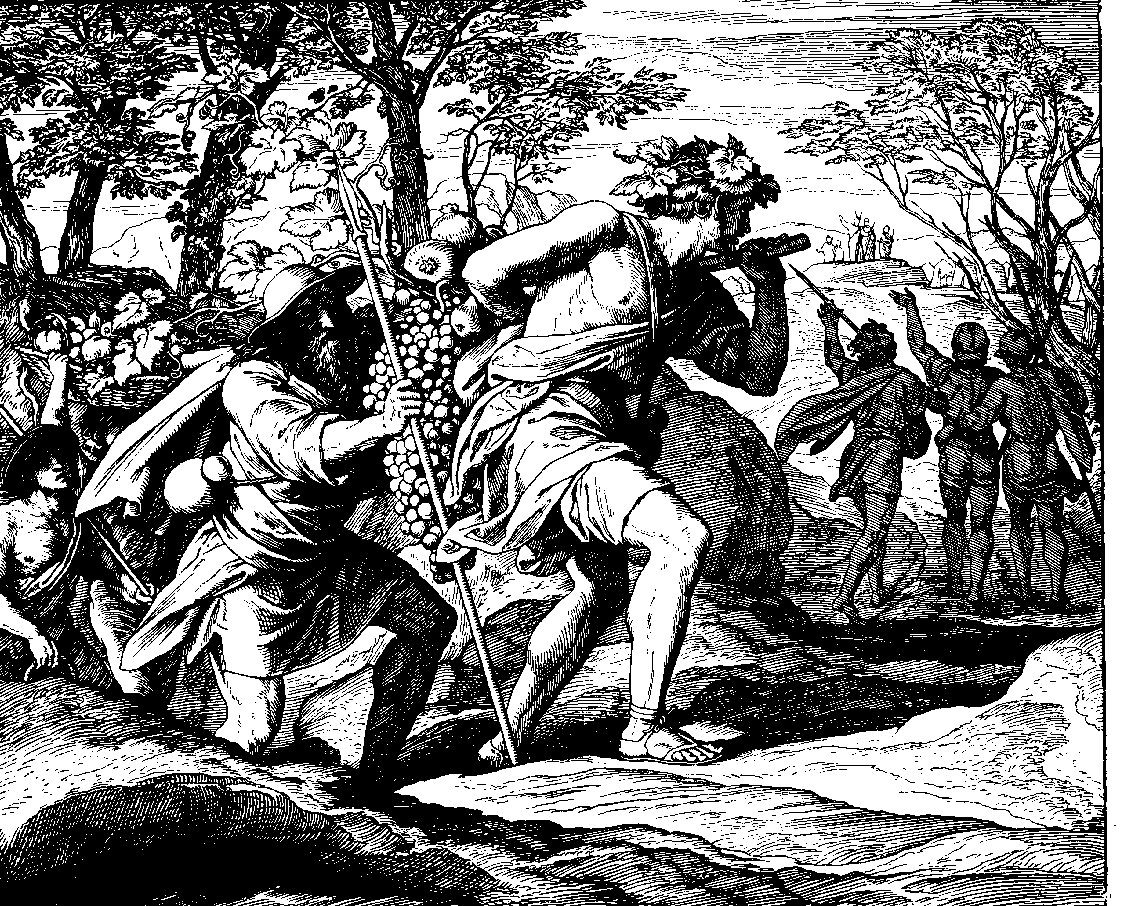
Caleb son of Jephunneh, Kālēḇ (Hebrew), Kalév (Hebrew)
Sword
About Caleb
Caleb is a significant figure in the Hebrew Bible, recognized as a representative of the Tribe of Judah during the Israelites' arduous journey through the wilderness and their eventual conquest of Canaan. His narrative is primarily found in the Books of Numbers and Joshua, where he is consistently portrayed as a man of faith and courage.
Biblical Account
Caleb, identified as the son of Jephunneh, is notably one of the twelve spies sent by Moses to scout the land of Canaan. Over a forty-day period, Caleb and his companions explored the Negev and its surroundings, assessing the land's geography, its inhabitants' strength, agricultural potential, and settlement patterns. Upon their return, while the majority of the spies instilled fear and doubt among the Israelites by emphasizing the land's formidable challenges, Caleb, alongside Joshua, urged the people to trust in God and confidently claim the territory. This act of faithfulness distinguished him from the other ten spies, who were rebelling against Moses and God's command.
Lineage and Land
Caleb's identity is complex, described as a Kenizzite through his father Jephunneh, a nation associated with Canaan at the time of Abraham's covenant. However, he is also firmly placed within the lineage of Judah, with his sons Iru, Elah, and Naam, and grandson Kenaz recorded in the Book of Chronicles. In the aftermath of the conquest, Caleb was granted a portion of land within Judah, specifically requesting a mountainous area, which he received as Hebron. His descendants, known as the Calebites, settled in southern Judah and the northern Negev, suggesting a continuation of his influence and presence in the region.
Traditional Accounts and Islamic Reference
Traditional Jewish sources elaborate on Caleb's biblical account, depicting him as fiercely devoted to God and Moses, even to the point of confronting the other spies to bring back samples of the land's produce. Some traditions identify him with Mered and his wife with Bithiah, the princess who rescued Moses from the Nile. In Islam, Caleb (known as Kālib ibn Yūfannā) is indirectly referenced in the Quran, and some scholars believe him to be one of the Prophets of Islam, alongside Joshua (Yusha ibn Nun), who feared to disobey Allah.
Legacy
Caleb's legacy is one of unwavering faith, courage, and loyalty to God's promises. His role as a dissenting voice among the fearful spies and his subsequent inheritance of land underscore his importance in the Israelite narrative. He stands as a testament to the rewards of trusting in divine guidance, even in the face of overwhelming opposition.
Source: Wikipedia ↗
Frequently Asked Questions
Who was Caleb in the Bible?
Caleb was a prominent figure in the Hebrew Bible, representing the Tribe of Judah during the Israelites' journey to the Promised Land. He is known for his faith and courage as one of the twelve spies sent into Canaan.
What was Caleb's role as one of the spies?
Caleb was one of twelve spies sent by Moses to explore Canaan. While the other ten spies reported fear and doubt about conquering the land, Caleb encouraged the Israelites to trust God and possess it, believing they were well able to overcome the challenges.
What is Caleb's lineage?
Caleb is identified as the son of Jephunneh and a member of the tribe of Judah. His lineage is also described as Kenizzite, with connections to both Judah and potentially Edomite clans.
What lands did Caleb receive?
Following the Israelite conquest of Canaan, Caleb asked Joshua for a mountain in property within the land of Judah, and was given Hebron. His descendants, known as the Calebites, resided in southern Judah and the northern Negev.
Is Caleb mentioned in other religious texts?
Yes, Caleb is indirectly referenced in the Quran. Some scholars consider him to be one of the Prophets of Islam, though this is a subject of debate.
Related Saints
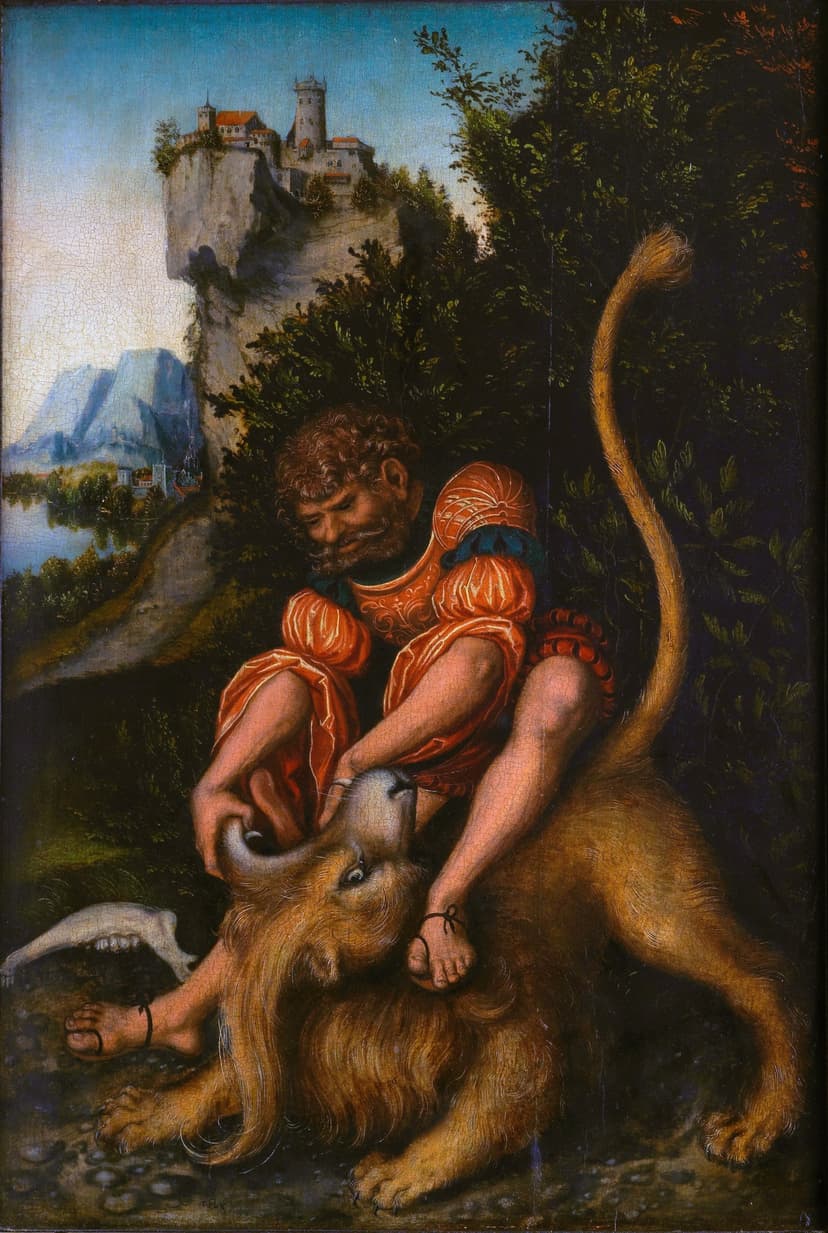
Samson
Samson was the last of the judges of ancient Israel, renowned for his extraordinary strength granted by God as a Nazirite. He is chiefly remembered for his epic battles against the Philistines, his betrayal by Delilah, and his final act of collapsing a Philistine temple, killing himself and his enemies. His story highlights themes of divine power, betrayal, and sacrifice.
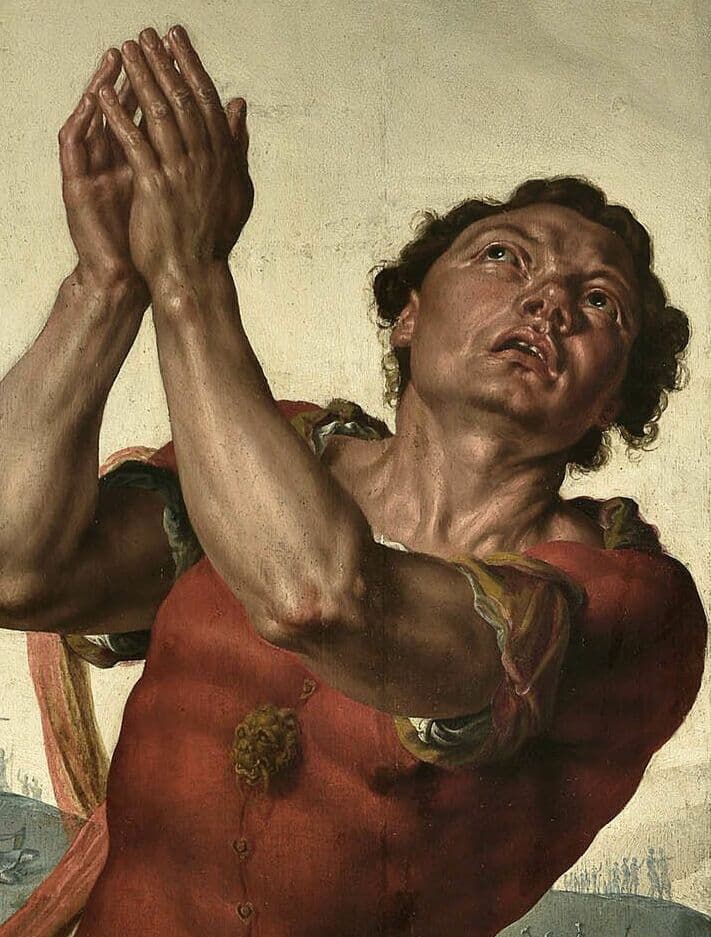
Gideon
Gideon, also known as Jerubbaal, was an Israelite judge and military leader celebrated in the Hebrew Bible for his decisive victory over the Midianites. Despite leading a vastly outnumbered force of 300 men, he achieved victory through divine guidance and strategic brilliance, becoming a symbol of faith and courage against overwhelming odds. He is remembered for his calling, his miraculous signs, and his refusal of kingship, emphasizing God's sole rule over Israel.
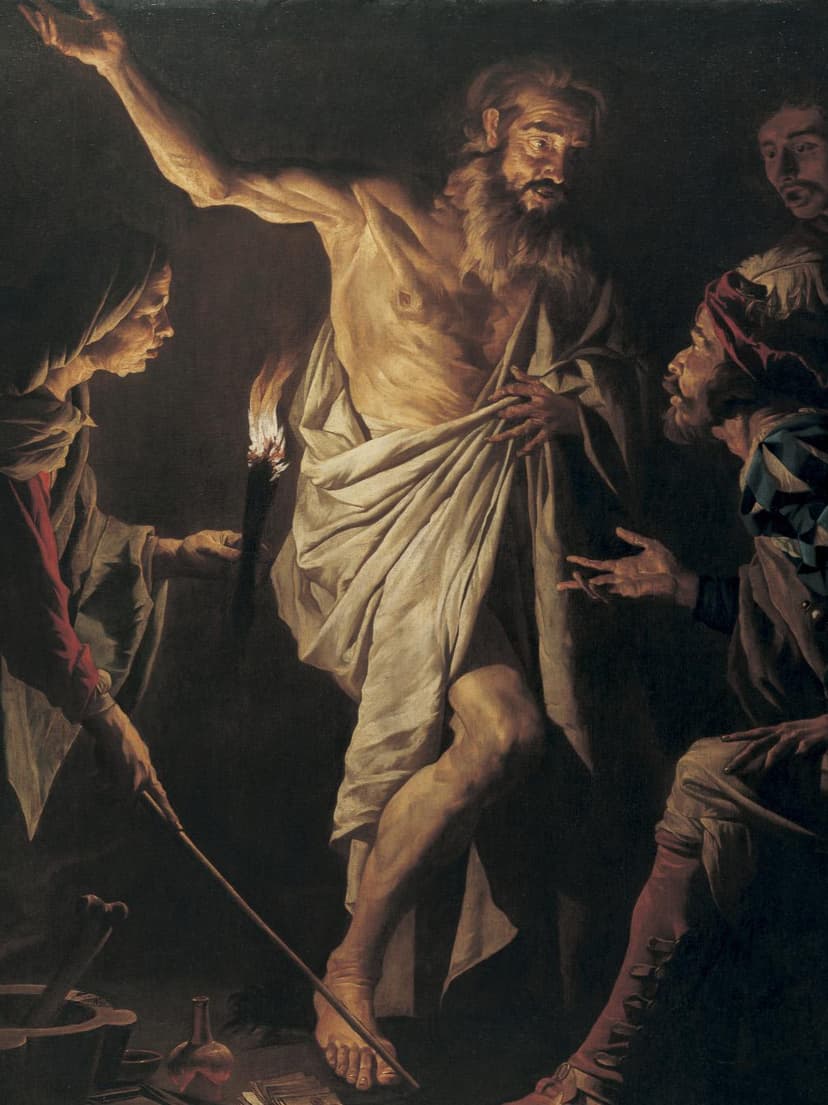
Samuel
Samuel was a pivotal figure in ancient Israel, venerated as a prophet, judge, and seer across Judaism, Christianity, and Islam. He is chiefly remembered for his role in the transition from the biblical judges to the Israelite monarchy, anointing both Saul and David as kings. His life and prophecies marked a significant spiritual and political turning point for the Israelites.