
Gideon
September 26·1st millennium BCE·Canaan
Gideon, also known as Jerubbaal, was an Israelite judge and military leader celebrated in the Hebrew Bible for his decisive victory over the Midianites. Despite leading a vastly outnumbered force of 300 men, he achieved victory through divine guidance and strategic brilliance, becoming a symbol of faith and courage against overwhelming odds. He is remembered for his calling, his miraculous signs, and his refusal of kingship, emphasizing God's sole rule over Israel.
Key Facts
- ›Gideon was an Israelite shopeṭ (judge) and military leader whose story is found in Judges 6-8 of the Hebrew Bible.
- ›He was called by God through an angelic messenger to free the Israelites from Midianite oppression.
- ›Gideon famously won a victory against the Midianites with only 300 men, chosen by God for their unique method of drinking water.
- ›He destroyed the altar to Baal and the Asherah pole in his town, earning the name Jerubbaal, meaning 'Let Baal contend with him'.
- ›Gideon refused offers of kingship from the Israelites, stating that God alone was their ruler.
- ›He had seventy sons and a concubine who bore him a son named Abimelech.
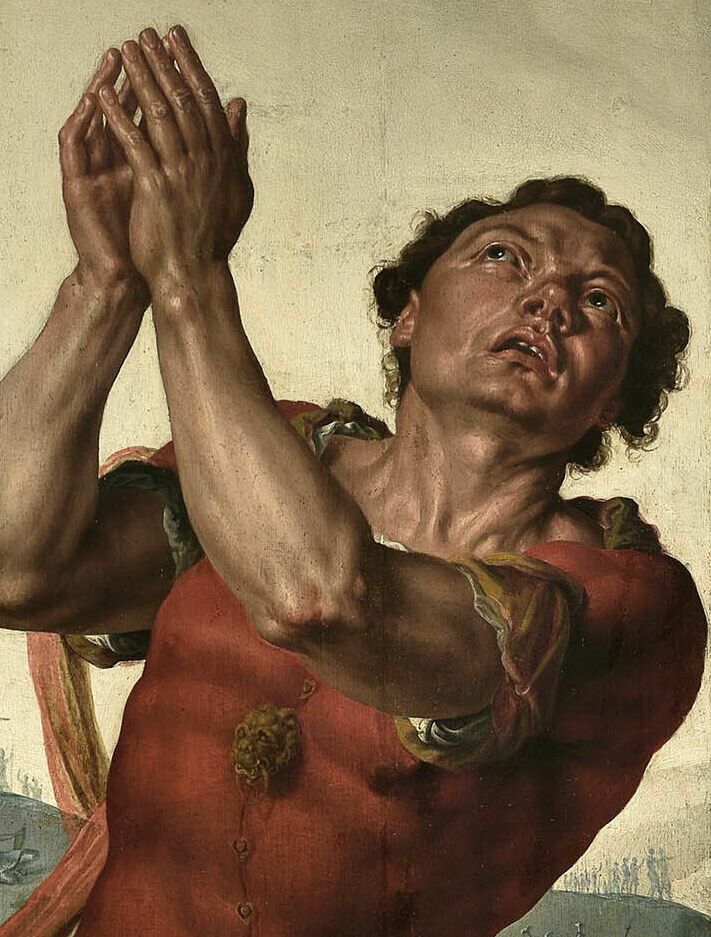
Jerubbaal, Jerubbesheth
Pitcher, Torch, Shofar
About Gideon
Gideon, also known by the names Jerubbaal and Jerubbesheth, was a pivotal figure in the Hebrew Bible, serving as an Israelite judge, military leader, and prophet. His story, primarily detailed in Judges 6–8, recounts his divine calling to liberate the Israelites from the oppression of the Midianites, Amalekites, and Kedemites, who had harried them for seven years. Gideon's leadership is marked by his faith, his reliance on divine guidance, and his remarkable victory against overwhelming odds.
Calling and Miraculous Signs
The narrative begins with Gideon, a humble man from the tribe of Manasseh, being chosen by God through an angelic messenger. To confirm God's will and his own calling, Gideon requested and received several miraculous signs. These included fire consuming his offering and, most famously, two successive nights where a fleece was covered in dew while the surrounding ground remained dry, and then the fleece was dry while the ground was covered in dew. Following God's instructions, Gideon then destroyed the local altar to Baal and its accompanying Asherah pole, earning him the name Jerubbaal.
The Battle of Gideon
Gideon was tasked with leading an army against the vast forces of the Midianites. God, however, informed Gideon that the men he had gathered were too many, as any victory might be attributed to human strength rather than divine power. In a series of divine instructions, the army was reduced first to 22,000 men and then to a select 300. These 300 men, chosen for their unique method of drinking water, were armed with shofars (rams' horns) and clay jars containing torches hidden within. In a strategic night attack, they blew their trumpets, shouted their battle cries, and revealed their torches, creating the illusion of a massive invading force. The Midianite army was thrown into confusion and fled, leading to Gideon's decisive victory.
Leadership and Refusal of Kingship
Following his triumph, the Israelites offered Gideon the opportunity to become their king and establish a dynasty. Gideon, however, refused this offer, asserting that only God was their sovereign ruler. He did, however, collect gold from the spoils of war to fashion an ephod, which, according to rabbinic commentary, later became an object of idolatry after his death. Gideon fathered seventy sons from his wives and a son named Abimelech from a concubine. His leadership brought forty years of peace to Israel.
Legacy and Veneration
Gideon's life and exploits have had a lasting impact. He is cited in the New Testament's Epistle to the Hebrews as an exemplar of faith, highlighting his subduing of kingdoms and his strength in battle. He is venerated as a saint in the Eastern Orthodox, Catholic, and Armenian Apostolic Churches. The military success of a small, elite force against overwhelming odds has also made Gideon a symbol in military history and culture, with the phrase 'putting out a fleece' originating from his requests for divine signs. The organization The Gideons International, known for distributing Bibles, takes its name from him, aspiring to emulate his faith and obedience.
Source: Wikipedia ↗
Frequently Asked Questions
What is Gideon best known for?
Gideon is primarily known for his miraculous victory over the Midianites with a vastly outnumbered army of 300 men, as recounted in the Book of Judges. He is also recognized for his calling by God and his role as a judge of Israel.
What does the name Jerubbaal mean?
The name Jerubbaal, given to Gideon, is interpreted in the Bible as 'Let Baal contend with him' because he destroyed his father's altar to Baal. Other scholars suggest it may mean 'Baal will contend' or 'Let Baal be great'.
How did Gideon choose his soldiers?
God instructed Gideon to reduce his army, first by sending home those who were afraid, leaving 10,000. Then, by observing how they drank water, God selected only the 300 men who lapped water from their hands like dogs, distinguishing them from those who knelt.
Did Gideon become king of Israel?
No, Gideon refused the offer to become king of Israel. He told the Israelites that only God was their ruler and founder of their dynasty, emphasizing divine sovereignty.
What is the origin of the phrase 'putting out a fleece'?
The phrase 'putting out a fleece' originates from Gideon's request for signs from God, specifically involving a fleece that would be wet with dew while the ground was dry, and then dry while the ground was wet. It refers to seeking a sign from God before undertaking an action.
How is Gideon remembered in Christian tradition?
Gideon is regarded as a saint in the Eastern Orthodox and Catholic Churches, and is commemorated in the New Testament's Epistle to the Hebrews as a hero of faith. He is also honored on the Sunday before Christmas and by the Armenian Apostolic Church.
Related Saints
Caleb
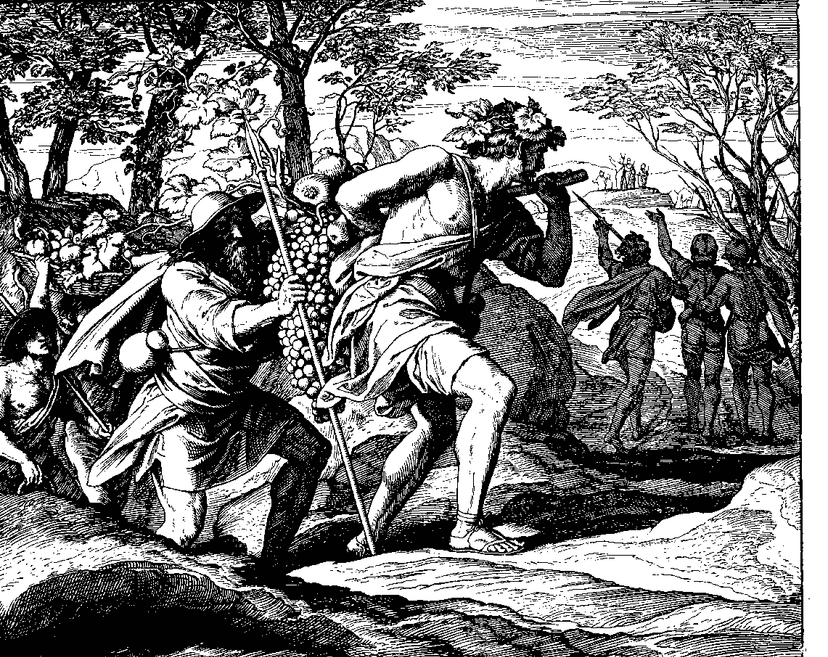
Caleb was a prominent figure in the Hebrew Bible, representing the Tribe of Judah during the Israelites' journey to the Promised Land. He is chiefly remembered for his faith and courage as one of the twelve spies sent into Canaan, advocating for its conquest when others expressed fear. Caleb also received land in Judah and fathered descendants known as the Calebites.

Aaron
Aaron was an Israelite prophet and the first High Priest, elder brother to Moses. He served as Moses' spokesman to the Pharaoh during the Exodus and was divinely appointed as the progenitor of the Israelite priesthood. Aaron is remembered for his role in establishing the Levitical priesthood and for his interactions with Moses during the Israelites' journey in the wilderness.
Miriam
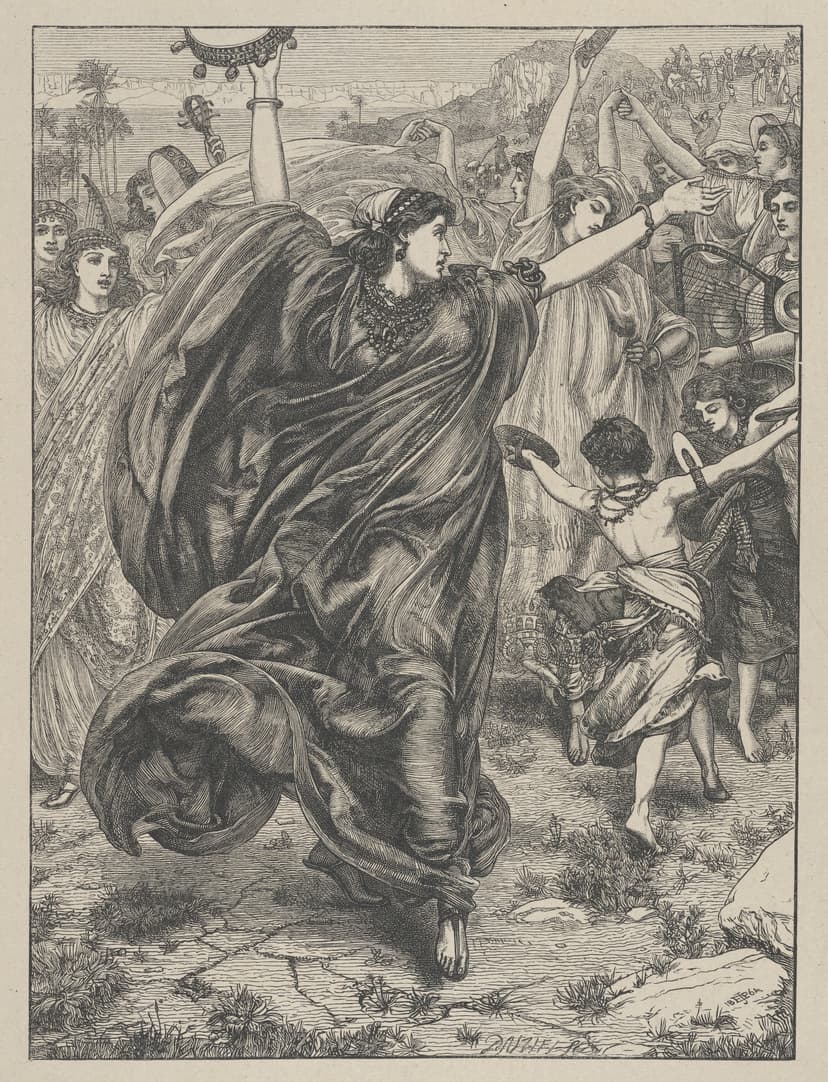
Miriam was an ancient Israelite prophetess, sister to Moses and Aaron, and a key figure in the Exodus from Egypt. She is remembered for her role in leading the Israelites, particularly the women, and for her prophetic gifts. Her story highlights themes of divine authority, divine punishment, and enduring tradition.