
Solomon
Solomon was an ancient Israelite king, successor to his father David, reigning from approximately 970 to 931 BCE. He is celebrated in biblical narrative for immense wisdom, the construction of the First Temple in Jerusalem, and a reign of commercial prosperity. However, his accumulation of wealth and foreign wives who introduced idolatry led to divine punishment, resulting in the division of the kingdom after his death.
Key Facts
- ›Solomon was a king of ancient Israel, reigning from C. 970–931 BCE.
- ›He is credited in the Bible with building the First Temple in Jerusalem.
- ›He is renowned in tradition for his great wisdom, famously demonstrated in the 'Judgement of Solomon'.
- ›Solomon is traditionally considered the author of Proverbs, Ecclesiastes, and Song of Songs.
- ›His reign brought commercial prosperity through alliances and trade.
- ›The accumulation of wealth and foreign wives led to divine punishment and the division of the kingdom after his death.
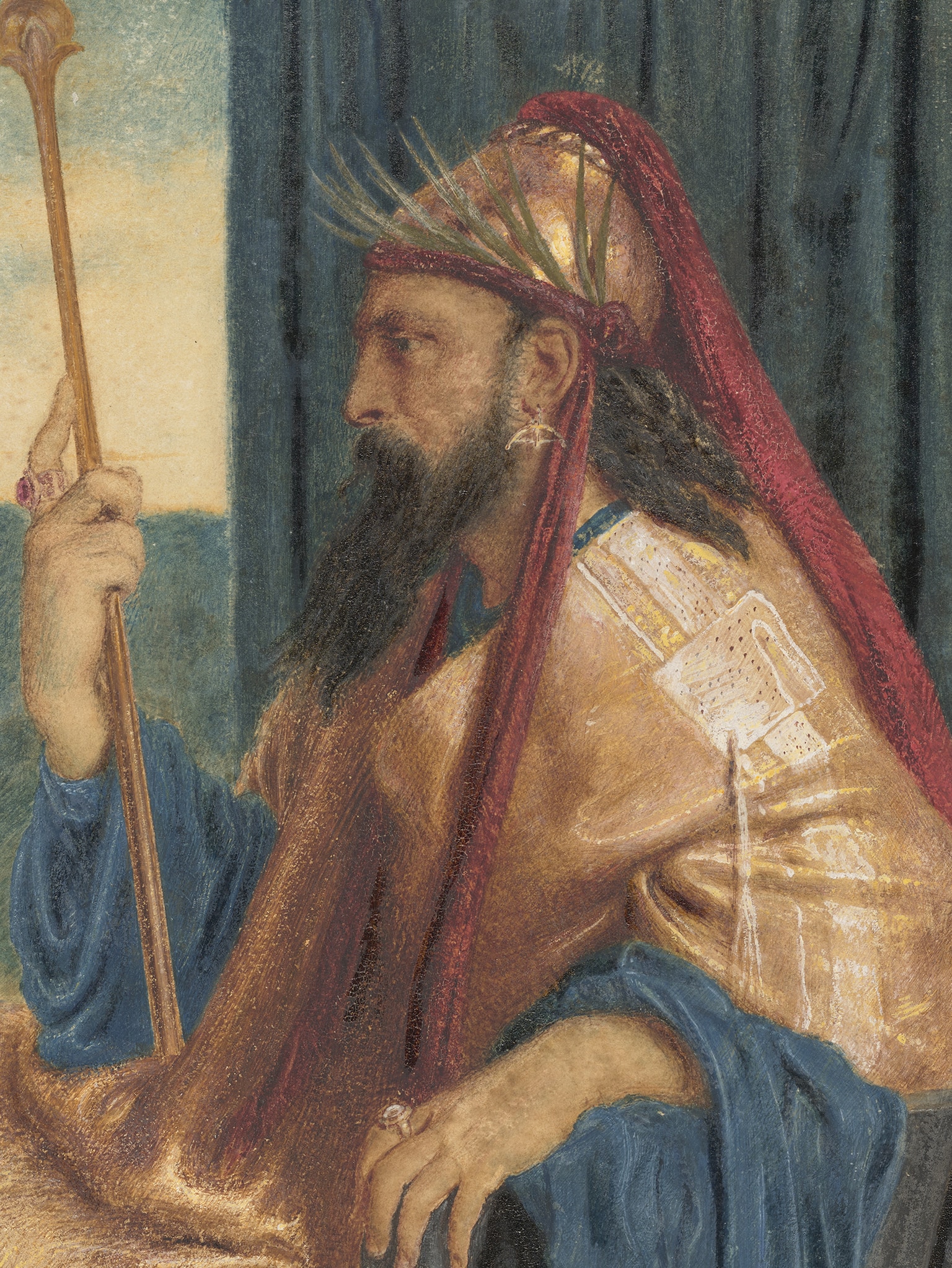
Jedidiah
Temple, Throne, Scales of Justice
About Solomon
Solomon, also known by the name Jedidiah, was a pivotal king in ancient Israel, whose reign is traditionally dated from approximately 970 to 931 BCE. As the successor to his father, King David, Solomon is depicted in the Hebrew Bible as the last ruler of a unified Israel and Judah, presiding over a period of significant commercial prosperity and grandeur. His legacy is deeply intertwined with his legendary wisdom, the construction of the First Temple in Jerusalem, and his traditional authorship of several biblical books.
Life and Historical Context
Born in Jerusalem to David and Bathsheba, Solomon's birth followed a period of divine judgment upon David's prior sinful relationship with Bathsheba. His name, meaning 'peaceful,' was seen as predictive of his reign. Ascending the throne likely around fifteen years old, he consolidated his power through administrative appointments and the expansion of his military, particularly his cavalry and chariot forces. His administration focused on trade relationships, notably with Hiram I of Tyre, facilitating expeditions for luxury goods.
Solomon's most celebrated attribute was his wisdom, a gift granted by God in response to Solomon's selfless request for understanding to govern his people. The biblical narrative recounts his famous 'Judgement of Solomon,' a testament to his discerning intellect. He is traditionally credited with composing three of the Bible's wisdom books: Proverbs, Ecclesiastes, and Song of Songs.
Construction and Wealth
During Solomon's forty-year reign, the Kingdom of Israel is described as reaching its zenith of splendor and wealth. He oversaw the monumental construction of the First Temple in Jerusalem, a permanent home for the Ark of the Covenant, as well as an elaborate royal palace complex and fortifications for the city. He also rebuilt and strengthened cities like Hazor, Megiddo, and Gezer, and established ports and trading outposts. Despite these biblical accounts, archaeological evidence for such monumental architecture from Solomon's era remains scarce.
Wives, Idolatry, and Punishment
The biblical account details Solomon's extensive household of 700 wives and 300 concubines, many of whom were foreign princesses. His marriage to Pharaoh's daughter cemented a political alliance with Egypt. However, the narrative disapproves of Solomon allowing his foreign wives to build temples to their own deities, leading to his apparent turn towards idolatry. This deviation from monotheism, alongside his accumulation of wealth and horses contrary to Deuteronomic law, incurred divine anger. According to the biblical narrative, God promised to tear the kingdom from Solomon's house, to be executed after his death.
Enemies and Succession
Near the end of his life, Solomon faced opposition from figures like Hadad of Edom and Rezon of Zobah, as well as his own official Jeroboam. Upon Solomon's death from natural causes, his son Rehoboam succeeded him. However, Rehoboam's harsh policies led ten of the northern tribes to reject his rule, establishing the Northern Kingdom of Israel under Jeroboam and splitting the united monarchy.
Religious and Cultural Significance
Solomon is revered not only in Judaism but also in Christianity and Islam. In Christianity, he is seen as a teacher of wisdom, rhetorically compared to Jesus. In Islam, he is considered a major prophet, known for his wisdom and control over jinn. Legends and apocryphal texts, such as the Testament of Solomon, further elaborate on his mystical and magical prowess, portraying him as a magician and exorcist.
Source: Wikipedia ↗
Frequently Asked Questions
When did King Solomon reign?
According to conventional biblical chronology, Solomon's reign is hypothesized to have lasted from approximately 970 to 931 BCE. He was the successor to his father, King David.
What is Solomon most famous for?
Solomon is most famous for his legendary wisdom, demonstrated in stories like the 'Judgement of Solomon.' He is also credited with building the First Temple in Jerusalem and is traditionally regarded as the author of Proverbs, Ecclesiastes, and Song of Songs.
What was the outcome of Solomon's reign?
While Solomon's reign brought commercial prosperity and grandeur to ancient Israel, his accumulation of wealth, vast number of foreign wives, and their introduction of idolatry led to divine punishment. After his death, the kingdom split into the Northern Kingdom of Israel and the Southern Kingdom of Judah.
What is the historicity of Solomon?
The historicity of Solomon is a subject of significant debate among scholars. While many allow for the possibility of a historical Solomon, the biblical descriptions of his opulent empire are widely considered to be an anachronistic exaggeration.
How is Solomon viewed in other religions?
Solomon is revered in Christianity and Islam. In the New Testament, he is presented as a teacher of wisdom. In the Quran, he is considered a major Islamic prophet, also known for his wisdom and dominion over jinn.
Related Saints
David
David, the second king of the united Kingdom of Israel, is a pivotal figure in Jewish and Christian scripture, renowned as a shepherd, warrior, musician, and ancestor of the Messiah. He is remembered for his legendary defeat of Goliath, his reign over a unified Israel, and his complex personal life, which included both profound devotion and significant moral failings.
Shemaiah
Shemaiah was a prophet in the reign of King Rehoboam of Judah. He is chiefly remembered for his divine intervention that prevented a civil war between the northern tribes of Israel and the southern tribes of Judah and Benjamin. His prophecy also foretold Rehoboam's punishment by the king of Egypt.
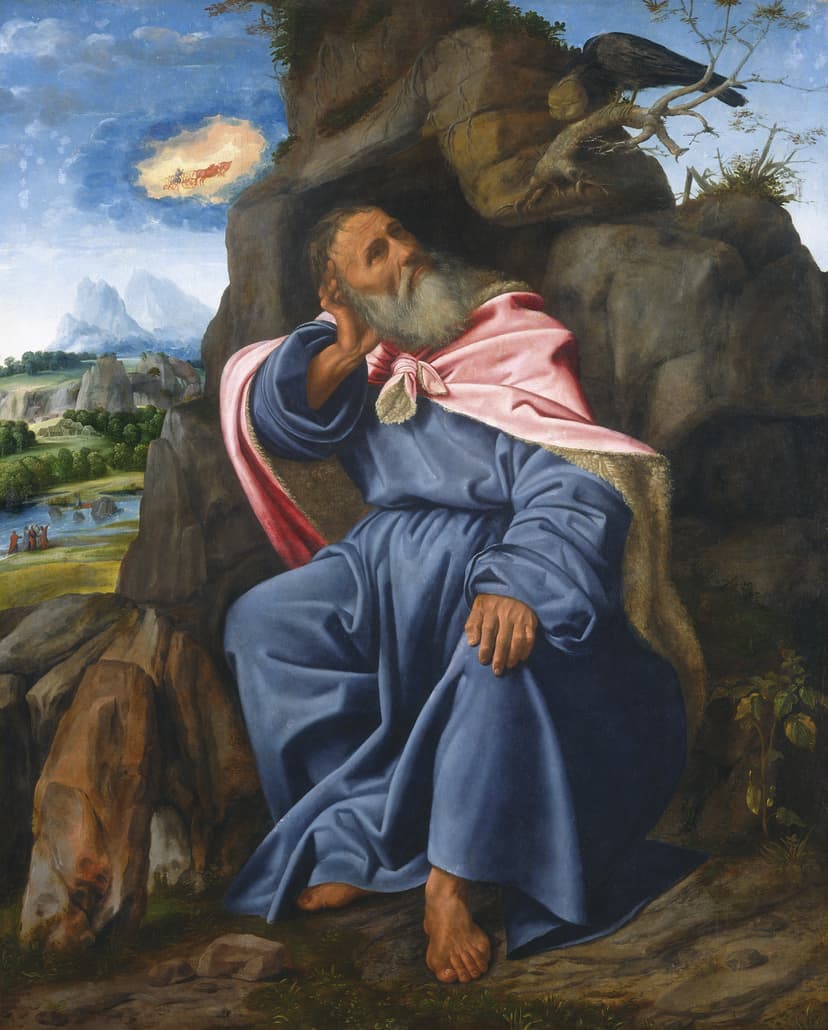
Elijah
Elijah was a prophet and miracle worker in the northern Kingdom of Israel during the 9th century BC. He is chiefly remembered for his defense of the worship of Yahweh against the Canaanite deity Baal and for his dramatic ascension to heaven. His return is prophesied to herald the coming of the Messiah.