
Elijah
Elijah was a prophet and miracle worker in the northern Kingdom of Israel during the 9th century BC. He is chiefly remembered for his defense of the worship of Yahweh against the Canaanite deity Baal and for his dramatic ascension to heaven. His return is prophesied to herald the coming of the Messiah.
Key Facts
- ›Elijah was a prophet in the northern Kingdom of Israel during the reign of King Ahab.
- ›He defended the worship of Yahweh over Baal and performed numerous miracles.
- ›Elijah raised the dead, brought fire from the sky, and ascended to heaven alive.
- ›He is prophesied to return before the day of the Lord.
- ›Scholars generally agree a historical Elijah existed, but biblical accounts are considered legendary.
- ›His name means 'my God is Yahweh'.
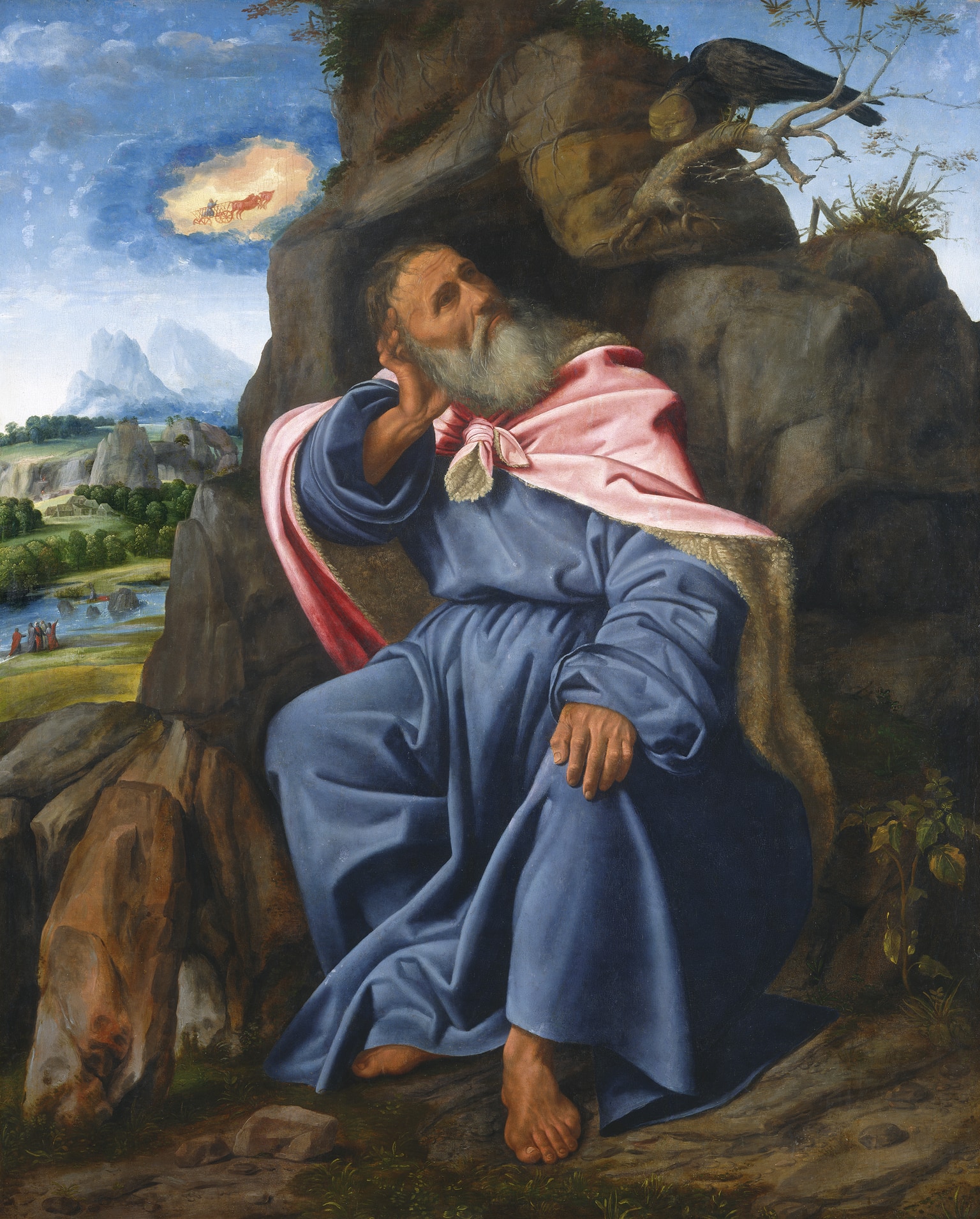
Elijah the Tishbite, ʾĒlīyyāhu, ʾĒlīyyā
Bosnia and Herzegovina
Chariot of Fire, Mantle, Ravens
About Elijah
Elijah was a prominent prophet and miracle worker who lived in the northern Kingdom of Israel during the 9th century BC, primarily during the reign of King Ahab. His name, Hebrew: אֵלִיָּהוּ (ʾĒlīyyāhu), means 'My God is Yahweh/YHWH,' reflecting his central role in defending the worship of the Israelite deity against the Canaanite god Baal.
Life and Ministry
According to the Books of Kings in the Hebrew Bible, Elijah confronted King Ahab and Queen Jezebel for their promotion of Baal worship. A pivotal event was his challenge on Mount Carmel, where he called down fire from heaven to consume his sacrifice after the prophets of Baal failed. This demonstration led to the people declaring Yahweh as God and the subsequent slaughter of the Baal prophets. Elijah also performed miracles such as raising the widow of Zarephath's son from the dead and predicting and ending a severe drought.
Elijah's ministry was marked by his unwavering zeal for Yahweh and his condemnation of Israel's religious and moral failings. He faced persecution from Jezebel and, after a period of fleeing and receiving divine sustenance, was taken up to heaven in a whirlwind, with his disciple Elisha succeeding him as prophet.
Significance and Legacy
Elijah's dramatic departure and the prophecy of his return before the 'great and terrible day of the LORD' have made him a significant eschatological figure. He is revered in Judaism, where his name is invoked in various rituals, and in Christianity, where he appeared with Moses at the Transfiguration of Jesus and is considered a precursor to the Messiah. In Islam, Elijah is recognized as a prophet.
Scholars generally accept the existence of a historical Elijah, though the biblical accounts are often viewed as legendary and theologically shaped narratives. His story continues to inspire devotion and expectation of divine intervention and future redemption.
Source: Wikipedia ↗
Frequently Asked Questions
Who was Elijah?
Elijah was a prophet and miracle worker who lived in the northern Kingdom of Israel during the 9th century BC. He is known for his defense of Yahweh worship and his dramatic ascension to heaven.
What is Elijah remembered for?
He is chiefly remembered for challenging the worship of the Canaanite deity Baal and for performing many miracles, including bringing fire from the sky and raising the dead. His return is prophesied to precede the coming of the Messiah.
What are some of Elijah's miracles?
According to the Books of Kings, Elijah performed miracles such as restoring the widow of Zarephath's son to life, calling fire down from heaven to consume his sacrifice on Mount Carmel, and stopping the rain for three years.
What is Elijah's significance in Judaism?
In Judaism, Elijah is a significant figure whose name is invoked in various customs, including the Passover Seder and weekly Havdalah. He is also associated with the brit milah ceremony, where a chair is set aside for him.
What is Elijah's role in Christianity and Islam?
In Christianity, Elijah appeared with Moses during the Transfiguration of Jesus and is seen as a precursor to the Messiah. In Islam, he is recognized as a prophet and messenger of God, with his narrative recounted in the Quran.
Is there historical evidence for Elijah?
Scholars generally agree that a historical prophet named Elijah existed in ancient Israel. However, the biblical accounts of his life are considered by many to be more legendary and theologically reflective than strictly historical.
Related Saints
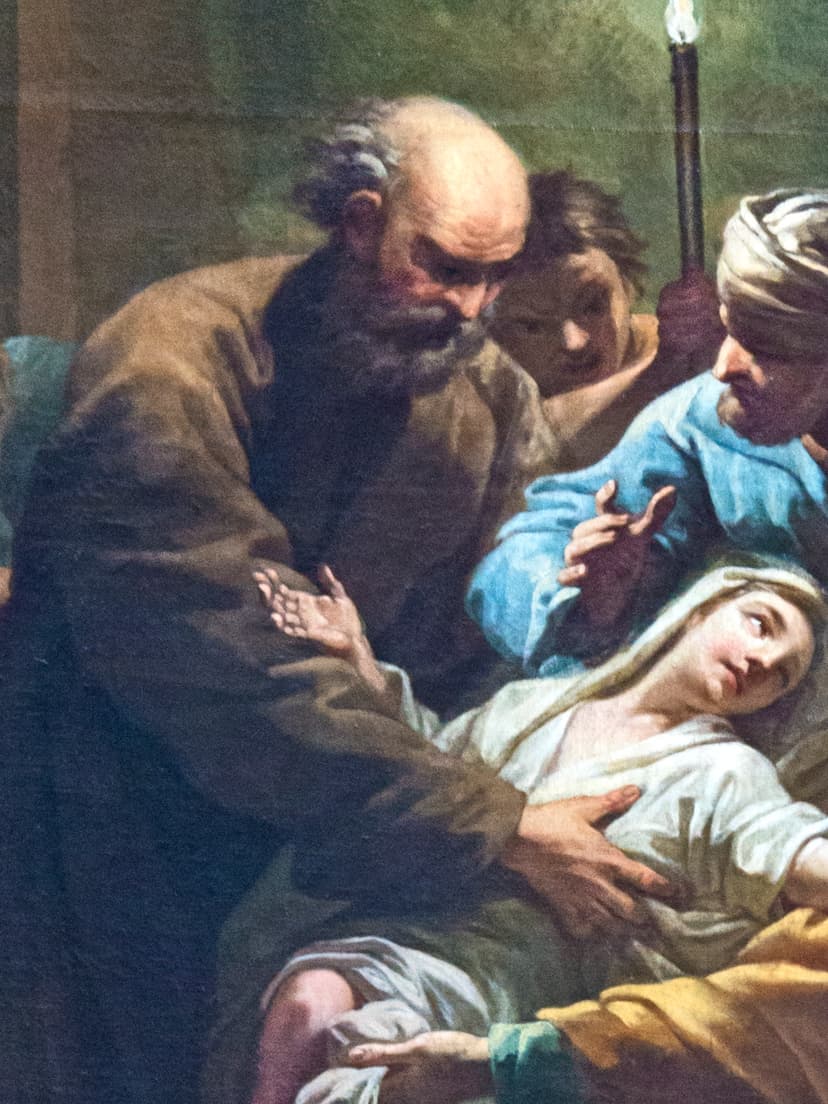
Elisha
Elisha was an Israelite prophet and wonder-worker in the Hebrew Bible, known for his prophetic ministry and numerous miracles. He succeeded Elijah as a spiritual leader, receiving a "double portion" of Elijah's spirit and performing twice as many miracles. Elisha is venerated as a prophet in Judaism, Christianity, and Islam, and is remembered for his counsel to kings and his interventions in times of drought and famine.
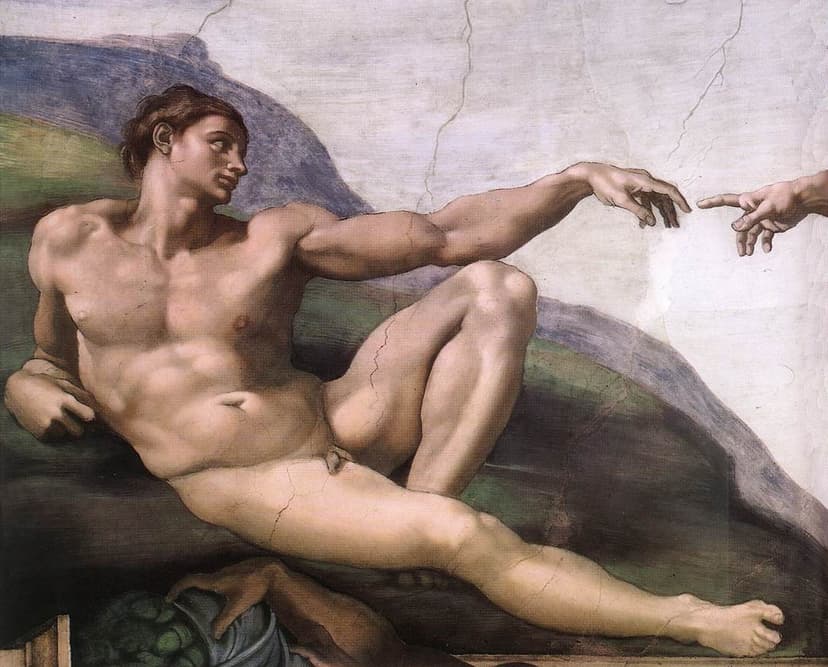
Adam
Adam is the first human being, created by God according to the Book of Genesis and revered in Judaism, Christianity, Islam, and other belief systems. He is remembered for his creation from dust, his sin in the Garden of Eden by eating forbidden fruit, and his subsequent expulsion, which introduced death and sin into the world. His story serves as a foundational narrative for understanding humanity's relationship with God, the origins of sin, and the concept of redemption.
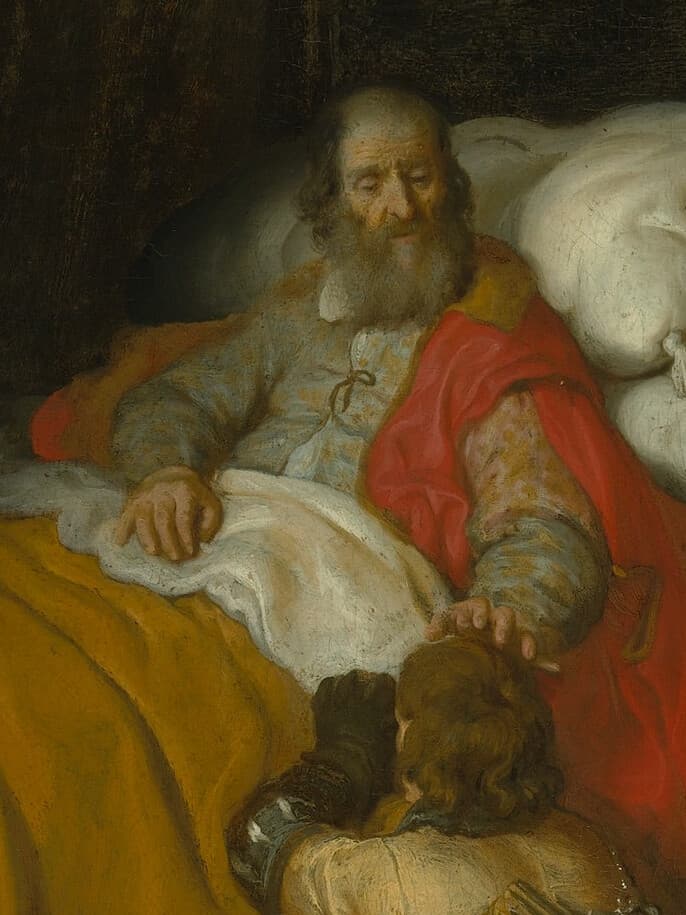
Isaac
Isaac is a central patriarchal figure in Judaism, Christianity, and Islam, revered as the son of Abraham and Sarah and the father of Jacob. He is chiefly remembered for his near-sacrifice by his father, an event seen as a supreme test of faith and a prefiguration of Christ's sacrifice in Christian tradition. Isaac's name, meaning "he will laugh," reflects the disbelief and subsequent joy of his elderly parents upon learning of his promised birth.