
Elisha
June 14·9th century BC·Israel
Elisha was an Israelite prophet and wonder-worker in the Hebrew Bible, known for his prophetic ministry and numerous miracles. He succeeded Elijah as a spiritual leader, receiving a "double portion" of Elijah's spirit and performing twice as many miracles. Elisha is venerated as a prophet in Judaism, Christianity, and Islam, and is remembered for his counsel to kings and his interventions in times of drought and famine.
Key Facts
- ›Elisha was an Israelite prophet and wonder-worker active from 892 to 832 BCE.
- ›He was the disciple and successor of the prophet Elijah, inheriting his spiritual mantle and powers.
- ›Elisha performed numerous miracles, including purifying water, multiplying oil, healing lepers, and raising the dead.
- ›He served as an advisor to several kings of Judah and Israel, often correcting their unrighteous actions.
- ›Elisha is mentioned in the New Testament and venerated as a prophet in Judaism, Christianity, and Islam.
- ›His feast day is observed on June 14 in Eastern Orthodox and Eastern Catholic traditions.
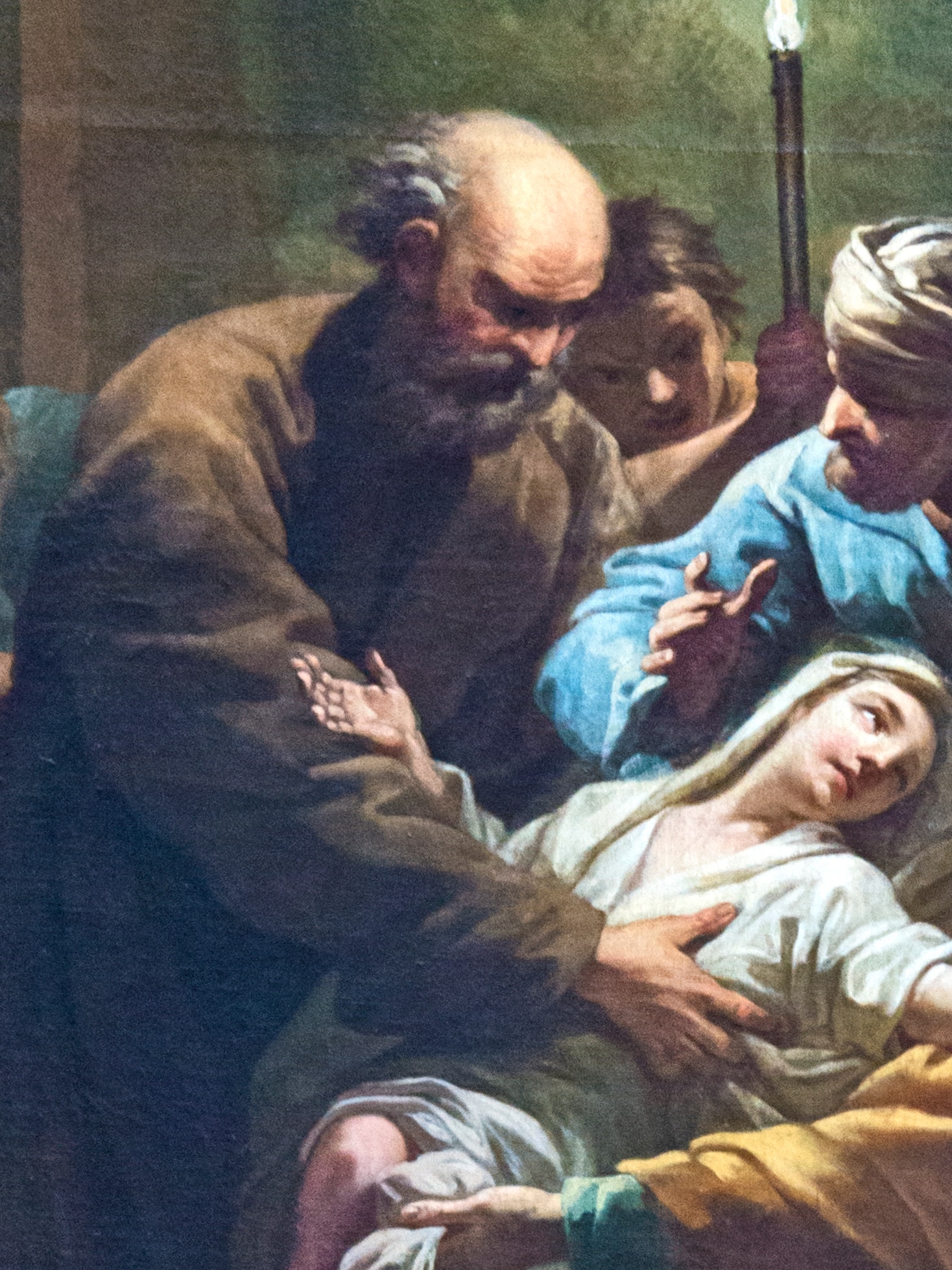
Eliseus, Alyasa, Elyasa, Elyesa, the man of God, the chariots of Israel and its horsemen
Mantles, Oil, Bears
About Elisha
Elisha was a significant prophet and wonder-worker in ancient Israel, whose life and ministry are detailed in the Hebrew Bible, primarily in the Books of Kings. He is revered across Judaism, Christianity, and Islam as a prophet, with his name transliterated in various ways across different traditions, including Eliseus in Greek and Latin, and Alyasa in Arabic.
Life and Ministry
Elisha's story begins with his anointing by Elijah, who cast his mantle upon him, signifying his succession to the prophetic office. Elisha served as Elijah's attendant before Elijah was taken up into heaven in a whirlwind. Upon Elijah's departure, Elisha received a "double portion" of Elijah's spirit, enabling him to perform numerous miracles, often exceeding those of his predecessor. He was active from approximately 892 to 832 BCE, serving as a spiritual advisor to multiple kings of Judah and Israel.
Miracles and Prophecies
Elisha's prophetic career was marked by a wide array of miraculous interventions. He purified the waters of Jericho, multiplied oil for a widow in debt, raised the son of a Shunammite woman from death, and healed the Syrian commander Naaman of leprosy. He also demonstrated control over nature, making iron float and predicting military outcomes. Elisha's prophecies extended to political events, including foretelling the reigns of kings like Hazael of Syria and Jehu of Israel, and directing the downfall of the house of Ahab.
Veneration
Elisha is venerated as a saint in various Christian denominations, with his feast day observed on June 14 in the Eastern Orthodox and Eastern Catholic traditions. The Carmelite Order, claiming a spiritual lineage from him, also commemorates him. In Islam, Elisha (Al-Yasa) is recognized as a prophet, exalted above his contemporaries. While historical accounts of his death are sparse, tradition holds that his body retained miraculous powers even after burial, with a man being revived upon touching his remains.
Source: Wikipedia ↗
Frequently Asked Questions
Who was Elisha?
Elisha was an Israelite prophet and wonder-worker described in the Hebrew Bible. He was a disciple and successor to the prophet Elijah, known for performing numerous miracles and serving as a spiritual advisor to kings.
What is Elisha most remembered for?
Elisha is chiefly remembered for inheriting a "double portion" of Elijah's spirit, leading to him performing twice as many miracles as his predecessor. He is also noted for his interventions in times of crisis, such as curing Naaman of leprosy and ensuring victory against the Syrians.
What religions venerate Elisha?
Elisha is venerated as a prophet in Judaism, Christianity, and Islam. His story is recounted in the Hebrew Bible, the New Testament, and the Quran.
When is Elisha's feast day?
Elisha's feast day is observed on June 14 in the Eastern Orthodox and Eastern Catholic liturgical calendars. The Armenian Apostolic Church commemorates him on a different date based on their liturgical cycle.
What significant miracles did Elisha perform?
Elisha's miracles include purifying the waters of Jericho, multiplying oil for a widow, raising the Shunammite woman's son from death, and healing the Syrian commander Naaman of leprosy. He also made iron float and predicted military victories.
Where are Elisha's relics said to be?
According to tradition, relics of Elisha are claimed to be among the possessions of the Coptic Orthodox Monastery of Saint Macarius the Great in Scetes, Egypt. Parts of his relics were transferred to Alexandria after being rescued from burning by Julian the Apostate.
Related Saints
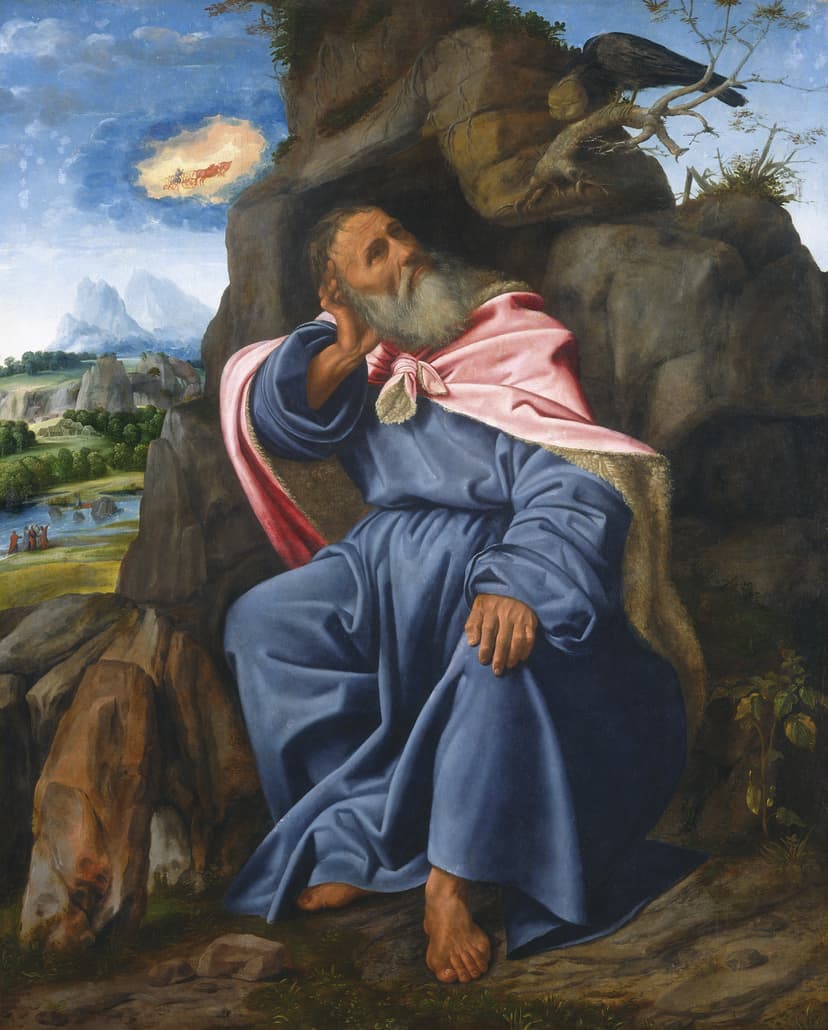
Elijah
Elijah was a prophet and miracle worker in the northern Kingdom of Israel during the 9th century BC. He is chiefly remembered for his defense of the worship of Yahweh against the Canaanite deity Baal and for his dramatic ascension to heaven. His return is prophesied to herald the coming of the Messiah.
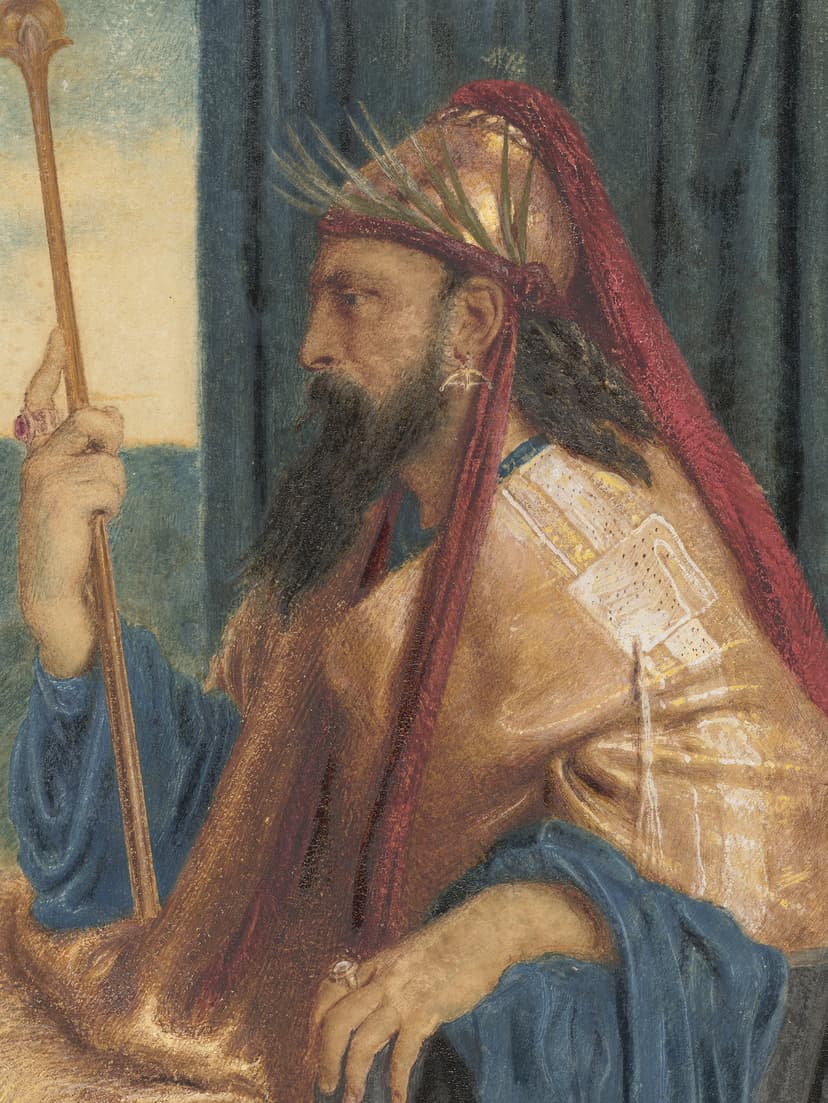
Solomon
Solomon was an ancient Israelite king, successor to his father David, reigning from approximately 970 to 931 BCE. He is celebrated in biblical narrative for immense wisdom, the construction of the First Temple in Jerusalem, and a reign of commercial prosperity. However, his accumulation of wealth and foreign wives who introduced idolatry led to divine punishment, resulting in the division of the kingdom after his death.
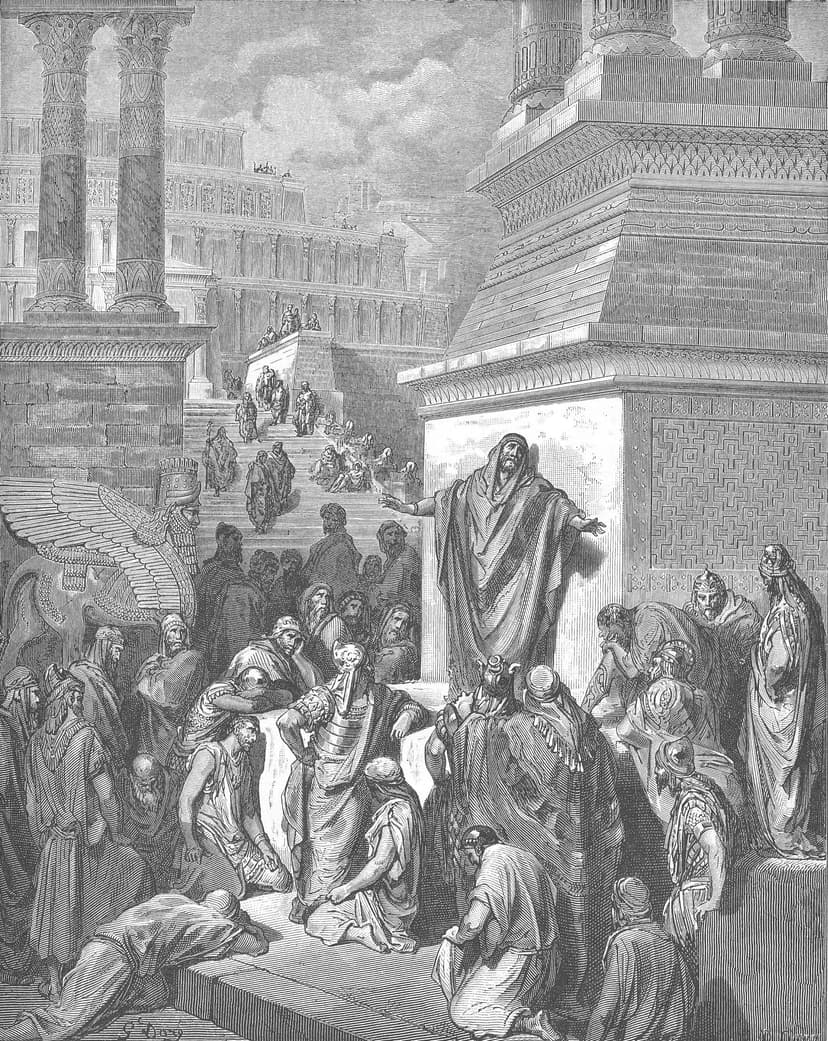
Jonah
Jonah was a Jewish prophet from the Northern Kingdom of Israel in the 8th century BCE, central to the Book of Jonah. He is remembered for his reluctance to deliver God's judgment to Nineveh and his miraculous survival after being swallowed by a large fish. His story is significant in Judaism for its teachings on repentance, in Christianity as a prefigurement of Jesus' resurrection, and in Islam as a revered prophet.