
Sénanque Abbey
Sénanque Abbey is a historic Cistercian monastery located in Provence, France, founded in 1148. It is renowned for its remarkably preserved Romanesque architecture and its austere beauty, reflecting the Cistercian ideals of simplicity. After periods of decline and upheaval, including destruction during the Wars of Religion and nationalization during the French Revolution, the abbey was re-established and continues to operate today, with monks cultivating lavender and tending bees.
Key Facts
- ›Founded in 1148 by Cistercian monks from Mazan Abbey.
- ›Architectural highlights include the abbey church, cloister, dormitory, and chapter house, all in Romanesque style.
- ›The abbey church's apse faces north due to valley topography, an unusual arrangement.
- ›Reached its peak in the 13th and 14th centuries, with extensive estates and mills.
- ›Suffered damage during the Wars of Religion and was sold after the French Revolution.
- ›Re-established in 1854, and a small community returned in 1988.

Romanesque
- Remarkably Untouched Romanesque Architecture
- Cloister Arcades With Simple Leaf-Form Capitals
- Abbey Church With Unusual North-Facing Apse
- Lavender Cultivation
- Honey Bee Tending
Abbaye Notre-Dame De SéNanque, Abadiá De Senhanca
- Alfant, Bishop of Cavaillon
- Ramon Berenguer Ii, Count of Barcelona, Count of Provence
- Founded 1148
- Abbey Church Consecrated 1178
- Founded Chambons Abbey 1152
- Reached Apogee In 13th and 14th Centuries
- First Abbot In Commendam Named 1509
- Destroyed Lay Brothers' Quarters and Ransacked By Huguenots During Wars of Religion
- Lands Nationalised and Monk Expelled During French Revolution
- Repurchased and Re-Established 1854
- Community Expelled 1903
- Small Community Returned 1988
About Sénanque Abbey
Sénanque Abbey (Occitan: abadiá de Senhanca, French: Abbaye Notre-Dame de Sénanque) is a significant Cistercian monastery located near the village of Gordes in the Vaucluse département of Provence, France. Its founding in 1148 marked the establishment of a community of impoverished monks who came from Mazan Abbey, under the patronage of Alfant, bishop of Cavaillon, and Ramon Berenguer II, Count of Barcelona and Provence.
History and Architecture
The abbey is celebrated for its remarkably preserved Romanesque architecture, which exemplifies the austere ideals of the Cistercian order. Key structures include the abbey church, cloister, dormitory, and chapter house. The abbey church features an unusual layout with its liturgical east end facing north, a concession to the narrow valley in which it is situated. By the 13th and 14th centuries, Sénanque had reached its zenith, managing extensive estates and mills. However, the abbey experienced periods of decline, notably marked by a reduction in its community size and damage during the Wars of Religion. The French Revolution further impacted Sénanque, leading to the nationalization of its lands and the expulsion of the remaining monk.
Revival and Present Day
Sénanque Abbey underwent a revival with its repurchase in 1854, leading to the establishment of a new community of Cistercian monks. This community faced another expulsion in 1903 but returned in 1988 as a priory of Lérins Abbey. Today, the monks sustain themselves by cultivating lavender and tending honey bees, and the abbey also offers opportunities for individuals to arrange spiritual retreats. Alongside Silvacane Abbey and Le Thoronet Abbey, Sénanque is sometimes referred to as one of the "Three Sisters of Provence" due to their shared Cistercian heritage and architectural style.
Source: Wikipedia ↗
Frequently Asked Questions
When was Sénanque Abbey founded?
Sénanque Abbey was founded in 1148. The initial community of monks came from Mazan Abbey and were housed in temporary huts.
What are the main architectural features of Sénanque Abbey?
The abbey boasts famed examples of Romanesque architecture, including the abbey church, cloister, dormitory, chapter house, and a small calefactory. These structures are noted for their severity and beauty, with simple leaf forms on the cloister capitals.
What happened to Sénanque Abbey during the French Revolution?
During the French Revolution, the abbey's lands were nationalized, the last remaining monk was expelled, and Sénanque was sold to a private individual, marking a significant period of disruption.
Is Sénanque Abbey still an active monastery?
Yes, Sénanque Abbey was re-established in 1854 and a small community returned in 1988 as a priory. The monks who live there cultivate lavender and tend honey bees for their livelihood.
Are Sénanque Abbey, Silvacane Abbey, and Le Thoronet Abbey related?
Yes, Sénanque Abbey, Silvacane Abbey, and Le Thoronet Abbey are three early Cistercian abbeys in Provence. They are sometimes collectively referred to as the 'Three Sisters of Provence' ('les trois soeurs provençales').
Can visitors stay at Sénanque Abbey?
Individuals can arrange to stay at the abbey for spiritual retreats. This offers a unique opportunity to experience the monastic environment.
Related Monasteries
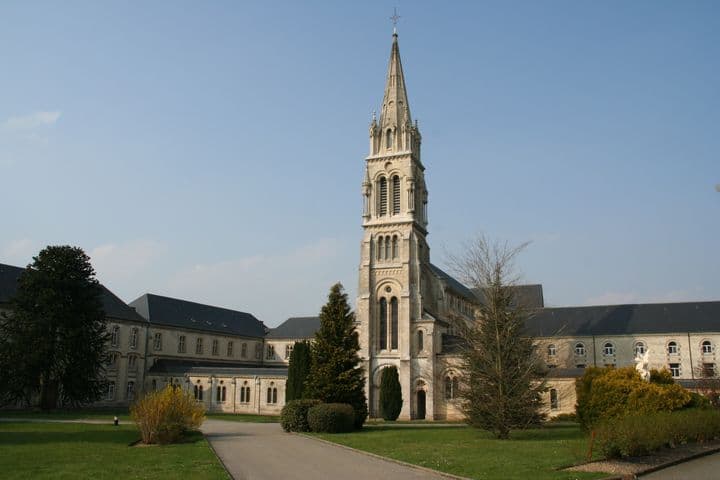
La Trappe Abbey
La Trappe Abbey, located in Soligny-la-Trappe, Orne, France, is historically significant as the origin of the Trappist order, deriving its name from this very monastery. Founded in the 12th century, it has undergone periods of destruction and reconstruction, notably during the Hundred Years' War and the French Revolution. Under the leadership of Abbot Armand Jean le Bouthillier de Rancé in the 17th century, it became the center of a major reform of the Cistercian Order, which eventually gave rise to the Trappist name.
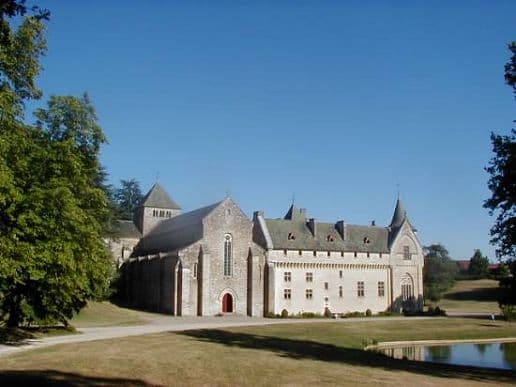
Abbey of Loc-Dieu
Abbey of Loc-Dieu is a Cistercian abbey situated in Aveyron, France, founded in 1123 on a site historically known as "devil's place" before being renamed "place of God" by its monastic inhabitants. Despite facing destruction and rebuilding, it became a significant Gothic architectural site and, during World War II, served as a safe haven for artworks from the Louvre, including the Mona Lisa. Today, the abbey and its park are open to the public.

La Lucerne Abbey
La Lucerne Abbey, officially the Abbey of the Most Holy Trinity of La Lucerne, was a Premonstratensian canonry founded in the 12th century in Normandy. It grew to become a significant motherhouse for other monasteries and, after suppression during the French Revolution, has undergone extensive restoration since 1959 with the aim of re-establishing a monastic community.