
Abbey of Loc-Dieu
Abbey of Loc-Dieu is a Cistercian abbey situated in Aveyron, France, founded in 1123 on a site historically known as "devil's place" before being renamed "place of God" by its monastic inhabitants. Despite facing destruction and rebuilding, it became a significant Gothic architectural site and, during World War II, served as a safe haven for artworks from the Louvre, including the Mona Lisa. Today, the abbey and its park are open to the public.
Key Facts
- ›Founded in 1123, originally named "Locus Diaboli" (devil's place).
- ›Renamed "Locus Dei" (place of God) by its monks, evolving into Loc-Dieu.
- ›The church, built between 1159 and 1189, is an early example of Gothic architecture in Southern France.
- ›Suffered damage by English forces in 1409 and was fortified upon rebuilding in 1470.
- ›Served as a secret storage location for Louvre artworks, including the Mona Lisa, during the summer of 1940.
- ›The Cibiel family, descendants of its 1812 purchaser, continue to reside there.

Gothic
- Church Built Between 1159 and 1189
- Cloister and Chapter Room Rebuilt In 1470
- Park Open To Visitors
- Site of Secret Storage For Louvre Artworks During Wwii
Locus Diaboli, Locus Dei
- Burnt Down By the English In 1409
- Rebuilt and Fortified In 1470
- Suppressed and Assets Sold During the French Revolution
- Paintings From the Louvre, Including the Mona Lisa, Hidden There In 1940
About Abbey of Loc-Dieu
Abbey of Loc-Dieu is a Cistercian abbey located in the Aveyron department of France, near Martiel and Villefranche-de-Rouergue. Its history is marked by a significant transformation in name and purpose, evolving from a site once referred to as "devil's place" to a sanctuary of faith and a protector of cultural heritage.
History and Significance
Founded in 1123, the abbey's initial location was known as "Locus Diaboli" due to the presence of numerous dolmens, a name that reflected local superstition. The Cistercian monks who established the abbey renamed it "Locus Dei," meaning "place of God," a name that has endured as Loc-Dieu. The abbey's existence has been punctuated by periods of destruction and renewal; it was burnt down by the English in 1409 and subsequently rebuilt and fortified in 1470. During the French Revolution in 1793, the abbey was suppressed, and its properties were sold. In a remarkable turn of events during the summer of 1940, Loc-Dieu served as a clandestine repository for priceless artworks from the Louvre Museum, including Leonardo da Vinci's Mona Lisa, safeguarding them from potential harm during wartime.
Architecture
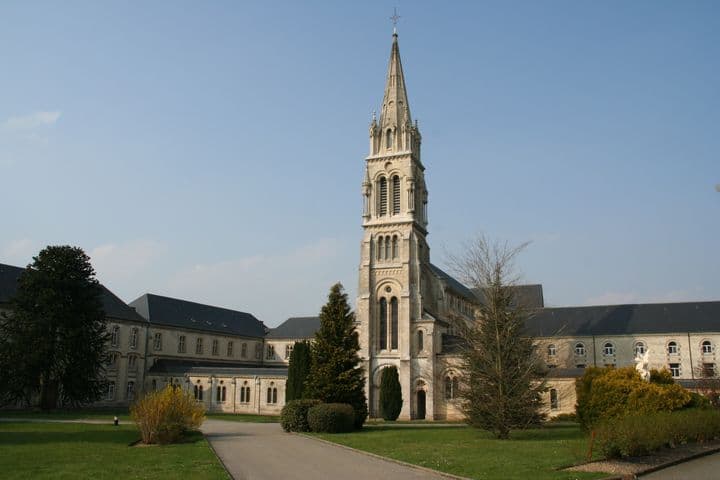
The architectural heritage of Loc-Dieu showcases a transition from Romanesque to Gothic styles. The abbey church, constructed between 1159 and 1189, is recognized as one of the earliest Gothic structures in southern France, designed with the characteristic simplicity of Cistercian architecture, emphasizing stone and light over ornamentation. The cloister and chapter room, rebuilt in 1470, replaced an earlier Romanesque cloister and exhibit a distinct Gothic style.
Current Status
Today, the Abbey of Loc-Dieu continues its legacy, though its monastic community is no longer active. The buildings underwent restoration in the late 19th century. The Cibiel family, descendants of the family that purchased the abbey in 1812, still resides there. The abbey and its extensive park are now open to the public, offering visitors a glimpse into its rich history and architectural beauty.
Source: Wikipedia ↗
Frequently Asked Questions
When was the Abbey of Loc-Dieu founded?
The Abbey of Loc-Dieu was founded in 1123 by Cistercian monks. It was established on a site previously known as 'Locus Diaboli' due to the surrounding dolmens.
What does the name 'Loc-Dieu' mean?
The name 'Loc-Dieu' originates from the Latin 'Locus Dei', meaning 'place of God'. This name was given by the monks to replace the original name, 'Locus Diaboli'.
What is the architectural style of the Abbey of Loc-Dieu?
The church at Loc-Dieu, built between 1159 and 1189, is considered one of the first Gothic buildings in southern France, designed with simplicity as per Cistercian rules. The cloister and chapter room, rebuilt in 1470, also feature a strong Gothic style.
What historical event is the Abbey of Loc-Dieu known for during World War II?
During the summer of 1940, the Abbey of Loc-Dieu was used as a secret hiding place for valuable paintings from the Louvre Museum. These artworks, including the Mona Lisa, were brought there for safekeeping from German troops.
Is the Abbey of Loc-Dieu still inhabited?
Yes, the Cibiel family, whose ancestors purchased the abbey in 1812, still resides in the buildings today. The abbey and its park are also open to visitors.
Related Monasteries
La Trappe Abbey
La Trappe Abbey, located in Soligny-la-Trappe, Orne, France, is historically significant as the origin of the Trappist order, deriving its name from this very monastery. Founded in the 12th century, it has undergone periods of destruction and reconstruction, notably during the Hundred Years' War and the French Revolution. Under the leadership of Abbot Armand Jean le Bouthillier de Rancé in the 17th century, it became the center of a major reform of the Cistercian Order, which eventually gave rise to the Trappist name.

Sénanque Abbey
Sénanque Abbey is a historic Cistercian monastery located in Provence, France, founded in 1148. It is renowned for its remarkably preserved Romanesque architecture and its austere beauty, reflecting the Cistercian ideals of simplicity. After periods of decline and upheaval, including destruction during the Wars of Religion and nationalization during the French Revolution, the abbey was re-established and continues to operate today, with monks cultivating lavender and tending bees.

Cadouin Abbey
Cadouin Abbey was a Cistercian monastery founded in 1115 as a hermitage. It rose to prominence as a major pilgrimage site due to its possession of a relic believed to be the Sudarium of Christ, attracting significant prestige and wealth. The abbey was dissolved during the French Revolution in 1791, with its assets looted and library destroyed, though its church still remains.