
Mazan Abbey
Mazan Abbey was a significant Cistercian monastery located in Mazan-l'Abbaye, Ardèche, France. Founded in 1120, it quickly became a pivotal mother house for several other prominent Cistercian abbeys. Despite facing destruction during the Hundred Years' War and by the Huguenots, it was rebuilt in the 18th century, only to be suppressed during the French Revolution, with its ruins later quarried for building materials.
Key Facts
- ›Founded in 1120 from Bonnevaux Abbey.
- ›Became the mother house for Le Thoronet, Silvanès, Bonneval, and Sénanque Abbeys.
- ›Suffered damage during the Hundred Years' War and from Huguenot raids.
- ›Rebuilt in the 18th century.
- ›Suppressed during the French Revolution.
- ›Ruins were quarried for stone in the 19th and 20th centuries.

Mother House of Several Abbeys
Plundered During the Hundred Years' War, Plundered By the Huguenots, Suppressed During the French Revolution
About Mazan Abbey
Mazan Abbey was a historically significant Cistercian monastery situated in the village of Mazan-l'Abbaye, within the Ardèche département of France. Its establishment in 1120, originating from Bonnevaux Abbey and incorporating an existing community of canons, marked the beginning of its influential role in the Cistercian order.
Historical Context and Influence
From its inception, Mazan Abbey served as a crucial mother house, fostering the establishment of several other prominent Cistercian monasteries. These included Le Thoronet Abbey (founded 1136), Silvanès Abbey (founded 1136), Bonneval Abbey (founded 1147), and Sénanque Abbey (founded 1148). This network highlights the abbey's importance in the expansion and consolidation of Cistercian life in the region.
Periods of Destruction and Revival
Mazan Abbey endured significant hardship throughout its history. It was plundered during the tumultuous Hundred Years' War and again by Huguenot forces, underscoring its vulnerability during periods of conflict and religious strife. Despite these setbacks, the abbey was revived and rebuilt in the 18th century, indicating a resilient spirit and continued devotion.
Suppression and Legacy
The abbey's active monastic life concluded with its suppression during the French Revolution. In the subsequent centuries, particularly the 19th and 20th, the remains of Mazan Abbey were systematically quarried for stone. This practice notably contributed to the construction of the smaller modern church adjacent to the site, as the original abbey church was deemed too large and cold for parish use. Today, Mazan Abbey exists primarily as ruins, a testament to its rich and often turbulent past.
Source: Wikipedia ↗
Frequently Asked Questions
When was Mazan Abbey founded?
Mazan Abbey was founded in the year 1120. It was established as a daughter house of Bonnevaux Abbey.
What religious order was Mazan Abbey a part of?
Mazan Abbey belonged to the Cistercian order. This order is known for its emphasis on austerity, manual labor, and contemplative prayer.
What happened to Mazan Abbey after the French Revolution?
Following its suppression during the French Revolution, the remains of Mazan Abbey were systematically quarried for stone. This occurred primarily during the 19th and 20th centuries, with some materials used to build the modern adjacent church.
Was Mazan Abbey an influential monastery?
Yes, Mazan Abbey was influential as it served as the mother house for several other significant Cistercian abbeys, including Le Thoronet, Silvanès, Bonneval, and Sénanque.
Related Monasteries

Abbaye Blanche
The Abbaye Blanche was a Benedictine nunnery founded in 1112 in Mortain, France, by Saint Vitalis. It was established for women with his sister, Adelina, as its first abbess. The community followed a strict interpretation of the Rule of Saint Benedict and later joined the Cistercian order in 1147. Though much has been lost to time, remnants of its Romanesque and Early Gothic architecture endure.
Barbeau Abbey
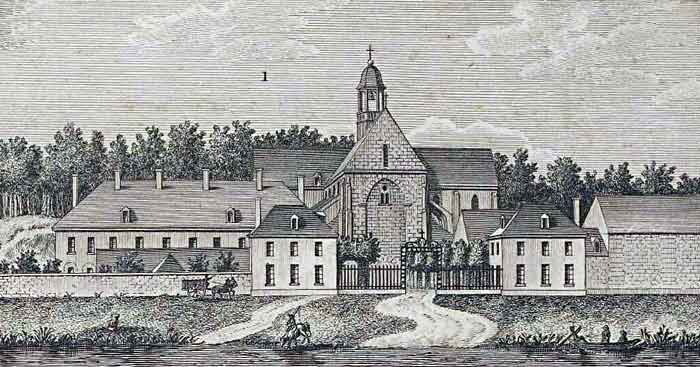
Barbeau Abbey was a Cistercian monastery founded in 1147 by King Louis VII of France. Located in Fontaine-le-Port, Seine-et-Marne, it was a site of royal burial and experienced periods of prosperity and destruction throughout its history, including the Hundred Years' War and the French Revolution. Today, few original structures remain, with a riding school occupying the former site.

Bellevaux Abbey
Bellevaux Abbey was a Cistercian monastery established in 1120 in Franche-Comté, France, by Pons de Morimond. It was a significant religious house, connected to local nobility and notable figures like Burchard of Bellevaux and Peter of Tarentaise. Though suppressed in 1790 and largely demolished shortly after, its history includes periods of destruction and rebuilding, with the final structures erected by Abbot Louis Albert de Lezay-Marnésia. The site later housed a Trappist community before being sold to private owners.