
Bellevaux Abbey
Bellevaux Abbey was a Cistercian monastery established in 1120 in Franche-Comté, France, by Pons de Morimond. It was a significant religious house, connected to local nobility and notable figures like Burchard of Bellevaux and Peter of Tarentaise. Though suppressed in 1790 and largely demolished shortly after, its history includes periods of destruction and rebuilding, with the final structures erected by Abbot Louis Albert de Lezay-Marnésia. The site later housed a Trappist community before being sold to private owners.
Key Facts
- ›Founded in 1120 by Pons de Morimond.
- ›A daughter house of Morimond Abbey.
- ›Associated with the author and abbot Burchard of Bellevaux.
- ›Received relics from Peter of Tarentaise in 1174.
- ›Sacked by French troops in 1474 and burned by troops from Weimar in 1636.
- ›Final buildings erected by Abbot Louis Albert de Lezay-Marnésia in the late 18th century.

Received Relics From Peter of Tarentaise
Pons De Morimond, Burchard of Bellevaux, Peter of Tarentaise, Otto De La Roche, Louis Albert De Lezay-MarnéSia, Eugene Huvelin, Jean-Charles Pichegru
- Founded In 1120
- Sacked In 1474 By French Troops
- Burned In 1636 By Troops From Weimar
- Suppressed In 1790
- Sold In 1791
- Church Demolished Shortly After 1791
- Buildings Bought By Jean-Charles Pichegru In 1795
- Trappist Community Installed In 1817
- Trappist Community Left Due To 1830 Revolution
- Premises Sold To Private Owners In 1837
About Bellevaux Abbey
Bellevaux Abbey was a significant Cistercian monastery located near present-day Cirey in the Haute-Saône department of France. Founded in 1120 by Pons de Morimond, it was a daughter house of Morimond Abbey and played a role in the religious and local political landscape of Franche-Comté. The abbey maintained strong connections with local nobility, including Otto de la Roche, who gifted it the sacked Daphni Monastery in Greece around 1205.
History and Significance
The history of Bellevaux Abbey is marked by periods of both prosperity and destruction. It was a center of religious life, with notable figures such as Burchard of Bellevaux serving as abbot from 1158 until approximately 1165. In 1174, Peter of Tarentaise arrived at the abbey, bringing relics that became a point of contention with Tamié Abbey for a considerable time. The abbey faced significant challenges, being sacked by French troops in 1474 and burned by troops from Weimar in 1636.
Later Developments and Present Status
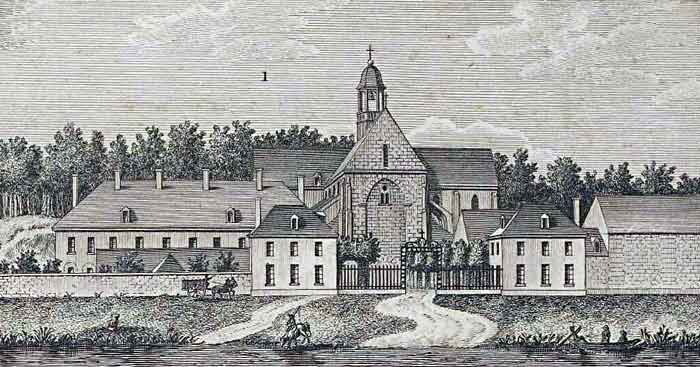
The final structures of Bellevaux Abbey were erected by Abbot Louis Albert de Lezay-Marnésia, who was also the bishop of Évreux, between 1762 and 1788. The abbey was suppressed in 1790, and its buildings were sold in 1791, leading to the demolition of the church shortly thereafter. In 1817, Eugene Huvelin purchased the premises and established a Trappist religious community, which dispersed again at the outbreak of the 1830 Revolution. The site was subsequently sold to private owners in 1837, and today exists primarily as ruins.
Source: Wikipedia ↗
Frequently Asked Questions
When was Bellevaux Abbey founded?
Bellevaux Abbey was founded in 1120. It was established by Pons de Morimond.
What religious order was Bellevaux Abbey part of?
Bellevaux Abbey was a Cistercian monastery. Later, a Trappist religious community was installed there.
What happened to Bellevaux Abbey after its suppression?
The abbey was suppressed in 1790 and sold in 1791, after which the church was demolished. The buildings were later bought by Jean-Charles Pichegru in 1795 and then sold to private owners in 1837.
Were there any notable figures associated with Bellevaux Abbey?
Yes, Burchard of Bellevaux served as abbot from 1158 to about 1165. Peter of Tarentaise also died at the abbey in 1174.
Has Bellevaux Abbey suffered damage throughout its history?
The abbey was sacked by French troops in 1474 and burned by troops from Weimar in 1636. The church was also demolished shortly after its suppression in 1790.
Related Monasteries

Abbaye Blanche
The Abbaye Blanche was a Benedictine nunnery founded in 1112 in Mortain, France, by Saint Vitalis. It was established for women with his sister, Adelina, as its first abbess. The community followed a strict interpretation of the Rule of Saint Benedict and later joined the Cistercian order in 1147. Though much has been lost to time, remnants of its Romanesque and Early Gothic architecture endure.
Barbeau Abbey
Barbeau Abbey was a Cistercian monastery founded in 1147 by King Louis VII of France. Located in Fontaine-le-Port, Seine-et-Marne, it was a site of royal burial and experienced periods of prosperity and destruction throughout its history, including the Hundred Years' War and the French Revolution. Today, few original structures remain, with a riding school occupying the former site.

Cadouin Abbey
Cadouin Abbey was a Cistercian monastery founded in 1115 as a hermitage. It rose to prominence as a major pilgrimage site due to its possession of a relic believed to be the Sudarium of Christ, attracting significant prestige and wealth. The abbey was dissolved during the French Revolution in 1791, with its assets looted and library destroyed, though its church still remains.