
Oost-Eekloo Abbey
Oost-Eekloo Abbey was a Cistercian nunnery founded in Oosteeklo in 1217, later relocating to Ghent after being plundered during the Dutch Revolt. The abbey played a role in the agricultural development of its original locale and, after its move to Ghent, saw the construction of its church, refectory, chapter house, and infirmary. Though suppressed in 1796, the community continued clandestinely until officially recognized again in 1814, eventually dying out by the mid-19th century.
Key Facts
- ›Founded in Oosteeklo in 1217 as a Cistercian nunnery.
- ›Plundered and razed in 1577 during the Dutch Revolt.
- ›Relocated to Ghent in 1585, establishing a community at the Posteernehof.
- ›Significant construction occurred in Ghent under abbesses Joanna de Hertoghe and Francisca vanden Steene.
- ›Suppressed by Revolutionary authorities in 1796, but continued as a clandestine community until 1814.
- ›The community eventually died out by the MID-19th century.
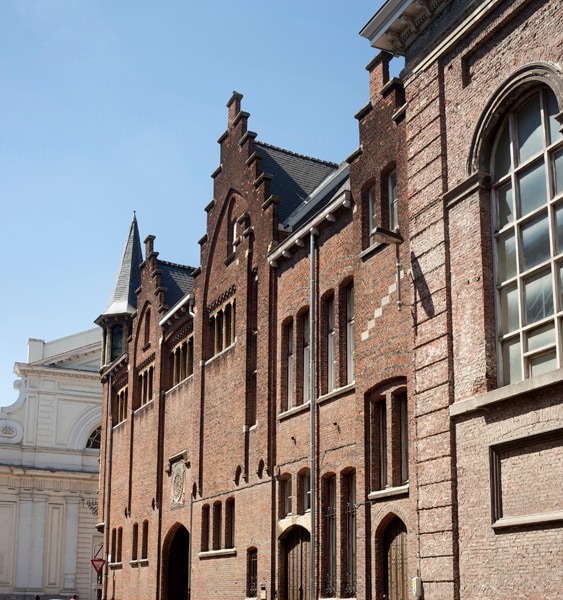
- Former Guesthouse In Oosteeklo
- Abbey Church, Refectory, Chapter House, and Infirmary Built In Ghent
Elisabeth Fransmans, Joanna De Hertoghe, Francisca Vanden Steene, Maria De Brunswyck, Isabella Clara Eugenia De Huchin, Juliana Vanden Bogaerde of Bruges, Maria Alexandrina Coene of Ghent
Foundation In Oosteeklo, Plundered and Razed During the Dutch Revolt, Relocation To Ghent, Suppression By Revolutionary Authorities, Re-Recognition As A Monastic House
About Oost-Eekloo Abbey
Oost-Eekloo Abbey was a significant Cistercian nunnery with a history spanning several centuries, originating in the village of Oosteeklo and later establishing a presence in the city of Ghent.
History and Development
The abbey was founded in Oosteeklo in 1217. In its early years, the lay brothers and secular tenants associated with the monastery played a crucial role in the agricultural development of the surrounding heathland. The community faced severe disruption in 1577 when the abbey was plundered and razed during the tumultuous period of the Dutch Revolt.
Following this destruction, seven surviving nuns regrouped under the leadership of Abbess Elisabeth Fransmans. In 1585, they relocated to Ghent, establishing their community within the Posteernehof. Under subsequent abbesses, the abbey in Ghent flourished. Abbess Joanna de Hertoghe oversaw the construction of the abbey church, while Abbess Francisca vanden Steene was responsible for building the refectory, chapter house, and infirmary, and for the decoration of the church. In 1653, a confraternity of St Bernard of Clairvaux was established.
Even after its move to Ghent, the monastery maintained extensive property and rights in the Oosteeklo region, with its former guesthouse in the village now recognized as built heritage. In 1666, permission was granted for a chapel to be built on the original site of the abbey in Oosteeklo.
Suppression and Later Years
The abbey's history took another turn in 1796 when the Revolutionary authorities suppressed the house in Ghent and confiscated its buildings. The property was sold at public auction in 1797. However, the former nuns managed to buy back the house through a front man and continued to live there as a clandestine community until 1814, when it was officially recognized as a monastic house once more. Despite this re-establishment, the community gradually dwindled and died out over the following decades.
In the mid-19th century, the former monastery buildings in Ghent were transferred to the Jesuits in 1842. By the early 20th century, they had passed to the De La Salle Brothers, marking the end of their era as a monastic establishment.
Source: Wikipedia ↗
Frequently Asked Questions
When was Oost-Eekloo Abbey founded?
Oost-Eekloo Abbey was founded in 1217. It was originally established in Oosteeklo before later moving to Ghent.
What happened to Oost-Eekloo Abbey during the Dutch Revolt?
During the Dutch Revolt, the abbey was plundered and razed in 1577. This event led to the surviving community regrouping and eventually relocating.
Where did the nuns of Oost-Eekloo Abbey move after leaving Oosteeklo?
After the abbey was plundered, seven surviving members regrouped and moved into the Posteernehof in the city of Ghent in 1585.
When did Oost-Eekloo Abbey cease to exist as an active monastic house?
The community continued to live clandestinely until 1814 when it was officially recognized as a monastic house again. However, over the subsequent decades, the community died out, leading to its eventual cessation.
What is the current status of the buildings formerly belonging to Oost-Eekloo Abbey in Ghent?
After the community died out, the former monastery buildings in Ghent were transferred to the Jesuits in 1842 and later to the De La Salle Brothers in the early 20th century. The former guesthouse in Oosteeklo is now listed as built heritage.
Related Monasteries
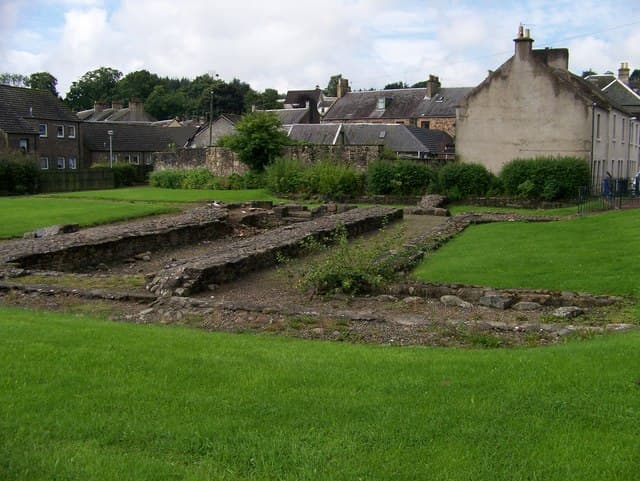
Lesmahagow Priory
Lesmahagow Priory was a medieval Tironensian monastic community situated in Lesmahagow, Scotland. Founded by grants from John, Bishop of Glasgow, and King David I, it served as a dependency of Kelso Abbey. The priory's control was secularized in the 16th century and it was transformed into a secular lordship in 1607, eventually passing to the Hamilton family.

Neuwiller-lès-Saverne
Neuwiller-lès-Saverne is a commune in northeastern France, historically significant for its Benedictine abbey founded in 723 by Saint Sigibald. The abbey church, dedicated to Saints Peter and Paul, is a notable landmark with Romanesque elements and is classified as a monument historique. The relics of Saint Adelphus, brought to the abbey in 826, attracted numerous pilgrims, leading to the construction of a separate shrine church.
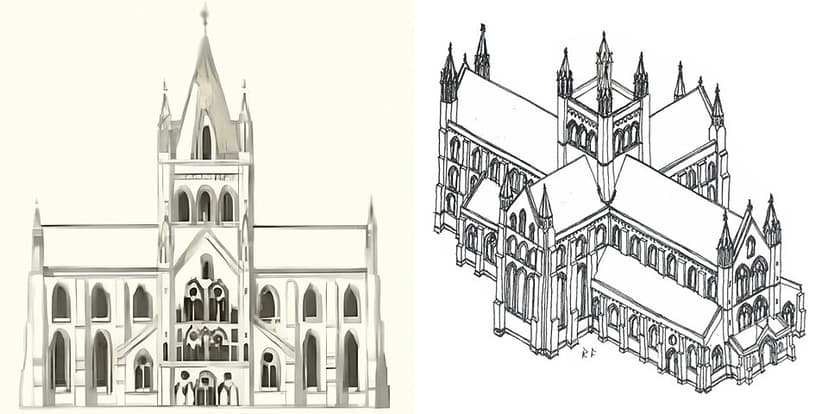
Scone Abbey
Scone Abbey, originally Scone Priory, was a significant Augustinian monastic house in Scone, Perthshire, Scotland. Established between 1114 and 1122 AD, it held the Stone of Destiny, upon which Scottish monarchs were crowned, and played a crucial role in royal ceremonies. Though burned down during the Scottish Reformation in 1559, its historical importance as a center of religious and royal power is well-documented.