
Ghent
Belgium·Active city with preserved historical elements
Ghent is a historic Belgian city and municipality located in the East Flanders province, renowned for its exceptionally well-preserved medieval center. Once a major European hub for cloth manufacturing and trade in the late Middle Ages, it experienced a decline in importance after the 16th century, which paradoxically contributed to its current status as a vibrant tourist destination. Today, Ghent is a bustling port and university city that successfully blends its rich historical heritage with modern urban life.
Key Facts
- ›Founded as a settlement at the confluence of the Rivers Scheldt and Leie.
- ›Became one of the largest and richest cities in northern Europe by the Late Middle Ages, with a population of around 50,000 in 1300.
- ›Known for its well-preserved historic center, making it a popular tourist destination.
- ›The beguinages, belfry, and adjacent cloth hall were recognized as UNESCO World Heritage Sites in 1998 and 1999.
- ›Home to Ghent University and a significant port, the third largest in Belgium.
- ›Celebrates the annual ten-day Ghent Festival (Gentse Feesten), attracting 1-1.5 million visitors.

Medieval, Gothic
Gravensteen Castle, Graslei Harbour Architecture, Beguinages, St. Bavo's Cathedral, Belfry, St. Jacob's Church, St. Nicholas' Church, St. Michael's Church, St. Stefanus' Church, University Buildings By Henry Van De Velde, De Krook Library, Campo Santo Burial Site, Bourgoyen-Ossemeersen Nature Reserve, Blaarmeersen Recreation Park
Gand, Gaunt
Saint Amand, Einhard, John of Gaunt, Juana of Castile, Charles V, Philip the Good, Maximilian of Austria, Lieven Bauwens, Louis Roelandt, Henry Van De Velde, Mathias De Clercq
- Viking Plunderings
- Battle of Gavere
- Revolt of Ghent
- Eighty Years' War
- Capture By French Forces During the War of the Austrian Succession
- Treaty of Aix-La-Chapelle
- Introduction of the First Mechanical Weaving Machine In Europe
- Treaty of Ghent Signed
- Belgian Revolution
- World War I Occupation
- World War Ii Liberation
- Ghent Festival Established
- Co-Hosted World Choir Games
- Chosen As European Youth Capital
About Ghent
Ghent is a significant city and municipality in the East Flanders province of Belgium, situated at the confluence of the Rivers Scheldt and Leie. Historically, it rose to prominence in the Late Middle Ages, becoming one of northern Europe's largest and wealthiest urban centers. This era saw Ghent as a leading European city for cloth manufacturing, importing wool from Scotland and England. Its medieval core remains remarkably well-preserved, contributing to its modern status as a major tourist destination.
History and Development
The city's origins are traced back to settlements around the Scheldt and Leie rivers, with evidence of habitation from the Stone and Iron Ages. Saint Amand founded two abbeys, St. Peter's (Blandinium) and St. Bavo's Abbey, around 650 AD. By the 13th century, Ghent was a thriving city-state, among the largest in Europe north of the Alps. Its prosperity was built on the wool trade and textile production. However, the city faced periods of conflict and decline, notably during the Eighty Years' War, which diminished its international importance. The late 19th century saw a resurgence with the introduction of mechanical weaving and the establishment of its own university.
Architecture and Heritage
Ghent boasts an exceptionally preserved historic center, characterized by its medieval architecture. Key landmarks include St. Bavo's Cathedral, housing the renowned Ghent Altarpiece, the city's belfry, and the Gravensteen castle. The picturesque architecture along the Graslei harbour is another notable feature. The city also houses three beguinages, which, along with the belfry and adjacent cloth hall, were recognized as UNESCO World Heritage Sites in 1998 and 1999. Modern architectural contributions include the university's Boekentoren (Book Tower) by Henry Van de Velde and the recent De Krook library.
Culture and Modern Significance
Today, Ghent is a dynamic port and university city. It hosts major cultural events such as the annual Ghent Festival (Gentse Feesten), which draws millions of visitors. The city is also a center for museums, including the Museum of Fine Arts and the Museum for Contemporary Art (SMAK). Ghent is recognized for its culinary scene, offering traditional Flemish dishes and a notable number of vegetarian restaurants, having promoted a meat-free day on Thursdays. The city's economy is supported by its port, Ghent University, research companies, and a growing tourism sector.
Source: Wikipedia ↗
Frequently Asked Questions
What is Ghent historically known for?
Historically, Ghent was a leading European city for cloth manufacturing and trade during the Middle Ages. It was one of the largest and wealthiest cities of northern Europe by the Late Middle Ages, peaking around 1300.
Why is Ghent's historic center so well-preserved?
Ghent's historic center is exceptionally well-preserved because the city's importance diminished after the late 16th century. This period of less activity allowed its medieval architecture to remain largely intact, making it a significant tourist attraction today.
What are some of Ghent's UNESCO World Heritage Sites?
The beguinages, the belfry, and the adjacent cloth hall in Ghent have been recognized by UNESCO as World Heritage Sites. These designations were made in 1998 and 1999, highlighting their outstanding universal value.
What major events take place in Ghent?
Ghent hosts several significant cultural events, including the annual Ghent Festival (Gentse Feesten), which attracts millions of visitors over ten days. It also hosts the International Film Festival of Ghent and the Gent Festival van Vlaanderen.
What is the origin of Ghent's name?
The older name for Ghent, 'Ganda', is believed by most historians to derive from the Celtic word 'ganda', meaning 'confluence' or 'river mouth', referring to the Leie river's junction with the Scheldt. Some sources also link the name to an obscure deity named Gontia.
Related Monasteries

Bruges
Bruges, the capital of West Flanders, is a historic Belgian city renowned for its well-preserved medieval architecture and extensive canal system, earning it the nickname "Venice of the North." Originally a Roman settlement, it rose to prominence in the Middle Ages as a major commercial hub and the capital of the County of Flanders, fostering advanced merchant capitalism and banking. Despite a decline after 1500 due to silting of its sea access, Bruges experienced a significant revival in the late 19th century, becoming a popular tourist destination and a UNESCO World Heritage Site, celebrated today for its cultural heritage, arts, and vibrant atmosphere.

Leuven
Leuven, also known as Louvain, is the capital and largest city of the province of Flemish Brabant in Belgium, renowned as a historic university city since 1425. It has been a significant center for trade, cloth manufacture, art, and knowledge, hosting influential humanists, scholars, and artists. The city has faced considerable damage in both World Wars but has rebuilt and continues to be a hub for research, innovation, and culture, as well as the global headquarters for Anheuser-Busch Inbev.
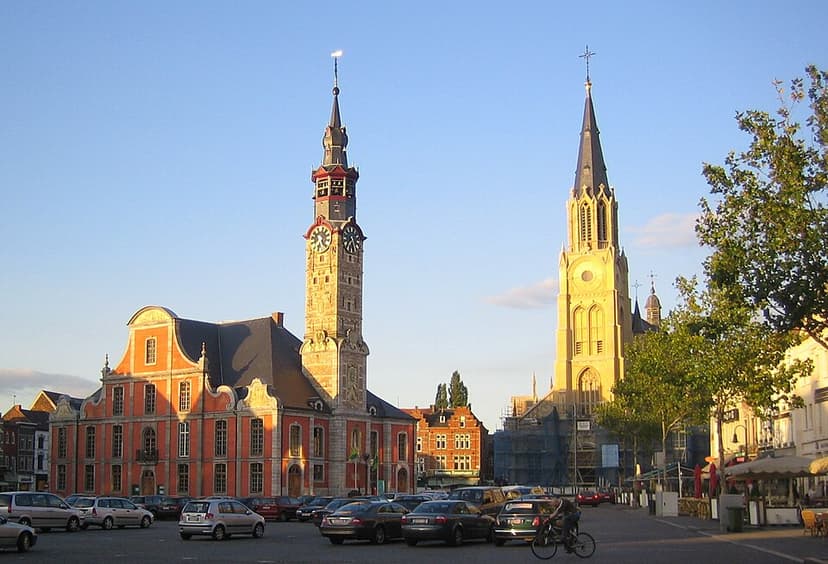
Sint-Truiden
Sint-Truiden is a Belgian city that developed around an abbey founded in the 7th century by St. Trudo. It grew into a significant pilgrimage center and prosperous town known for its linen industry and trade. After a period of decline, the city revitalized as the center of a fruit-producing region and has retained several historical and architectural landmarks.