
De La Salle Brothers
The De La Salle Brothers, officially the Institute of the Brothers of the Christian Schools (FSC), is a Catholic lay religious congregation founded in France by Jean-Baptiste de La Salle in 1679. Dedicated to providing a human and Christian education, especially to the poor, the institute operates over a thousand educational centers in nearly 80 countries, serving over a million students. While lauded for their educational mission and recognized by the Pope, the order has also faced significant controversy due to admitted long-standing cases of physical and sexual abuse within some of its institutions.
Key Facts
- ›Founded in France by Jean-Baptiste de La Salle in 1679.
- ›The order's primary mission is education, particularly for the poor.
- ›Operates 1,154 education centers in 78 countries as of December 2023.
- ›Serves over 1.1 million students worldwide.
- ›Has faced and admitted to allegations of long-standing physical and sexual abuse.
- ›Jean-Baptiste de La Salle was canonized as a saint and declared the Special Patron of all Teachers of Youth.
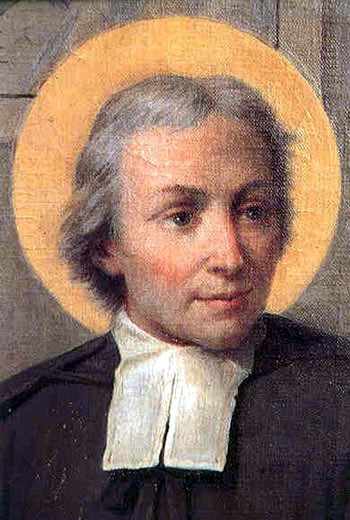
- Operates A Global Network of Educational Institutions
- Founded the Christian Brothers Investment Services
- Historically Operated A Winery In California
- Institute of the Brothers of the Christian Schools
- Christian Brothers
- French Christian Brothers
- Lasallian Brothers
- Fratres Scholarum Christianarum
- FrèRes Des éColes ChréTiennes
- Germans De Les Escoles Cristianes
- Fratelli Delle Scuole Cristiane
Jean-Baptiste De La Salle, Adrian Nyel, Br. BarthéLemy, Br. TimothéE, Br. Claude, Br. Florence, Br. Agathon, Br. Fumence, Br. Gerbaud, Br. Guilluame De JéSus, Br. Anaclet, Br. Philippe, Br. Jean-Olympe, Br. Irlide, Br. Joseph, Br. Gabriel Marie Joseph, Br. Imier De JéSus, Br. Allais Charles, Br. Adrien, Br. Junien Victor, Br. ArèSe-Casimir, Br. Athanase éMile, Br. Denis-De-JéSus, Br. Nicet Joseph Loubet, Br. Charles Henry Buttimer, Br. José Pablo Basterrechea, Br. John Johnston, Br. áLvaro RodríGuez EcheverríA, Br. Robert Schieler, Br. Armin Luistro, Br. Juan Fromental Cayroche, Brother Timothy Diener, Paul Mcauley
- Founded In 1679 in Reims, France.
- Novitiate and Normal School Established In Paris In 1694.
- Recognized By the Pope In 1725.
- Dissolved By the French Revolution In 1790.
- Reinstated By Napoleon I In 1804 and Formally Recognized In 1808.
- Awarded the Noma Literacy Prize By Unesco In 1990.
- Admitted To Child Abuse Allegations In Northern Ireland In 2014.
- the Lasallian Volunteers Program Ended On June 30, 2022.
About De La Salle Brothers
The De La Salle Brothers
The De La Salle Brothers, officially known as the Institute of the Brothers of the Christian Schools (FSC), are a Catholic lay religious congregation for men founded in France in 1679 by Jean-Baptiste de La Salle. The institute is dedicated to providing a human and Christian education, with a particular focus on the poor. As of December 2023, the Brothers operate 1,154 education centers in 78 countries, serving over 1.1 million students and supported by a large number of teachers and lay associates.
History and Mission
Jean-Baptiste de La Salle's encounter with teacher Adrian Nyel in 1679 marked the genesis of the order, which aimed to establish free schools for impoverished boys in Reims. By 1694, a novitiate and normal school were established in Paris, and the Brothers collectively took vows that emphasized community interaction. The institute received papal recognition in 1725, six years after La Salle's death, and was officially titled the "Brothers of the Christian Schools." La Salle himself was canonized in 1900 and later declared the Special Patron of All Teachers of Youth by Pope Pius XII. Despite being dissolved during the French Revolution in 1790, the order was re-established by Napoleon I in 1804 and has since expanded its educational network globally.
Global Reach and Activities
The De La Salle Brothers maintain a significant global presence, with their operations divided into five regions: North America, Asia/Oceania, Europe/Mediterranean, Africa, and Latin America. Their primary activity remains education, though they have also engaged in other initiatives. These include the establishment of Christian Brothers Investment Services (CBIS) in 1981, a socially responsible investing service for Catholic organizations, and historically, the operation of a winery in California, with proceeds supporting their educational programs.
Controversies and Apologies
In recent decades, the De La Salle Brothers have faced significant controversy due to admitted allegations of long-standing physical and sexual abuse within some of their institutions. Investigations in various countries, including Northern Ireland, Australia, and the United States, have documented numerous cases of abuse. The order has issued apologies for these incidents and has paid substantial compensation to victims. Despite these challenges, the institute continues its educational mission, although there has been a noted decline in the number of Brothers in recent years, offset by an increase in students in their schools.
Source: Wikipedia ↗
Frequently Asked Questions
When were the De La Salle Brothers founded?
The De La Salle Brothers were founded in March 1679 when Jean-Baptiste de La Salle met Adrian Nyel and agreed to help open free schools for poor boys in Reims. The novitiate and normal school were established in Paris in 1694, and the order was officially recognized by the pope in 1725.
What is the main mission of the De La Salle Brothers?
The principal activity of the De La Salle Brothers is education, guided by their mission statement to provide a human and Christian education, especially to the poor. They aim to foster key principles such as faith in the presence of God, concern for the poor and social justice, inclusive community, respect for all people, and quality education.
How many schools do the De La Salle Brothers operate?
As of December 2023, the Institute of the Brothers of the Christian Schools operated 1,154 education centers across 78 countries. These institutions serve a significant number of students and are supported by teachers and lay associates.
What controversies have the De La Salle Brothers been involved in?
The order has faced accusations and has admitted to long-standing and serious physical and sexual abuse against charges in some of its educational institutions. Inquiries in various countries, including Northern Ireland and Australia, have detailed instances of abuse, for which the order has issued apologies and paid compensation.
Who is Jean-Baptiste de La Salle?
Jean-Baptiste de La Salle was the founder of the De La Salle Brothers. He dedicated his life to teaching poor children and established innovative educational practices. He was canonized as a saint in 1900 and is recognized as the Special Patron of All Teachers of Youth in the Catholic Church.
Where is the headquarters of the De La Salle Brothers located?
The headquarters of the Institute of the Brothers of the Christian Schools is located in Rome, Italy. The central administration is managed by the Superior General and his councillors.
Related Monasteries

diocese of La Rochelle
The Diocese of La Rochelle and Saintes is a Catholic diocese in France, established in 1648. It encompasses the Charente-Maritime department and the overseas collectivity of Saint-Pierre and Miquelon. The diocese has a complex history, including mergers and re-establishments of its constituent sees, and played a role in the religious tensions of the French Reformation.

Trappists
The Trappists, officially the Order of Cistercians of the Strict Observance (OCSO), are a Catholic religious order of cloistered monastics that originated from a reform movement within the Cistercians. Founded by Abbot Armand Jean le Bouthillier de Rancé in 1664 at La Trappe Abbey, the order emphasizes a life of penitence, hard manual labor, silence, and isolation from the world, following the Rule of Saint Benedict. While originally part of the Cistercian Order, they formally constituted as a separate order in 1892, known for their austere lifestyle and distinctive products like Trappist beers.

Kapuzinergruft
The Imperial Crypt, also known as the Capuchin Crypt (Kapuzinergruft), is a significant burial chamber located beneath the Capuchin Church and monastery in Vienna, Austria. Established in 1618 and consecrated in 1632, it has served as the primary resting place for members of the House of Habsburg since 1633. The crypt houses the remains of numerous Habsburg royalty, including emperors and empresses, entombed in a variety of sarcophagi, with a resident community of Capuchin friars acting as guardians.