
diocese of La Rochelle
The Diocese of La Rochelle and Saintes is a Catholic diocese in France, established in 1648. It encompasses the Charente-Maritime department and the overseas collectivity of Saint-Pierre and Miquelon. The diocese has a complex history, including mergers and re-establishments of its constituent sees, and played a role in the religious tensions of the French Reformation.
Key Facts
- ›Established on May 4, 1648, when the Diocese of Maillezais was transferred to La Rochelle.
- ›Its territory includes the Département of Charente-Maritime and the French overseas collectivity of Saint-Pierre and Miquelon.
- ›Saintes Cathedral serves as a co-cathedral alongside La Rochelle Cathedral.
- ›The diocese experienced a schism with Rome during the French Revolution, being combined into the Diocese of Charente-Inferieure.
- ›It is a suffragan bishopric of the Archbishop of Poitiers.
- ›Saint Eutropius, the first Bishop of Saintes, is the principal patron of the present diocese.

La Rochelle Cathedral, Saintes Cathedral
Dioecesis Rupellensis Et Santonensis, DiocèSe De La Rochelle Et Saintes
St. Louis of France, St. Eutropius, St. Gemme, St. Seronius, St. Martin, Abbot of the Saintes Monastery, St. Vaise, St. Maclovius, Saint Amand, Bishop of Maastricht
- Erection of the Diocese of La Rochelle
- Transfer of the Diocese of Maillezais To La Rochelle
- French Revolution and Creation of the Diocese of Charente-Inferieure
- Concordat of 1801 and Suppression of Dioceses of Saintes and LuçOn
- Re-Establishment of the See At LuçOn
- Suppression of the Apostolic Vicariate of Iles Saint-Pierre Et Miquelon and Addition To This Diocese
About diocese of La Rochelle
Diocese of La Rochelle and Saintes
The Diocese of La Rochelle and Saintes is a Latin Church diocese of the Catholic Church situated in France. Established on May 4, 1648, it was formed partly by the transfer of the Diocese of Maillezais. The diocese's territory encompasses the modern-day département of Charente-Maritime and extends to the French overseas collectivity of Saint-Pierre and Miquelon. Its episcopal seat is located in the La Rochelle Cathedral, with Saintes Cathedral serving as a co-cathedral.
History and Significance
The history of the diocese is intertwined with significant religious and political events in France. La Rochelle itself was a major center of Calvinism from 1534, famously resisting a siege in 1573 and serving as a Huguenot stronghold until the decisive siege of 1627-1628. During the French Revolution, the diocese underwent substantial changes, including its temporary merger with the Diocese of Saintes to form the Diocese of Charente-Inferieure, operating under a Constitutional Bishop separate from Rome. The Concordat of 1801 led to further territorial adjustments.
Patrons and Honored Saints
The diocese honors several saints, with Saint Eutropius, the first Bishop of Saintes, being its principal patron. Other saints specifically honored within the diocese include Saint Gemme, Saint Seronius, Saint Martin (Abbot of the Saintes monastery), Saint Vaise, Saint Maclovius, and Saint Amand of Maastricht. St. Louis of France is the titular saint of the cathedral of La Rochelle and the patron of the city.
Source: Wikipedia ↗
Frequently Asked Questions
When was the Diocese of La Rochelle founded?
The Diocese of La Rochelle was officially erected on May 4, 1648. It incorporated the territory of the former Diocese of Maillezais, which was transferred to La Rochelle on May 7, 1648.
What is the territory covered by the Diocese of La Rochelle and Saintes?
The diocese comprises the modern-day département of Charente-Maritime in France. It also includes the French overseas collectivity of Saint-Pierre and Miquelon.
What is the historical significance of La Rochelle in religious terms?
From 1534, La Rochelle was a significant center of Calvinism. The city famously resisted a siege in 1573 and was a chief fortress of the Huguenots until the siege of 1627-1628, which ended Protestant political claims in the area.
Are there any co-cathedrals within the diocese?
Yes, Saintes Cathedral serves as a co-cathedral within the Diocese of La Rochelle and Saintes. La Rochelle Cathedral is the episcopal seat.
How has the territory of the diocese changed over time?
The diocese's territory has seen several changes, including its combination with the Diocese of Saintes during the French Revolution (forming the Diocese of Charente-Inferieure) and subsequent reconfigurations. In 1821, a see was re-established at Luçon, and in 2018, the Apostolic Vicariate of Iles Saint-Pierre et Miquelon was suppressed and added to this diocese.
Related Monasteries
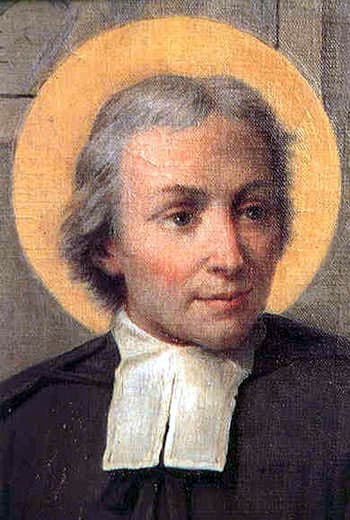
De La Salle Brothers
The De La Salle Brothers, officially the Institute of the Brothers of the Christian Schools (FSC), is a Catholic lay religious congregation founded in France by Jean-Baptiste de La Salle in 1679. Dedicated to providing a human and Christian education, especially to the poor, the institute operates over a thousand educational centers in nearly 80 countries, serving over a million students. While lauded for their educational mission and recognized by the Pope, the order has also faced significant controversy due to admitted long-standing cases of physical and sexual abuse within some of its institutions.
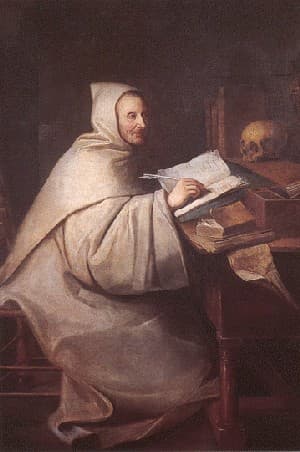
Trappists
The Trappists, officially the Order of Cistercians of the Strict Observance (OCSO), are a Catholic religious order of cloistered monastics that originated from a reform movement within the Cistercians. Founded by Abbot Armand Jean le Bouthillier de Rancé in 1664 at La Trappe Abbey, the order emphasizes a life of penitence, hard manual labor, silence, and isolation from the world, following the Rule of Saint Benedict. While originally part of the Cistercian Order, they formally constituted as a separate order in 1892, known for their austere lifestyle and distinctive products like Trappist beers.

Kapuzinergruft
The Imperial Crypt, also known as the Capuchin Crypt (Kapuzinergruft), is a significant burial chamber located beneath the Capuchin Church and monastery in Vienna, Austria. Established in 1618 and consecrated in 1632, it has served as the primary resting place for members of the House of Habsburg since 1633. The crypt houses the remains of numerous Habsburg royalty, including emperors and empresses, entombed in a variety of sarcophagi, with a resident community of Capuchin friars acting as guardians.