
Prajapati
Prajapati is a significant deity in ancient Vedic religion, primarily known as a creator god and often identified with Brahma. The name "Prajapati" translates to "Lord of the people" or "lord of all born beings" and was applied to various figures in Hindu creation myths, including deities like Agni, Indra, and Vishwakarma, as well as celestial sages. In later traditions, Prajapati also represents the metaphysical concept of Brahman as the primordial matter from which creation arises.
Key Facts
- ›Prajapati is an ancient Vedic deity associated with creation.
- ›The name "Prajapati" means "Lord of the people" or "lord of all born beings."
- ›In Puranic tradition, the title Prajapati was applied to multiple deities involved in creation.
- ›Prajapati is often identified with Brahma, the creator god in Hinduism.
- ›The concept of Prajapati appears in Vedic texts, Upanishads, and post-Vedic literature.
- ›In Jainism, Prajapati is identified as a Kamadeva and a king who became an ascetic.
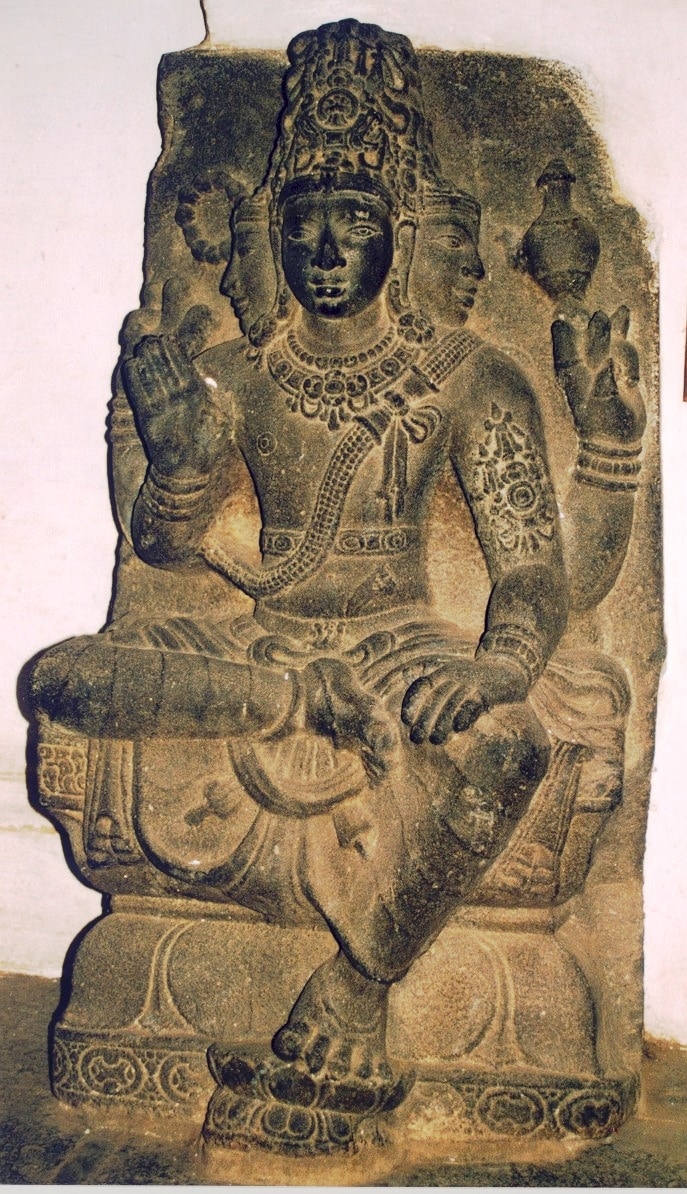
Lord of the people, Lord of creatures, Lord of all born beings, Brahma, Kamadeva (in Jainism)
Vedas, Brahmanas, Upanishads, Mahabharata, Puranas, Bhagavad Gita, Grhyasutras, Jain Scriptures
Pura Prajapati
Creator Deity, Ancient Deity
About Prajapati
Prajapati, a name meaning "Lord of the people" or "lord of all born beings," is a significant deity in ancient Vedic religion and a prominent figure in Hindu mythology. Primarily recognized as a creator god, Prajapati is often identified with Brahma, the principal creator deity in Hinduism. The concept of Prajapati also extends to a metaphysical notion of Brahman as the primordial matter responsible for creation, and the title has been applied to numerous other deities and sages who played roles in the cosmic genesis across various Hindu traditions.
Origins and Evolution
Prajapati's presence is noted in the later Vedic texts, with his profile gradually rising within the Brahmanas. Scholars suggest he may have originated as an abstract deity or even as an epithet for the sun before evolving into a distinct creator figure. His role is described in diverse ways within the Vedas, where he is credited with creating the universe, the heavens, the earth, and all living beings. In some Vedic myths, his creative process is depicted as a gradual, iterative endeavor.
Role in Texts and Traditions
Across Hindu scriptures, Prajapati is depicted with varying attributes. In the Upanishads, he is sometimes presented as the personification of creative power or as a spiritual teacher. Post-Vedic texts, such as the Mahabharata and Puranas, often identify various gods and sages, including Brahma, Vishnu, and Shiva, with the title of Prajapati. The Bhagavad Gita uses the epithet to describe Krishna. In the Grhyasutras, Prajapati is invoked during wedding ceremonies for blessings of progeny and marital harmony.
Comparative Mythology and Jainism
A parallel has been drawn between Prajapati and Phanes from Greco-Roman mythology, particularly concerning their roles as first-born creators emerging from a cosmic egg. In Jain tradition, Prajapati is recognized as a Kamadeva, a figure of great beauty, and also as a king who renounced worldly life to become an ascetic. These interpretations highlight the multifaceted nature of Prajapati across different religious and mythological contexts.
Source: Wikipedia ↗
Frequently Asked Questions
What is the meaning of the name Prajapati?
Prajapati is a Sanskrit term derived from "praja" (creation) and "pati" (lord). It translates to "lord of creatures" or "lord of all born beings."
Who is Prajapati identified with in Hinduism?
In ancient Vedic religion, Prajapati is identified with Brahma, the creator god. In later traditions, the title Prajapati was also applied to other deities and sages who played roles in creation.
Where does Prajapati appear in Hindu scriptures?
Prajapati is described in various Hindu texts, including the Vedas, Upanishads, Mahabharata, and Puranas. His role and identity evolve across these different texts.
What is the origin of Prajapati?
The origins of Prajapati are somewhat unclear, appearing later in the Vedic texts. Scholars suggest he may have originated as an abstract deity or an epithet for the sun, with his significance growing in the Brahmanas.
How is Prajapati depicted in the Vedas?
In the Vedas, Prajapati is described as the creator of the universe, heaven, earth, and all beings. His role peaked in the Brahmanas, where he is depicted as co-creating with the goddess Vac, and in some myths, as a stag who incestuously approaches his daughter Ushas.
What is the significance of Prajapati in Jainism?
In Jain tradition, Prajapati is recognized in two ways: as a Kamadeva, one of the exceptionally beautiful great men, and as a king who renounced the world to become an ascetic. Some traditions identify these two as the same individual.
Related Hindu deities

Durvasa
Durvasa is a legendary sage in Hindu scriptures, known for his irascible nature, short temper, and his ability to bestow both curses and boons. He is considered a partial avatar of Shiva and is revered by both humans and deities. His interactions often involve dramatic events, shaping the destinies of many significant figures in Hindu mythology.
Parashurama
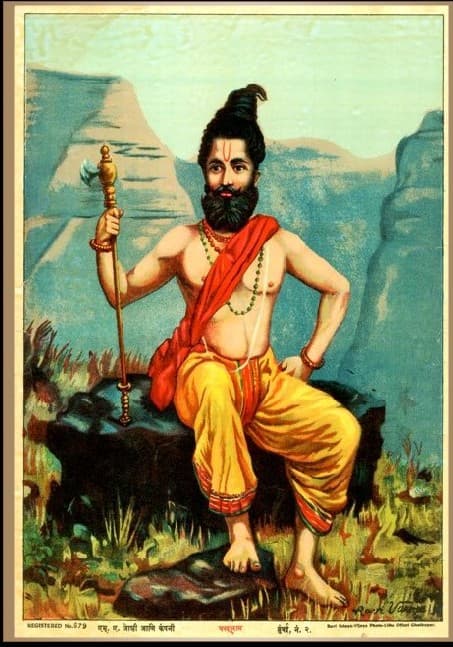
Parashurama is revered as the sixth avatar of Vishnu, known for his righteous fury and role as a warrior-sage. He is considered one of the Chiranjivi (immortals) and is destined to become the guru of Kalki, Vishnu's final incarnation. Parashurama is celebrated for correcting cosmic imbalance by eradicating corrupt Kshatriyas and is associated with the reclamation of land from the sea.
Savitr
Savitṛ is a Vedic deity, an Aditya, whose name signifies "impeller" or "vivifier." He is often associated with the Sun, sometimes identified as the divine influence or vivifying power of the Sun, particularly before sunrise. Savitṛ plays a crucial role in creation and is invoked for spiritual progress, bestowing immortality, and upholding cosmic order.