
Simeon Niger
Simeon Niger was a prophet and teacher in the early Christian church at Antioch, as recorded in the Book of Acts. His epithet "Niger" suggests a dark complexion or African heritage. He is sometimes identified with Simon of Cyrene, who carried Jesus' cross.
Key Facts
- ›Simeon Niger was a prophet and teacher in the church of Antioch.
- ›He is mentioned in the Book of Acts, chapter 13.
- ›His nickname "Niger" is Latin for black, possibly indicating a dark complexion or African descent.
- ›Some scholars identify him with Simon of Cyrene.
- ›His son, Rufus, is sometimes identified with Rufus mentioned in the Epistle to the Romans.
Simon Niger
About Simeon Niger
Simeon Niger is a figure from the early Christian period, mentioned in the New Testament's Book of Acts. He is identified as a prophet and teacher within the burgeoning Christian community in Antioch. His epithet, "Niger," is derived from the Latin word for black, leading many scholars to believe it signifies a dark complexion or suggests African heritage.
Life and Ministry
According to Acts 13:1, Simeon Niger was among the prominent leaders of the church in Antioch, alongside Barnabas, Lucius of Cyrene, Manaen, and Saul. This passage highlights the diverse composition of the early Christian leadership, with individuals from various geographical and ethnic backgrounds.
Historical Interpretations and Connections
Commentators and scholars have explored potential connections for Simeon Niger. One significant theory posits that he is the same individual as Simon of Cyrene, the man compelled by Roman soldiers to carry Jesus' cross on the way to his crucifixion. Further speculation suggests that Simeon's son, Rufus, might be the same Rufus mentioned by the Apostle Paul in his Epistle to the Romans. While these identifications are not definitively proven, they place Simeon Niger within a significant context of early Christian history and tradition.
Source: Wikipedia ↗
Frequently Asked Questions
Who was Simeon Niger?
Simeon Niger was a prophet and teacher in the early Christian church located in Antioch. He is listed among the prominent figures in that community in the Book of Acts.
What does the name "Niger" mean?
The nickname "Niger" is Latin and means "black." It is interpreted by some scholars to refer to Simeon's dark complexion or his African descent.
Is Simeon Niger the same person as Simon of Cyrene?
Some commentators suggest that Simeon Niger may be the same individual as Simon of Cyrene, who famously carried the cross of Jesus. However, this identification is not definitively proven in historical records.
What is Simeon Niger's role in the Bible?
Simeon Niger is mentioned in Acts 13:1 as one of the prophets and teachers in the church at Antioch. He is part of the leadership group that included figures like Barnabas, Manaen, and Saul (later Paul).
Related Saints
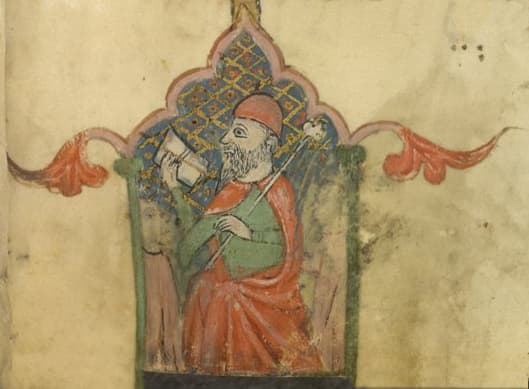
Gamaliel the Rabban
Gamaliel the Rabban was a prominent Pharisaic doctor of Jewish Law and a leading authority on the Sanhedrin in the early first century AD. He is recognized in Jewish tradition for his reputation as a great teacher and his contributions to laws concerning community welfare and conjugal rights. In Christian tradition, he is known as the teacher of Paul the Apostle and for his counsel to the Sanhedrin to show leniency to early Christians.
Alcuin
Alcuin of York was an influential Anglo-Latin scholar, clergyman, poet, and teacher from Northumbria. He is considered one of the most important intellectual architects of the Carolingian Renaissance, significantly shaping education and scholarship at Charlemagne's court. Alcuin is remembered for his theological writings, his role in liturgical reform, and his efforts in standardizing Carolingian minuscule script.
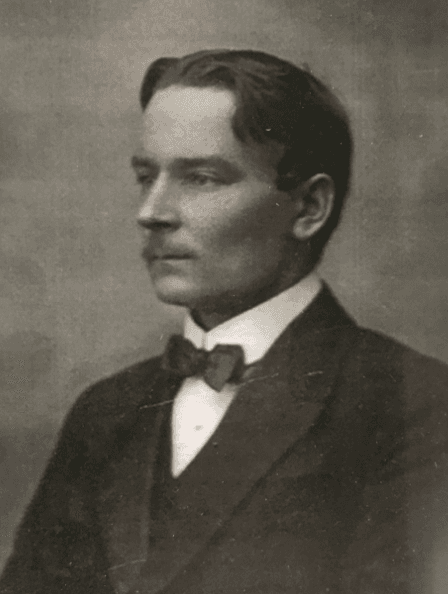
John of Sonkajanranta
John of Sonkajanranta, born Johannes Vasilinpoika Karhapää, was a Finnish Karelian teacher and Eastern Orthodox missionary. He is remembered for his dedication to defending Orthodoxy and establishing Finnish-language Orthodox schools in Karelia, which led to significant controversy and ultimately his martyrdom during the Finnish Civil War. He was canonized in 2018 as a holy martyr and confessor.