
Gamaliel the Rabban
August 2·1st century·Judea
Gamaliel the Rabban was a prominent Pharisaic doctor of Jewish Law and a leading authority on the Sanhedrin in the early first century AD. He is recognized in Jewish tradition for his reputation as a great teacher and his contributions to laws concerning community welfare and conjugal rights. In Christian tradition, he is known as the teacher of Paul the Apostle and for his counsel to the Sanhedrin to show leniency to early Christians.
Key Facts
- ›Gamaliel the Rabban was the son of Simeon ben Hillel and grandson of Hillel the Elder.
- ›He held the titles Nasi and Rabban, indicating his presidency of the Great Sanhedrin in Jerusalem.
- ›In Jewish tradition, he is credited with authoring laws on community welfare and conjugal rights.
- ›The New Testament's Acts of the Apostles identifies him as a teacher of Paul the Apostle.
- ›He famously advised the Sanhedrin to refrain from persecuting the apostles of Jesus, suggesting their work would fail if not of divine origin.
- ›Ecclesiastical tradition claims he embraced early Christianity and was baptized by Saints Peter and John the Apostle.
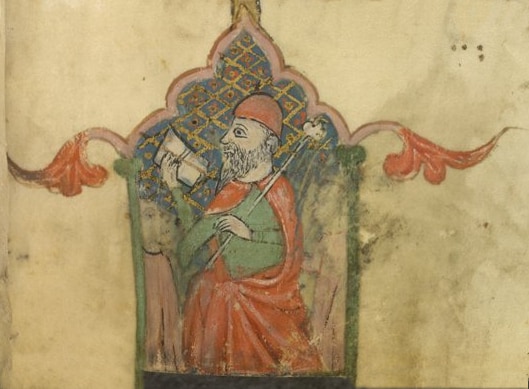
Gamaliel the Elder, Gamliel, Rabban Gamliʾēl haz-Zāqēn, Gamaliēl ho Presbýteros, Rabban Gamaliel I
About Gamaliel the Rabban
Gamaliel the Rabban, also known as Gamaliel the Elder or Rabban Gamaliel I, was a highly influential figure in Jewish religious and legal circles in the early first century AD. He was a leading authority within the Sanhedrin, the supreme Jewish court in Jerusalem, and a respected Pharisaic doctor of Jewish Law. His lineage traces back to prominent Jewish scholars, being the son of Simeon ben Hillel and the grandson of the esteemed Hillel the Elder.
Role in Jewish Tradition
In rabbinic literature, Gamaliel is consistently depicted as holding a senior position within the Sanhedrin, bearing the respected titles of Nasi (prince) and Rabban (our master). He is remembered for his contributions to Jewish law, particularly in matters of community welfare and marital rights, advocating for women's protection during divorce proceedings and establishing the sufficiency of a single witness for a husband's death for remarriage purposes. While rabbinic texts do not portray him as a direct perpetuator of the Mishnaic tradition in the same way as his predecessors, his authority on religious law is suggested by anecdotes where 'the king and queen' sought his advice. He is also noted for sending epistles regarding religious rulings to various Jewish communities.
Significance in the New Testament
The New Testament, specifically the Acts of the Apostles, presents Gamaliel as a significant figure in the context of early Christianity. He is introduced as a Pharisee and a doctor of the Mosaic Law who advised the Sanhedrin to exercise caution and leniency towards the apostles of Jesus. His argument, based on historical precedents of failed rebellions, suggested that if the apostles' work was not divine, it would naturally fail, but if it were divine, opposing it would be futile. Furthermore, Paul the Apostle recounts being brought up in Jerusalem and taught "at the feet of Gamaliel," indicating Gamaliel's role as his teacher, though the extent of his influence on Paul's later beliefs remains a subject of scholarly discussion.
Veneration and Legacy
Ecclesiastical tradition holds that Gamaliel eventually embraced early Christianity and was baptized by Saints Peter and John the Apostle. Some accounts suggest he maintained secrecy about his conversion to aid early Christians covertly. The Eastern Orthodox Church venerates him as a saint, commemorating him on August 2, the traditional date of the discovery of his relics. The Catholic Church also marks the finding of his relics on August 3. His relics were said to have been miraculously transported to Pisa Cathedral in the fifth century. Gamaliel's legacy endures through his dual role as a pivotal figure in Jewish legal scholarship and a symbol of tolerance in the nascent stages of Christianity.
Source: Wikipedia ↗
Frequently Asked Questions
Who was Gamaliel the Rabban?
Gamaliel the Rabban was a leading authority in the Sanhedrin in the early first century AD and a prominent Pharisaic doctor of Jewish Law. He was the grandson of the renowned teacher Hillel the Elder.
What is Gamaliel's role in the New Testament?
In the Acts of the Apostles, Gamaliel is identified as a respected teacher of the Mosaic Law and the mentor of Paul the Apostle. He is also recorded as advising the Sanhedrin to be lenient towards the apostles of Jesus.
What is Gamaliel remembered for in Jewish tradition?
In Jewish tradition, Gamaliel is highly regarded as one of the greatest teachers in Judaism and held the title Rabban, signifying his presidency of the Sanhedrin. He is credited in the Mishnah with authoring laws concerning community welfare and conjugal rights.
What is the tradition regarding Gamaliel's conversion?
Ecclesiastical tradition suggests that Gamaliel embraced early Christianity and was baptized by Saints Peter and John the Apostle, along with his son. Some traditions claim he maintained his conversion in secret to assist early Christians from within the Sanhedrin.
When is Gamaliel's feast day?
The Eastern Orthodox Church venerates Gamaliel as a saint and commemorates him on August 2, the traditional date for the finding of his relics. The Catholic Church celebrates the finding of his relics on August 3.
Related Saints
Simeon Niger
Simeon Niger was a prophet and teacher in the early Christian church at Antioch, as recorded in the Book of Acts. His epithet "Niger" suggests a dark complexion or African heritage. He is sometimes identified with Simon of Cyrene, who carried Jesus' cross.
Alcuin
Alcuin of York was an influential Anglo-Latin scholar, clergyman, poet, and teacher from Northumbria. He is considered one of the most important intellectual architects of the Carolingian Renaissance, significantly shaping education and scholarship at Charlemagne's court. Alcuin is remembered for his theological writings, his role in liturgical reform, and his efforts in standardizing Carolingian minuscule script.
John of Sonkajanranta
John of Sonkajanranta, born Johannes Vasilinpoika Karhapää, was a Finnish Karelian teacher and Eastern Orthodox missionary. He is remembered for his dedication to defending Orthodoxy and establishing Finnish-language Orthodox schools in Karelia, which led to significant controversy and ultimately his martyrdom during the Finnish Civil War. He was canonized in 2018 as a holy martyr and confessor.