
John of Sonkajanranta
March 8·20th century·Finland
John of Sonkajanranta, born Johannes Vasilinpoika Karhapää, was a Finnish Karelian teacher and Eastern Orthodox missionary. He is remembered for his dedication to defending Orthodoxy and establishing Finnish-language Orthodox schools in Karelia, which led to significant controversy and ultimately his martyrdom during the Finnish Civil War. He was canonized in 2018 as a holy martyr and confessor.
Key Facts
- ›He was born Johannes Vasilinpoika Karhapää in Sonkajanranta village, Ilomantsi.
- ›He worked as a teacher and catechist, advocating for Finnish-language Orthodox schools.
- ›His activities were seen as pro-Russian by nationalists, leading to accusations of Russification and espionage.
- ›He was arrested by White Guards during the Finnish CIVIL War and executed in Joensuu.
- ›He was canonized by the Ecumenical Patriarchate of Constantinople in 2018.
- ›His feast day is celebrated on March 8.
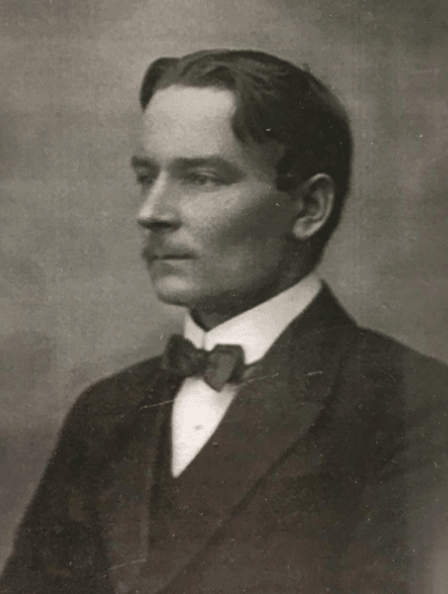
- Johannes Vasilinpoika Karhapää
- Ivan Vasilievich Karhapää
- Holy Martyr and Confessor John of Sonkajanranta
Icon
About John of Sonkajanranta
John of Sonkajanranta, born Johannes Vasilinpoika Karhapää (1884–1918), was a Finnish Karelian teacher and an Eastern Orthodox missionary who was martyred during the Finnish Civil War. He is venerated as a holy martyr and confessor in the Orthodox Church.
Life and historical context
Born in Ilomantsi, Karhapää developed a strong Orthodox faith from a young age. He became involved in the Saints Sergius and Herman Brotherhood, an organization that established Russian-language schools in Karelia. Karhapää was concerned about the growing Lutheran mission work in his region and sought to defend Orthodoxy. Through his efforts, an association called the Orthodox Association was founded in Sonkajanranta, which, with the blessing of Archbishop Sergius of Finland, established a Finnish-language Orthodox school in 1907. This school provided education, housing, and meals for students and also served as a center for adult enlightenment.
Karhapää's work extended beyond teaching; he also served as a catechist, traveling with hieromonks to sell religious literature and conduct Christian events. In 1914, he was appointed a religion teacher for the entire Kuopio Province. However, his dedicated work for the Orthodox faith and his perceived association with the tsarist regime made him a target of criticism and slander. He was accused of being a henchman of the tsarist regime, a spy, and a propagator of the "Russian faith." These accusations intensified after the Russian Revolution of 1917, leading to his dismissal from his teaching position and loss of support from Archbishop Serafim.
Imprisonment and death
In March 1918, during the Finnish Civil War, Karhapää and his brother were arrested by the White Guards in Tuupovaara. An incriminating piece of evidence was a small icon found in Karhapää's coat. He was taken to Joensuu, where he was imprisoned with other prisoners. In early March 1918, Karhapää was executed by firing squad in Joensuu. Accounts vary regarding the exact date of his death, with some sources indicating March 7, while others suggest it was closer to Easter or even April 14.
Canonization and legacy
After his death, Karhapää's wife struggled to retrieve his body, which was eventually buried in Ilomantsi. The slander against him continued even after his death. In 2016, the Synod of Bishops of the Finnish Orthodox Church proposed his canonization, and in 2018, the Holy Synod of the Ecumenical Patriarchate of Constantinople officially recorded his name in the Hagiologion of the Orthodox Church. His liturgical canonization took place in July 2019. John of Sonkajanranta is remembered for his commitment to his faith and his educational work, and his sacrifice during a time of civil unrest.
Source: Wikipedia ↗
Frequently Asked Questions
Who was John of Sonkajanranta?
John of Sonkajanranta, born Johannes Vasilinpoika Karhapää, was a Finnish Karelian teacher and an Eastern Orthodox missionary. He was known for his strong Orthodox faith and his work in establishing schools.
Why was John of Sonkajanranta controversial?
His efforts to establish Finnish-language Orthodox schools were perceived by some Finnish nationalists as a form of Russification, leading to accusations of being a tsarist agent and spy. He also faced opposition from within the Orthodox community by 1917.
How did John of Sonkajanranta die?
He was arrested by the White Guards during the Finnish Civil War in March 1918, based on accusations and the discovery of a small icon intended for school instruction. He was executed by firing squad in Joensuu.
When was John of Sonkajanranta canonized?
He was canonized in 2018 by the Holy Synod of the Ecumenical Patriarchate of Constantinople. His liturgical canonization ceremony was held in July 2019.
What is his feast day?
His yearly feast day is celebrated on March 8.
What was his role in establishing schools?
He was instrumental in founding an Orthodox church school in Sonkajanranta with Finnish as the medium of instruction. He also worked as a catechist and religion teacher, promoting Christian events and literature.
Related Saints
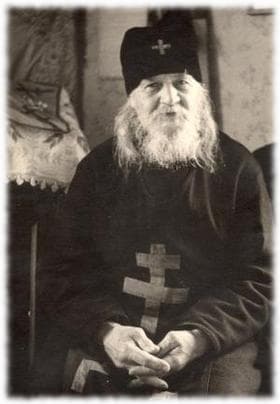
John of Valamo
Schema-Igumen John, born Ivan Alekseyevich Alekseyev, was a Russian monk and head of the Petsamo Monastery who is venerated as St. John of Valamo. He is remembered for his deep spiritual guidance, his quiet dignity during times of hardship, and his published letters offering spiritual advice. His canonization by the Finnish Orthodox Church in 2019 solidified his status as a significant spiritual figure.
Henry of Uppsala
Henry of Uppsala was a medieval English clergyman, likely intended to be the Archbishop of Uppsala, who is traditionally believed to have organized the Church in Finland. He is chiefly remembered as a martyr and the patron saint of the Catholic Church in Finland, though the historical authenticity of his life and ministry is widely disputed.

Olga of Alaska
Olga of Alaska was a Yup'ik Native American Eastern Orthodox midwife, healer, and matushka who became the first North American woman and the first Yup'ik person to be canonized as an Eastern Orthodox saint. She is remembered for her deep faith, charitable works, and her role as a spiritual counselor, particularly to women. Her canonization in 2025 followed numerous reported miracles and a long period of veneration.