
Gamaliel
Gamaliel the Elder was a prominent Pharisaic authority and doctor of Jewish Law in the Sanhedrin during the early first century AD. He is noted for his role as a teacher and for advocating leniency towards the early Christian apostles. His son, Simeon ben Gamliel, also became a significant figure in Jewish tradition.
Key Facts
- ›He was a leading authority in the Sanhedrin, serving as president of the Great Sanhedrin in Jerusalem.
- ›Gamaliel was the son of Simeon ben Hillel and grandson of the renowned teacher Hillel the Elder.
- ›He is identified in the New Testament as the teacher of Paul the Apostle.
- ›In Jewish tradition, he is credited with authorship of some laws concerning community welfare and conjugal rights.
- ›He advocated for leniency towards the early Christian apostles, urging the Sanhedrin to "refrain from these men, and let them alone."
- ›He is venerated as a saint in the Eastern Orthodox Church and commemorated on August 2nd.
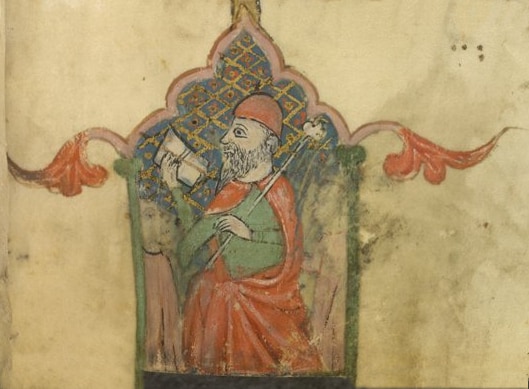
Gamliel, Rabban Gamliʾēl haz-Zāqēn, Gamaliēl ho Presbýteros, Rabban Gamaliel I
Teacher, Authority, Legal Scholar
Acts 5:34–40, Acts 22:3
Leniency, Wisdom
Simeon Ben Hillel, Hillel the Elder, Simeon Ben Gamliel, Simon Ben Nathanael, Paul the Apostle, Peter, Herod Agrippa, Cypros the Nabataean, Herod Agrippa Ii, Berenice, Theudas, Judas of Galilee, Stephen the Protomartyr, Abibon, Nicodemus
Alleged Gospel of Gamaliel, Lament of Mary, Acts of LlàTzer
About Gamaliel
Gamaliel the Elder
Gamaliel the Elder, also known as Gamliel or Rabban Gamaliel I, was a preeminent figure in early first-century Jewish religious and legal leadership. He held a crucial position as a leading authority and president of the Great Sanhedrin in Jerusalem. As the son of Simeon ben Hillel and grandson of the influential Rabbi Hillel the Elder, Gamaliel inherited a legacy of scholarly tradition and legal interpretation.
Role in Jewish Tradition
Within Jewish tradition, Gamaliel is recognized for his significant authority on questions of religious law. The Mishnah attests to his esteemed reputation, lamenting a decline in reverence for the law, purity, and piety after his death. Anecdotes suggest he was consulted by royalty, possibly Herod Agrippa and his wife, or Herod Agrippa II and his sister Berenice, on ritual matters. He is also credited with authorship of certain laws concerning community welfare and conjugal rights, advocating for women's protection during divorce and the sufficiency of a single witness to confirm a husband's death for remarriage.
New Testament Accounts
The Book of Acts in the New Testament introduces Gamaliel as a respected Pharisee and doctor of Jewish Law. He is notably mentioned in Acts 5:34–40 for his intervention in a Sanhedrin proceeding against the apostles of Jesus. Gamaliel's pragmatic counsel, drawing on historical precedents, persuaded the council to release them, urging them to consider the divine origin of their movement. Furthermore, the Acts of the Apostles (Acts 22:3) records Paul the Apostle recounting that he was raised in Jerusalem and taught "at the feet of Gamaliel," indicating Gamaliel's role as Paul's teacher in Jewish law and tradition.
Veneration and Legacy
Ecclesiastical tradition, though considered spurious by some scholars, claims Gamaliel embraced early Christianity and was baptized by Saint Peter and John the Apostle. The Eastern Orthodox Church venerates him as a saint, commemorating the finding of his relics on August 2nd. His influence is recognized through his scholarly legacy and his notable appearances in both Jewish and early Christian texts, marking him as a pivotal figure bridging these traditions.
Source: Wikipedia ↗
Frequently Asked Questions
Who was Rabban Gamaliel the Elder?
Rabban Gamaliel the Elder was a highly respected Pharisaic authority and a leading member of the Sanhedrin in Jerusalem during the early first century AD. He was known for his wisdom in Jewish Law and his significant role in rabbinic tradition.
What is Gamaliel's connection to Paul the Apostle?
The Book of Acts in the New Testament states that Paul the Apostle was brought up in Jerusalem and taught "at the feet of Gamaliel" according to the law of the fathers. This indicates Gamaliel was Paul's teacher in Jewish law.
What was Gamaliel's stance on the early Christian apostles?
In the Book of Acts, Gamaliel famously advised the Sanhedrin to show leniency to the apostles of Jesus. He argued that if their work was not from God, it would fail on its own, but if it was from God, they should not fight against it.
What contributions did Gamaliel make to Jewish Law?
While rabbinic literature does not portray him as a direct perpetuator of the Mishnaic tradition, Gamaliel is mentioned as the author of a few laws related to community welfare and conjugal rights. He argued for protections for women during divorce and for the sufficiency of a single witness to prove a husband's death for remarriage purposes.
Is Gamaliel considered a saint?
Yes, Gamaliel is venerated as a saint in the Eastern Orthodox Church. He is commemorated on August 2nd, the traditional date for the finding of his relics.
What is the significance of Gamaliel in Jewish tradition?
In Jewish tradition, Gamaliel is described as bearing the titles Nasi (prince) and Rabban (our master), indicating his high status as president of the Great Sanhedrin. He is remembered for his wisdom, with the Mishnah stating that after his death, "there has been no more reverence for the law."
Related Angels

Abaddon
Abaddon, a term originating from Hebrew meaning "destruction" and its Greek equivalent Apollyon meaning "Destroyer," initially referred to a place of destruction or the realm of the dead in the Hebrew Bible. In the New Testament's Book of Revelation, Abaddon is depicted as an angel of the abyss and the king of a locust army, though his identity and role have been subject to various interpretations across different Christian traditions.
Adriel
Adriel was a nobleman from the ancient kingdom of Israel, mentioned in the Bible. His name, derived from Hebrew, signifies "flock of God." He is primarily known through biblical accounts detailing his marital relationships with two of King Saul's daughters, Merab and potentially Michal.
Agiel
Agiel is identified as the Intelligence or beneficial spirit associated with the planet Saturn. He is mentioned in esoteric texts like the Key of Solomon, where he is described as a spirit that can be invoked. Agiel's role is often linked to the beneficial influences and operations connected to Saturn.