
Simeon Niger
Male·1st century·Modern·Church of Antioch
Simon Niger was a prophet and teacher in the early Christian church at Antioch, as recorded in the Book of Acts. His epithet "Niger" suggests a possible dark complexion or African heritage, as "niger" is the Latin word for black. He is recognized as one of the foundational figures in the Antiochian church, contributing to its early leadership and spiritual guidance.
Key Facts
- ›Mentioned in Acts 13:1 as a prophet and teacher in the church of Antioch.
- ›His nickname "Niger" is interpreted by some to mean "black," possibly indicating a dark complexion or African descent.
- ›He was part of a group of prominent leaders in the Antioch church, including Barnabas, Lucius of Cyrene, Manaen, and Saul (later Paul).
- ›Some commentators suggest he might be the same individual as Simon of Cyrene, and his son Rufus the same as the Rufus mentioned in Romans 16.
Book of Acts
Prophecy, Teaching
Simon called Niger
Barnabas, Lucius of Cyrene, Manaen, Saul, Simon of Cyrene, Rufus
Prophet, Teacher
Prophet, Biblical Figure
About Simeon Niger
Simon Niger
Simon Niger is a figure mentioned in the New Testament, specifically in the Book of Acts, as one of the prophets and teachers in the early Christian church at Antioch. His presence is noted in Acts 13:1, where he is listed among the prominent leaders of this community. The epithet "Niger" attached to his name is interpreted by some scholars to mean "black," suggesting a possible dark complexion or African ancestry, given that "niger" is the Latin word for black.
Life and Ministry in Antioch
As a prophet and teacher, Simon Niger played a significant role in the spiritual and organizational development of the church in Antioch. This city was a crucial center for early Christianity, serving as a base for missionary activities. Simon's contribution, alongside other notable figures such as Barnabas, Lucius of Cyrene, Manaen, and Saul (later the Apostle Paul), underscores the diverse leadership and intellectual vibrancy of this early Christian community.
Possible Identifications and Interpretations
Commentators have explored potential connections between Simon Niger and other biblical figures. Some scholars suggest that Simon Niger might be the same individual as Simon of Cyrene, who is traditionally known for carrying Jesus' cross. Furthermore, there is speculation that Simon Niger's son, Rufus, is the same Rufus mentioned by the Apostle Paul in his Epistle to the Romans. While these identifications are subjects of scholarly discussion, they are not definitively confirmed within the biblical narrative.
Significance
Simon Niger's inclusion in the Book of Acts serves as an important historical marker. It highlights the participation of individuals from various backgrounds, potentially including those of African descent, in the foundational leadership of Christianity. His role as a prophet and teacher signifies his spiritual authority and his contribution to the dissemination and understanding of Christian teachings during the church's formative years.
Source: Wikipedia ↗
Frequently Asked Questions
Who was Simon Niger?
Simon Niger was an early Christian leader mentioned in the Book of Acts. He served as a prophet and teacher in the church located in Antioch.
What does the name 'Niger' mean?
The nickname 'Niger' is interpreted by some scholars to mean 'black.' This interpretation suggests that Simon may have had a dark complexion or an African background, as 'niger' is the Latin word for black.
What was Simon Niger's role in the church of Antioch?
Simon Niger was recognized as one of the prophets and teachers within the church of Antioch. This indicates he held a significant spiritual and leadership position, guiding the community through teaching and prophetic insight.
Is Simon Niger the same person as Simon of Cyrene?
Some commentators have identified Simon Niger with Simon of Cyrene, the man traditionally believed to have carried Jesus' cross. However, this identification is not definitively established in historical or biblical texts.
Related Prophets
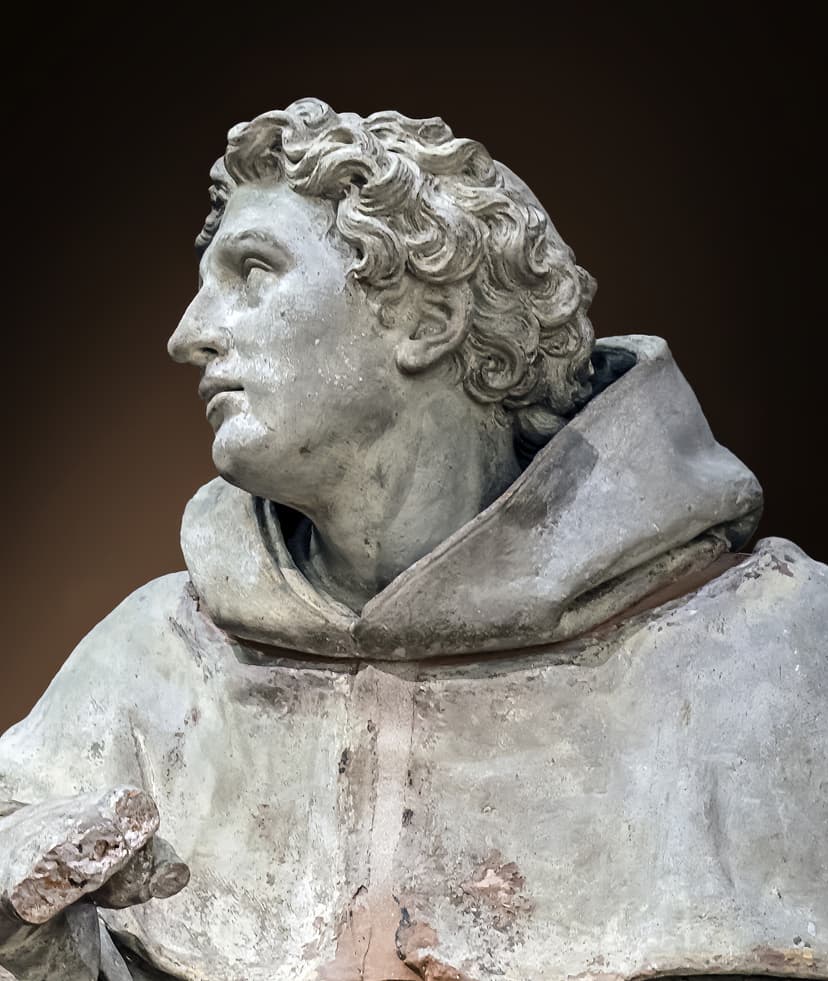
Agabus
Agabus was an early follower of Christianity and a prophet mentioned in the Acts of the Apostles. He is known for his prophetic predictions, including a widespread famine during the reign of Emperor Claudius and warning Paul the Apostle about his impending arrest in Jerusalem. Agabus is also traditionally considered one of the Seventy Disciples.
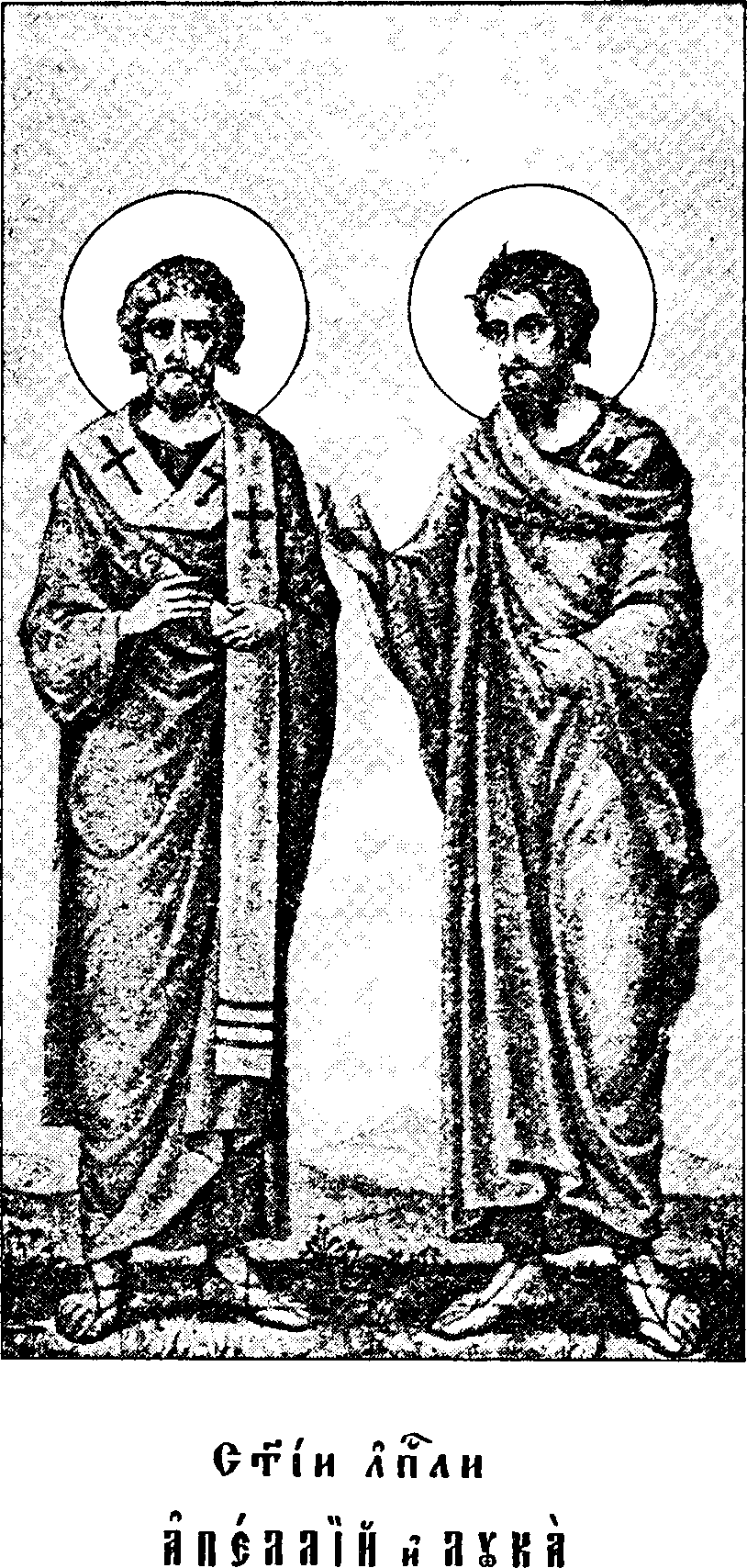
Lucius of Cyrene
Lucius of Cyrene, also known as Luke and Lucius of Laodicea, is recognized in early Christian tradition as a significant figure in the founding of the Church in Antioch. According to the Acts of the Apostles, he was among the prophets and teachers in Antioch, involved in the commissioning of Barnabas and Paul for missionary work. He is also considered by some traditions to be one of the Seventy Disciples and a bishop.
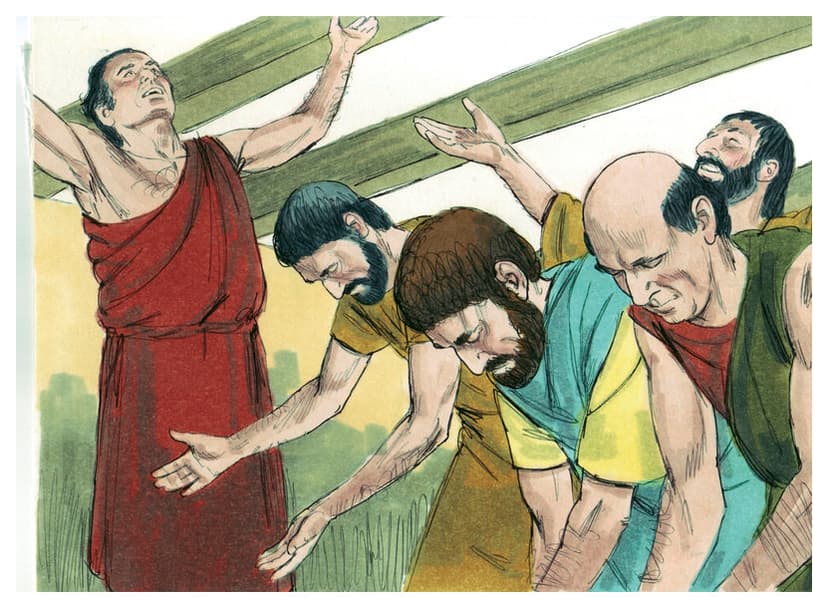
Manaen
Manaen was a first-century teacher and prophet in the Christian Church at Antioch, known for his upbringing with Herod Antipas. He is recognized in the Acts of the Apostles for his role in sending Paul and Barnabas on their first missionary journey and is likely one of the founders of the Church of Antioch. Manaen is venerated in both the Eastern Orthodox and Roman Catholic Churches.