
Agabus
Male·1st century·Middle East·Early Christianity
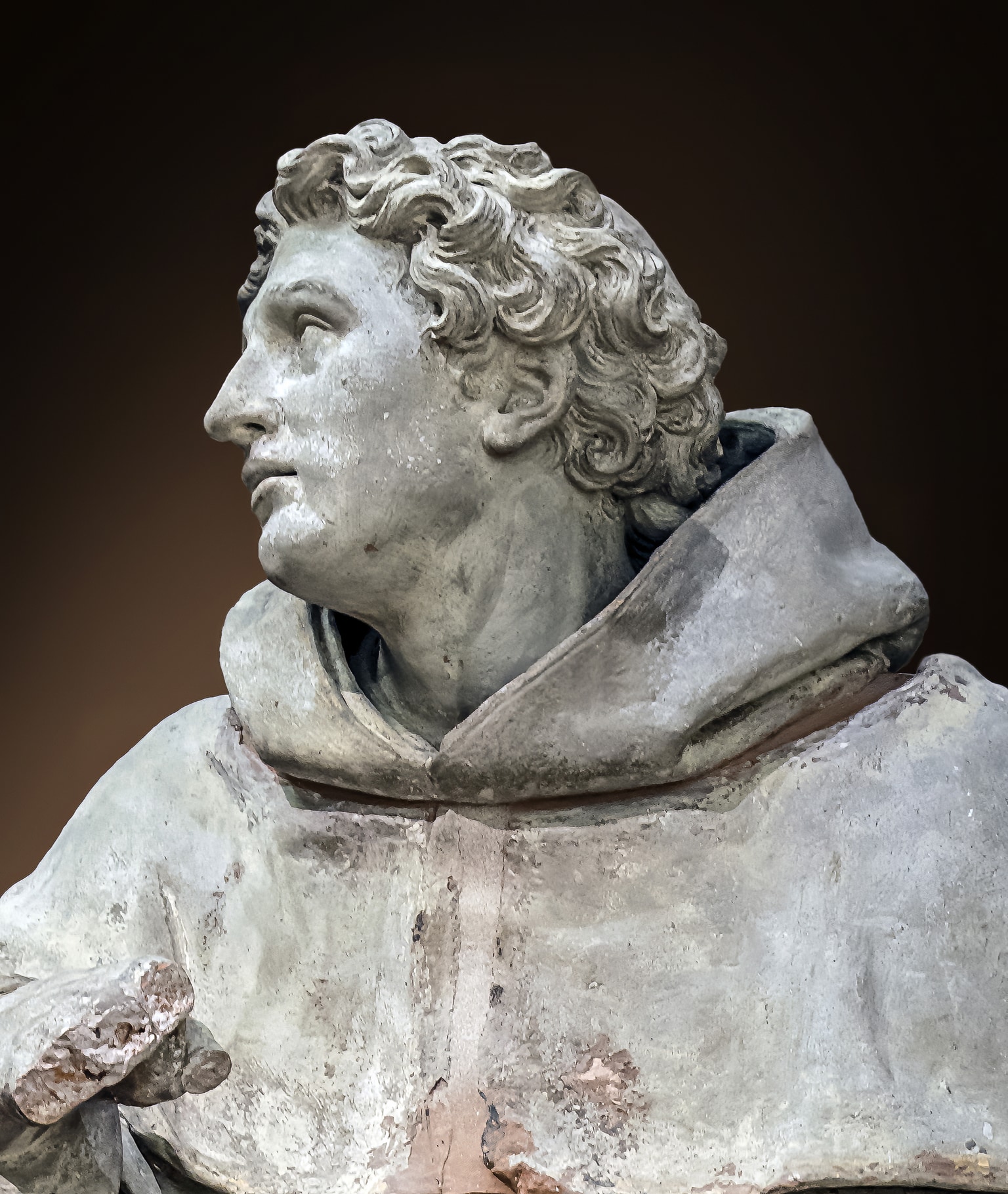
Agabus was an early follower of Christianity and a prophet mentioned in the Acts of the Apostles. He is known for his prophetic predictions, including a widespread famine during the reign of Emperor Claudius and warning Paul the Apostle about his impending arrest in Jerusalem. Agabus is also traditionally considered one of the Seventy Disciples.
Key Facts
- ›Predicted a severe famine that occurred during the reign of Emperor Claudius.
- ›Warned Paul the Apostle of his capture in Jerusalem by binding his own feet and hands with Paul's belt.
- ›Traditionally identified as one of the Seventy Disciples commissioned to preach the gospel.
- ›Reported to have traveled from Jerusalem to Antioch with other prophets.
- ›His name is derived from the Aramaic word 'Ḥagab,' meaning 'Grasshopper'.
- ›Traditionally believed to have been martyred by stoning in Antioch.
Acts of the Apostles
Prophecy
Hágabos
Paul the Apostle, Jesus
Prophet, Saint
Prophet, Biblical Figure
About Agabus
Agabus was an early Christian prophet whose ministry is recorded in the Book of Acts in the New Testament. His name, derived from the Aramaic word for "Grasshopper," may have been a nickname.
Prophetic Ministry
According to the biblical account, Agabus possessed the gift of prophecy. He is most notably mentioned on two occasions. Firstly, he was part of a group of prophets who traveled from Jerusalem to Antioch and foretold a severe famine that would soon afflict the whole world, which occurred during the reign of Emperor Claudius.
Secondly, in AD 58, Agabus met the Apostle Paul in Caesarea Maritima. In a dramatic, symbolic act, Agabus took Paul's belt, bound his own hands and feet with it, and prophesied that Paul would be bound in Jerusalem by the Jews and handed over to the Gentiles. This warning, though dire, did not deter Paul from his planned journey to Jerusalem.
Traditional Accounts and Veneration
Beyond the biblical narrative, extrabiblical tradition places Agabus as a resident of Jerusalem and one of the Seventy Disciples commissioned by Jesus to preach the gospel. Some traditions suggest he was present in the upper room on the day of Pentecost.
Further tradition describes Agabus as having traveled extensively, converting many people. These traditions also relate that he was arrested by the Jews in Jerusalem, severely tortured, and stoned to death, with some sources indicating his martyrdom occurred in Antioch. His feast day is observed by the Catholic Church on February 13 and by Eastern Christians on March 8.
Source: Wikipedia ↗
Frequently Asked Questions
Who was Agabus?
Agabus was an early Christian prophet mentioned in the Book of Acts. He is recognized for his prophetic gift and his role in warning early Christians about future events.
What prophecies did Agabus make?
Agabus famously predicted a severe famine that would affect the Roman world during the reign of Emperor Claudius. He also prophesied the arrest of Paul the Apostle in Jerusalem.
What is the meaning of the name Agabus?
The name Agabus is believed to derive from the Aramaic word 'Ḥagab,' which translates to 'Grasshopper.' This might have been a nickname or a pseudonym.
How did Agabus warn Paul?
Agabus met Paul in Caesarea and, using a symbolic action, bound his own hands and feet with Paul's belt. He declared that this demonstrated how the owner of the belt would be bound in Jerusalem.
Is Agabus considered one of the disciples?
Extrabiblical tradition identifies Agabus as one of the Seventy Disciples mentioned in the Gospel of Luke, who were commissioned to preach the gospel.
What happened to Agabus traditionally?
According to tradition, Agabus traveled widely, teaching and converting many. He is said to have been arrested by Jews in Jerusalem, severely tortured, and ultimately stoned to death, with some traditions placing his martyrdom in Antioch.
When is Agabus' feast day?
The Catholic Church commemorates Agabus on February 13th, while Eastern Christians celebrate his feast day on March 8th.
Related Prophets
Judas Barsabbas
Judas Barsabbas was a prophet and a prominent leader in the early Christian community of Jerusalem around 50 AD. He is known for his role in the Council of Jerusalem, where he was chosen to help deliver the council's decision to the church in Antioch. Alongside Silas, he was recognized for his prophetic abilities and for strengthening believers.
Anna
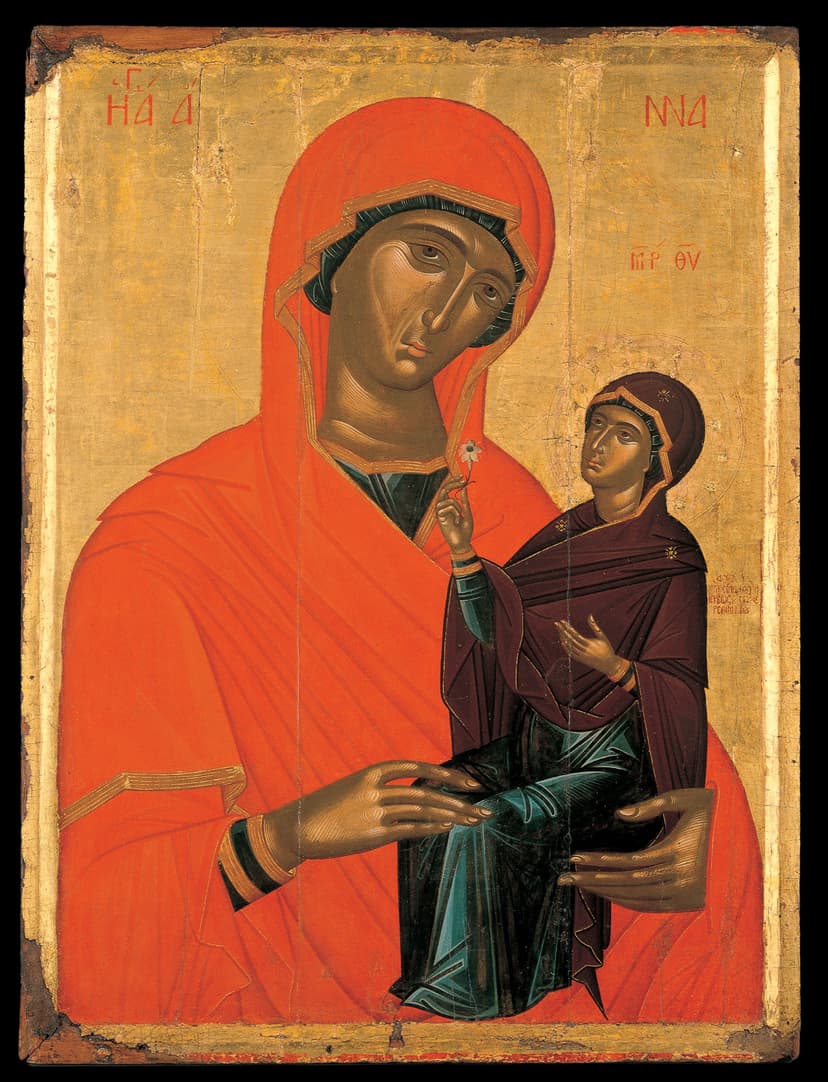
Saint Anne is revered in Christian tradition as the mother of the Virgin Mary and the maternal grandmother of Jesus. Although not named in the canonical biblical gospels, her story and that of her husband Joachim are detailed in New Testament apocrypha, most notably the Gospel of James. Anne is a significant figure in Christian devotion, particularly from the Middle Ages onwards, and is venerated in various Eastern and Western churches.

Elisha
Elisha was an Israelite prophet and wonder-worker mentioned in the Hebrew Bible, New Testament, and Quran, revered in Judaism, Christianity, and Islam. He served as an advisor to several kings of Judah and was known for performing numerous miracles, often in succession to the prophet Elijah. Elisha's ministry is primarily documented in the Books of Kings, where he is depicted as a powerful figure who corrected kings and leaders and intervened in various significant events.