
Judas Barsabbas
Male·1st century·Middle East·Early Christianity
Judas Barsabbas was a prophet and a prominent leader in the early Christian community of Jerusalem around 50 AD. He is known for his role in the Council of Jerusalem, where he was chosen to help deliver the council's decision to the church in Antioch. Alongside Silas, he was recognized for his prophetic abilities and for strengthening believers.
Key Facts
- ›A prophet and 'leading man' in the Jerusalem church.
- ›Participated in the Council of Jerusalem around 50 AD.
- ›Delegated to accompany Paul and Barnabas to Antioch.
- ›Carried the Council's letter resolving the gentile circumcision controversy.
- ›Described as a prophet who encouraged and strengthened believers.
- ›Returned to Jerusalem after a stay in Antioch, while Silas remained in Antioch.
Prophecy
Silas, Paul, Barnabas
Prophet
Prophet
About Judas Barsabbas
Judas Barsabbas was a significant prophet and a leading figure within the early Christian community centered in Jerusalem. His ministry and involvement are documented in the New Testament, particularly in the Book of Acts, placing him at a crucial juncture in the development of early Christianity around 50 AD.
Role in the Council of Jerusalem
Judas Barsabbas is primarily known for his participation in the Council of Jerusalem, a pivotal event that addressed theological disputes within the burgeoning church. He, along with Silas, was designated as one of the 'leading men among the brothers' to accompany the apostles Paul and Barnabas. Their mission was to travel to Antioch and deliver a letter from the council, which provided a resolution to the contentious issue of whether gentile converts needed to be circumcised. This act was instrumental in shaping the early doctrines and practices of Christianity, ensuring a more inclusive path for non-Jewish believers.
Prophetic Ministry
Beyond his administrative and representative duties, Judas Barsabbas was recognized for his spiritual gifts. The Book of Acts explicitly identifies him and Silas as prophets. During their stay in Antioch, they are described as having spoken extensively, offering encouragement and strengthening the faith of the believers. This highlights his role not just as a leader but also as a spiritual guide.
Later Life and Associations
Following their mission to Antioch, Judas Barsabbas eventually returned to Jerusalem, while Silas remained in Antioch to continue his work. Judas Barsabbas's life and ministry are thus closely intertwined with the foundational period of the church, supporting figures like Paul and Barnabas and contributing to the theological clarity and spiritual resilience of the early Christian movement.
Source: Wikipedia ↗
Frequently Asked Questions
Who was Judas Barsabbas?
Judas Barsabbas was a prophet and a leading figure in the early Christian community in Jerusalem during the time of the Council of Jerusalem, around 50 AD. He is mentioned in the Book of Acts.
What was Judas Barsabbas's role in the Council of Jerusalem?
At the Council of Jerusalem, Judas Barsabbas was selected, along with Silas, to accompany Paul and Barnabas to Antioch. Their mission was to deliver the council's letter that addressed the controversy concerning the circumcision of gentile believers.
What were Judas Barsabbas's prophetic gifts?
The Book of Acts describes Judas Barsabbas, along with Silas, as prophets. They were noted for speaking extensively to encourage and strengthen the believers in Antioch during their visit.
What happened to Judas Barsabbas after the Council of Jerusalem?
After spending time in Antioch with Paul and Barnabas, Judas Barsabbas returned to Jerusalem. Silas, however, remained in Antioch.
Related Prophets
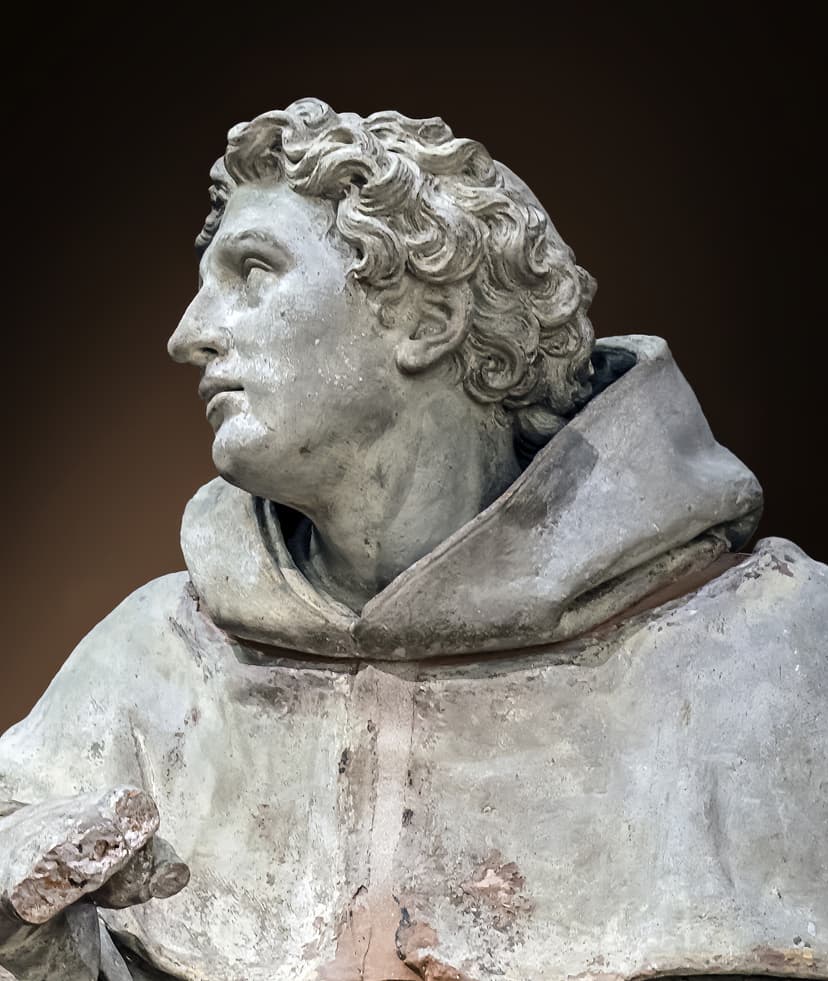
Agabus
Agabus was an early follower of Christianity and a prophet mentioned in the Acts of the Apostles. He is known for his prophetic predictions, including a widespread famine during the reign of Emperor Claudius and warning Paul the Apostle about his impending arrest in Jerusalem. Agabus is also traditionally considered one of the Seventy Disciples.
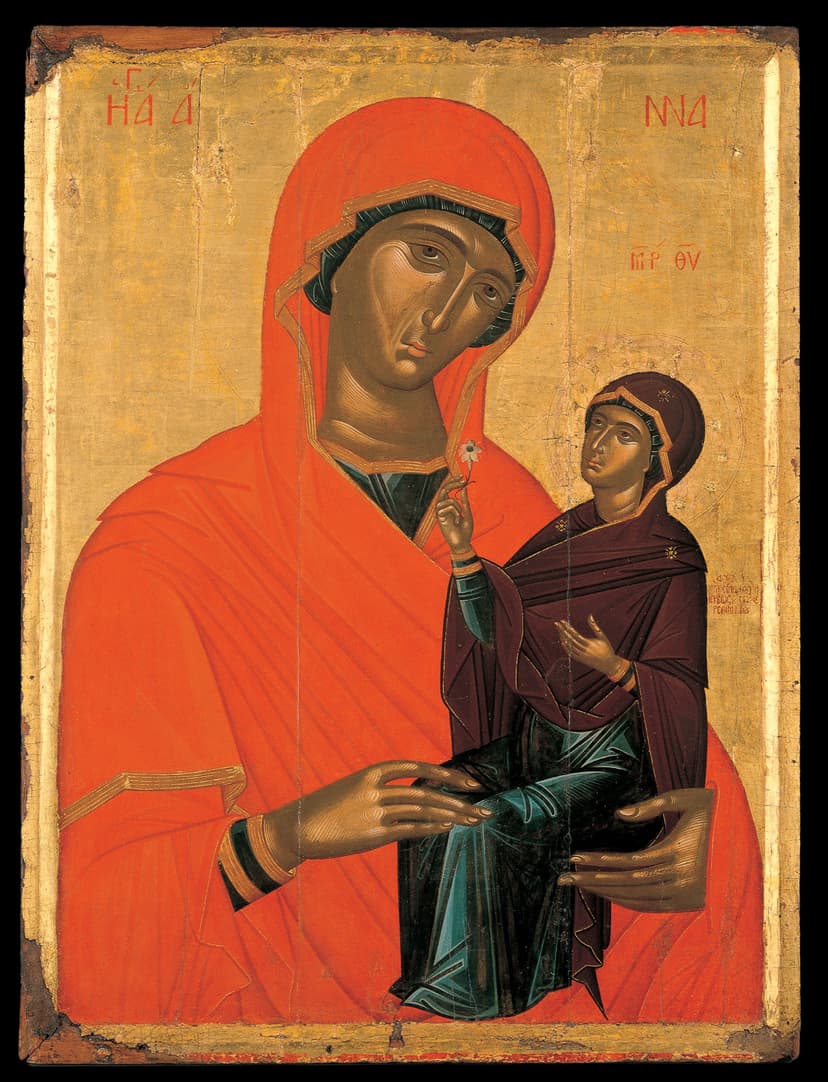
Anna
Saint Anne is revered in Christian tradition as the mother of the Virgin Mary and the maternal grandmother of Jesus. Although not named in the canonical biblical gospels, her story and that of her husband Joachim are detailed in New Testament apocrypha, most notably the Gospel of James. Anne is a significant figure in Christian devotion, particularly from the Middle Ages onwards, and is venerated in various Eastern and Western churches.
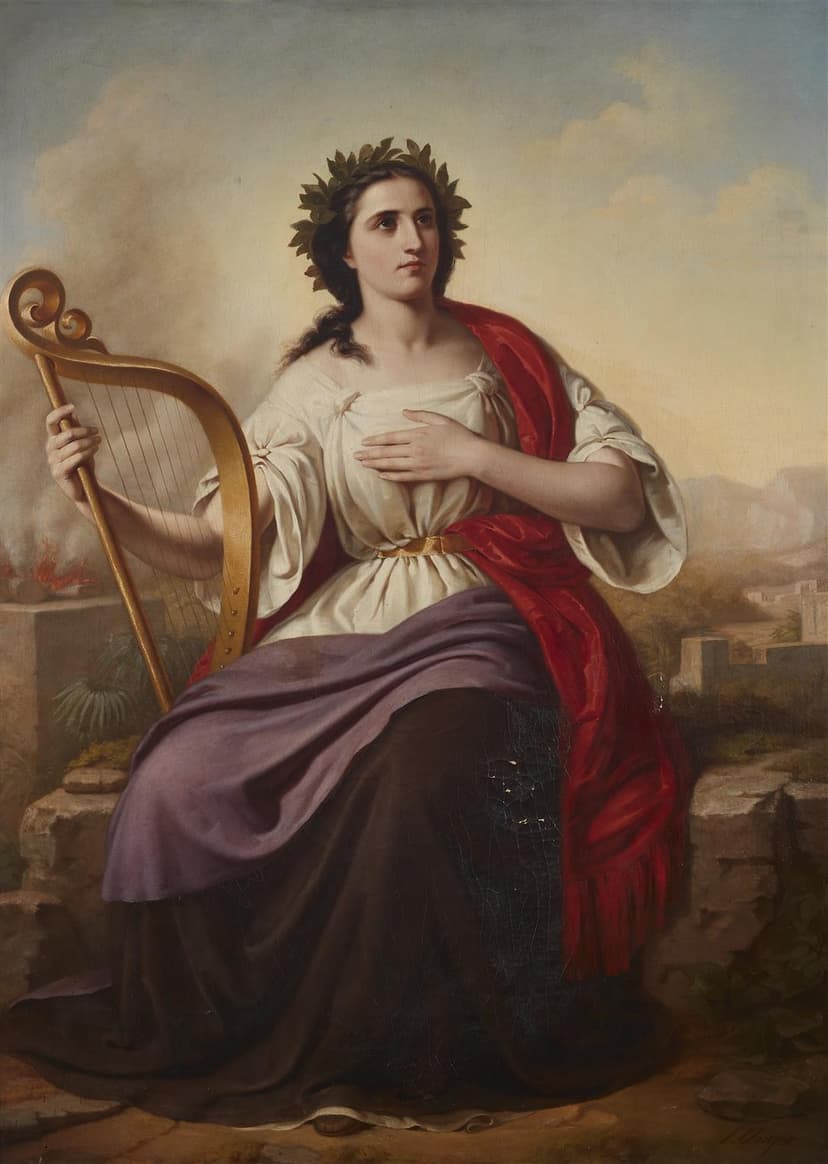
Deborah
Deborah was a prophetess and the fourth Judge of pre-monarchic Israel, serving as the only female judge mentioned in the Hebrew Bible. She is renowned for her divine guidance to the Israelite general Barak, leading to a significant victory against the Canaanite forces led by Sisera. Her story is preserved in the Book of Judges, including the "Song of Deborah," considered one of the earliest examples of Hebrew poetry.