
Anna
Female·1st century·Middle East
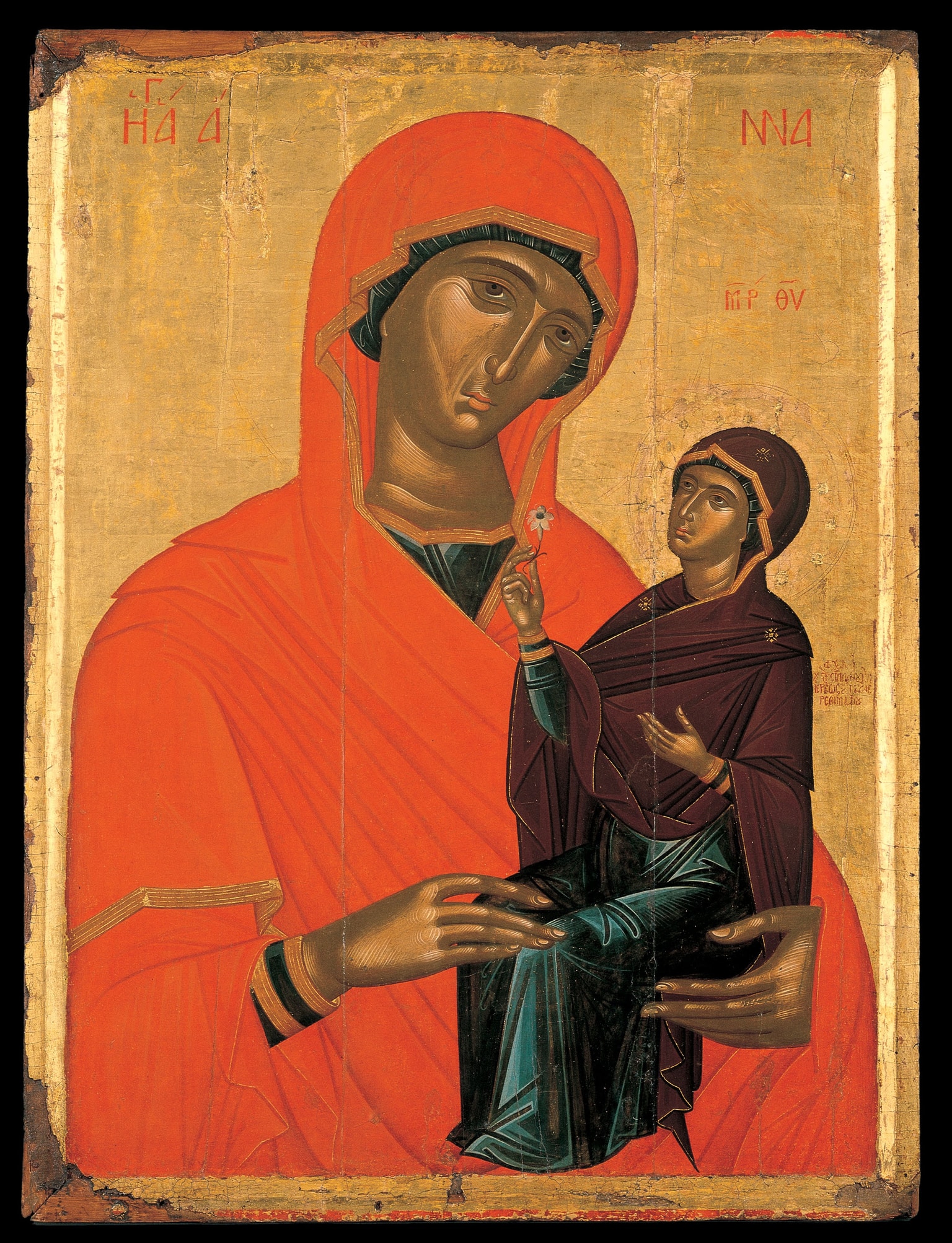
Saint Anne is revered in Christian tradition as the mother of the Virgin Mary and the maternal grandmother of Jesus. Although not named in the canonical biblical gospels, her story and that of her husband Joachim are detailed in New Testament apocrypha, most notably the Gospel of James. Anne is a significant figure in Christian devotion, particularly from the Middle Ages onwards, and is venerated in various Eastern and Western churches.
Key Facts
- ›Mother of the Virgin Mary and maternal grandmother of Jesus.
- ›Her name and that of her husband Joachim originate from New Testament apocrypha, with the Gospel of James being an early source.
- ›In Eastern Christianity, Anne and Joachim are known as the Ancestors of God, and their Nativity and Presentation are celebrated as major feasts.
- ›Devotion to Saint Anne increased significantly in the West from the twelfth century, leading to the dogma of the Immaculate Conception.
- ›She is patroness of unmarried women, housewives, women in labor, grandmothers, mothers, educators, horseback riders, cabinet-makers, and miners.
- ›Iconography often depicts her with Mary and the child Jesus (Anna Selbdritt) or teaching Mary the scriptures.
Gospel of James, Gospel of Pseudo-Matthew
Ann, Hannah
Mary, Joachim, Jesus
Saint, Ancestors of God, Revered Figure
Matriarch, Grandmother
Revered Figure
About Anna
Saint Anne
Saint Anne, also known as Ann or Anna, is revered in Christian tradition as the mother of the Virgin Mary and the maternal grandmother of Jesus Christ. While she is not mentioned in the canonical gospels of the Bible, her story and that of her husband, Joachim, are detailed in New Testament apocrypha, notably the Gospel of James, which likely dates from around the mid-second century AD.
Christian Tradition and Devotion
In Christian theology, the concept of Anne's role as Mary's mother developed early, with traditions about her family, childhood, and education emerging over time. The veneration of Anne in the Eastern Church can be traced back as far as the sixth century, with churches dedicated in her honor. In the Western Latin Church, significant devotion to Saint Anne began to flourish in the thirteenth century. This period saw the rise of major shrines and the solidification of her importance, particularly in relation to the doctrine of the Immaculate Conception, which posits that Mary was conceived without original sin.
Iconography and Patronage
Saint Anne is a frequent subject in Christian art, often depicted alongside the Virgin Mary and the infant Jesus in compositions known as "Anna Selbdritt" (Anne the Third). Another common artistic theme is "The Meeting at the Golden Gate," illustrating the conception of Mary. Her emblem is often a door. She is recognized as a patron saint for a wide array of individuals and groups, including unmarried women, housewives, women in labor or seeking pregnancy, grandmothers, mothers, educators, and even tradespeople like cabinet-makers and miners. This extensive patronage underscores her perceived role as a protector and intercessor.
Recognition in Islam
Beyond Christianity, Anne is also recognized and revered in Islam, where she is known as Hannah bint Faqudh. Although not explicitly named in the Quran, she is referred to as the "wife of Imran." Islamic tradition describes her as a devout woman who prayed earnestly for a child and was eventually blessed with Mary. Her story in Islam highlights her piety and her role as the mother of Mary, a highly esteemed figure in Islam.
Commemoration and Relics
Various Christian denominations observe feast days commemorating Saint Anne, often on July 26th in the Catholic and Lutheran traditions, with different dates and observances in Eastern Orthodox and other churches. The veneration of her relics has a long history, with alleged relics being brought from the Holy Land to Constantinople in the eighth century and subsequently dispersed to various churches and monasteries across Europe during the medieval period. These relics continue to be preserved and venerated in numerous locations worldwide.
Source: Wikipedia ↗
Frequently Asked Questions
Who was Saint Anne?
Saint Anne is traditionally known as the mother of the Virgin Mary and the grandmother of Jesus Christ. Despite not being named in the canonical Bible, her story is prominent in Christian tradition and apocryphal texts.
Where does the story of Saint Anne come from?
The earliest and most influential accounts of Saint Anne's life come from New Testament apocrypha, particularly the Gospel of James, written around the second century AD. These traditions, though not part of the biblical canon, were widely adopted.
When did devotion to Saint Anne become widespread?
While veneration in the Eastern Church dates back to the sixth century, devotion to Saint Anne saw a significant increase in the West beginning in the twelfth century. This period saw the rise of churches and shrines dedicated to her.
What is Saint Anne the patron saint of?
Saint Anne is the patron saint of various groups, including unmarried women, housewives, women who wish to become pregnant or are in labor, grandmothers, mothers, and educators. She is also a patron of certain trades and crafts.
How is Saint Anne depicted in art?
In Christian art, Saint Anne is often depicted in scenes such as the 'Meeting at the Golden Gate' with Joachim, or in the popular 'Anna Selbdritt' iconography showing her with the Virgin Mary and the infant Jesus. She is sometimes shown teaching Mary scriptures.
Is Saint Anne recognized in Islam?
Yes, Anne, referred to as Hannah bint Faqudh or the wife of Imran, is revered in Islam as a highly spiritual woman and the mother of Mary. She is not named in the Quran but is described as a devout woman who prayed for a child.
Related Prophets
Judas Barsabbas
Judas Barsabbas was a prophet and a prominent leader in the early Christian community of Jerusalem around 50 AD. He is known for his role in the Council of Jerusalem, where he was chosen to help deliver the council's decision to the church in Antioch. Alongside Silas, he was recognized for his prophetic abilities and for strengthening believers.
Agabus
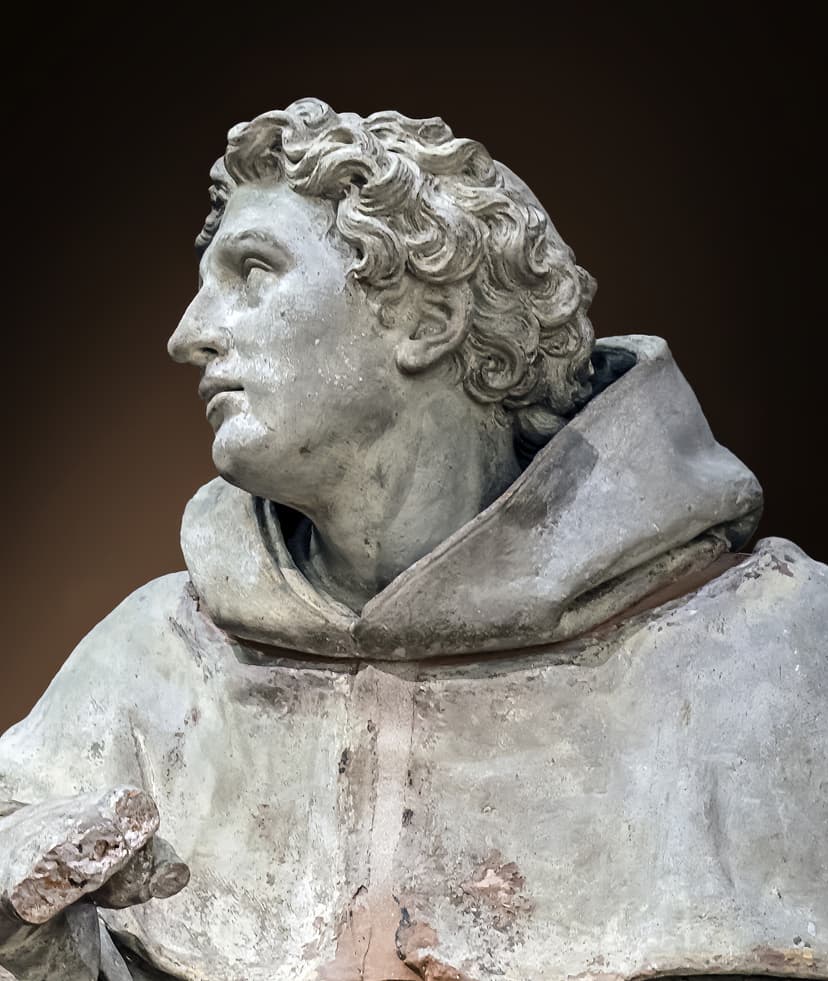
Agabus was an early follower of Christianity and a prophet mentioned in the Acts of the Apostles. He is known for his prophetic predictions, including a widespread famine during the reign of Emperor Claudius and warning Paul the Apostle about his impending arrest in Jerusalem. Agabus is also traditionally considered one of the Seventy Disciples.
John the Baptist
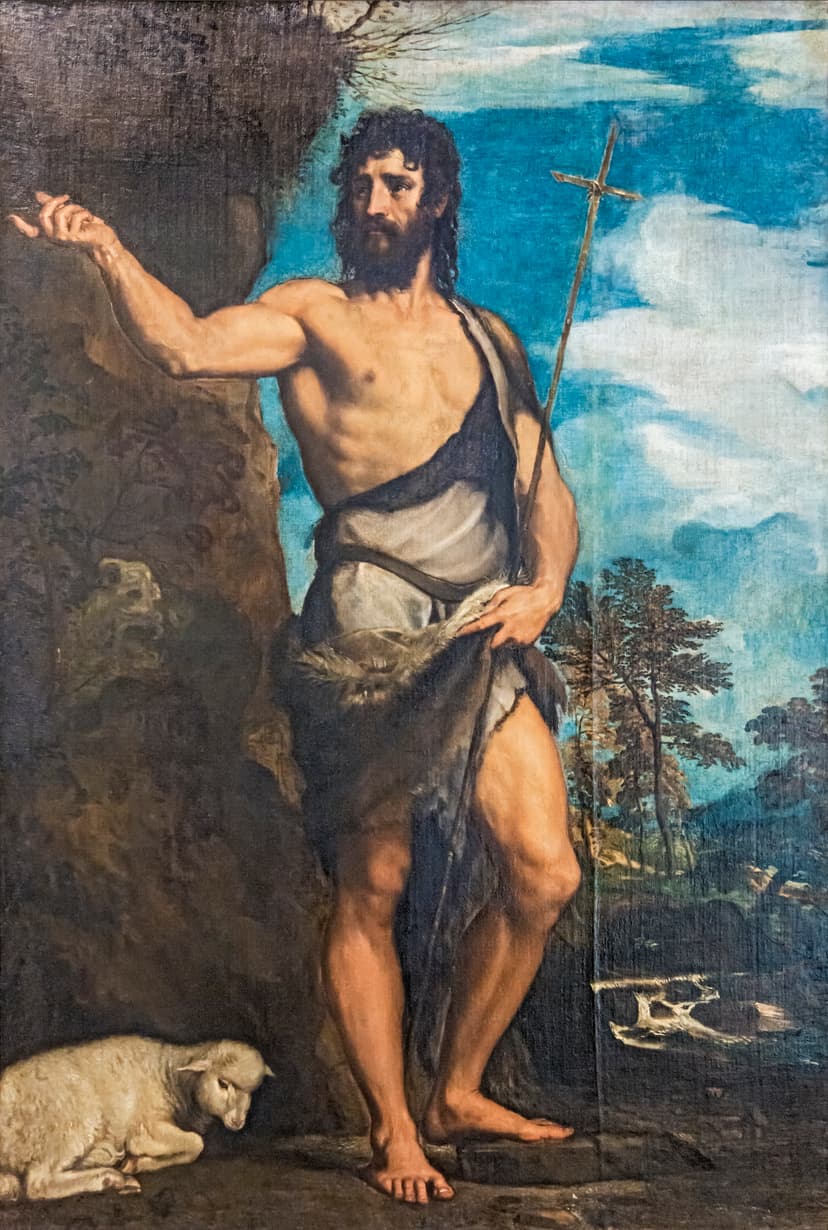
John the Baptist was a Jewish preacher active in the early first century AD along the Jordan River. Revered in Christianity, Islam, and other faiths, he is known for his ministry of repentance and baptism, anticipating a messianic figure greater than himself. According to the New Testament, he baptized Jesus and was later beheaded by Herod Antipas.