
Manaen
Male·1st century·Syria·Church of Antioch
Manaen was a first-century teacher and prophet in the Christian Church at Antioch, known for his upbringing with Herod Antipas. He is recognized in the Acts of the Apostles for his role in sending Paul and Barnabas on their first missionary journey and is likely one of the founders of the Church of Antioch. Manaen is venerated in both the Eastern Orthodox and Roman Catholic Churches.
Key Facts
- ›Was a teacher and prophet in the first-century Christian Church at Antioch.
- ›Was 'brought up' with Herod Antipas, described as his 'foster brother' or 'life-long friend'.
- ›Was among the prophets and teachers who laid hands on Saul and Barnabas, sending them on their first missionary journey.
- ›Likely one of the founders of the Church of Antioch.
- ›His feast day is celebrated on May 23 in the Eastern Orthodox Church and May 24 in the Roman Catholic Church.
Acts of the Apostles
Prophecy, Teaching
Manahen, Menachem
Herod Antipas, Paul, Barnabas, Luke
Saint, Prophet, Teacher
Prophet, Teacher
About Manaen
Manaen, also known as Manahen or Menachem, was a significant figure in the first-century Christian Church, particularly in Antioch. His life and ministry are primarily documented in the New Testament, specifically in the Book of Acts.
Life and Historical Context
Manaen is described as having been "brought up" with Herod Antipas, the tetrarch. This close association suggests a privileged upbringing and provides a unique perspective on the political and social landscape of the time. The Greek term "syntrophos" used to describe this relationship can imply being a foster brother or a lifelong friend, indicating a deep personal connection.
Role in the Early Church
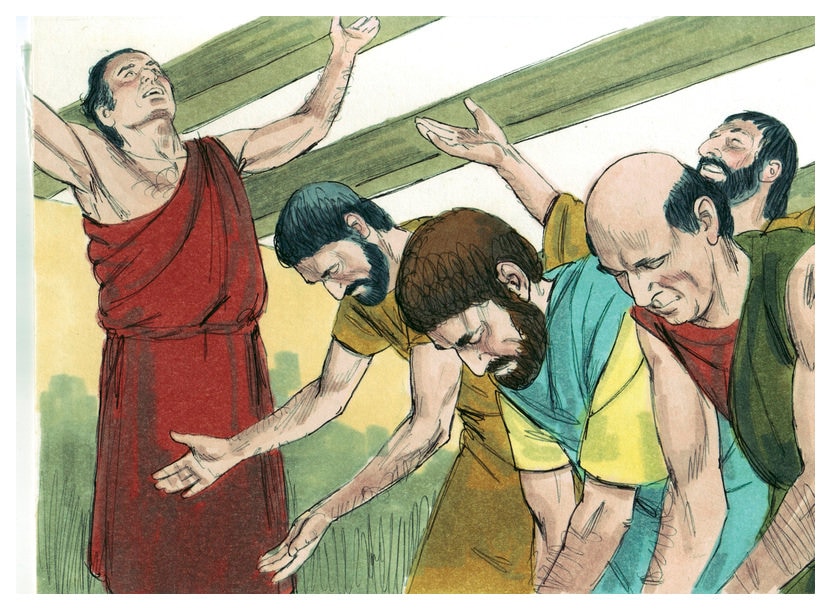
According to the Acts of the Apostles, Manaen was among the prophets and teachers in Antioch who, under the guidance of the Holy Spirit, laid hands on Saul (later Paul) and Barnabas. This act commissioned them for their first missionary journey, a pivotal event in the expansion of early Christianity. His presence among these leaders suggests he was a respected spiritual authority within the community.
Founding of the Church of Antioch
Manaen is also believed to have been one of the founders of the Church at Antioch. This church was notable for its early outreach to Gentiles, becoming a crucial center for early Christian missionary work. The text notes that Jewish Christians, dispersed by persecution following the death of Stephen, taught the Gospel to the Greeks in Antioch, and it is within this context that Manaen likely played a key role.
Veneration
Manaen is remembered and venerated in Christian traditions. His feast day is observed on May 23 in the Eastern Orthodox Church and on May 24 in the Roman Catholic Church, underscoring his enduring significance as a saint and early leader of the Church.
Source: Wikipedia ↗
Frequently Asked Questions
Who was Manaen?
Manaen was a teacher and prophet in the early Christian Church in Antioch during the first century. He is noted for his association with Herod Antipas and his role in the early missions of Paul and Barnabas.
What is Manaen known for in the Bible?
In the Acts of the Apostles, Manaen is described as one of the prophets and teachers who, guided by the Holy Spirit, commissioned Paul and Barnabas for their first missionary journey. He was also brought up with Herod Antipas, the tetrarch.
What was Manaen's relationship with Herod Antipas?
Manaen was 'brought up' with Herod Antipas. He is described in historical accounts as either Herod's 'foster brother' or his 'life-long friend'.
Was Manaen a founder of the Church of Antioch?
It is highly likely that Manaen was one of the founders of the Church of Antioch. This church was established by Jewish Christians who had been dispersed by persecution and began teaching the Gospel to the Greeks in Antioch.
When is Manaen's feast day?
Manaen is venerated with a feast day celebrated on May 23 in the Eastern Orthodox Church and on May 24 in the Roman Catholic Church.
Related Prophets
Lucius of Cyrene
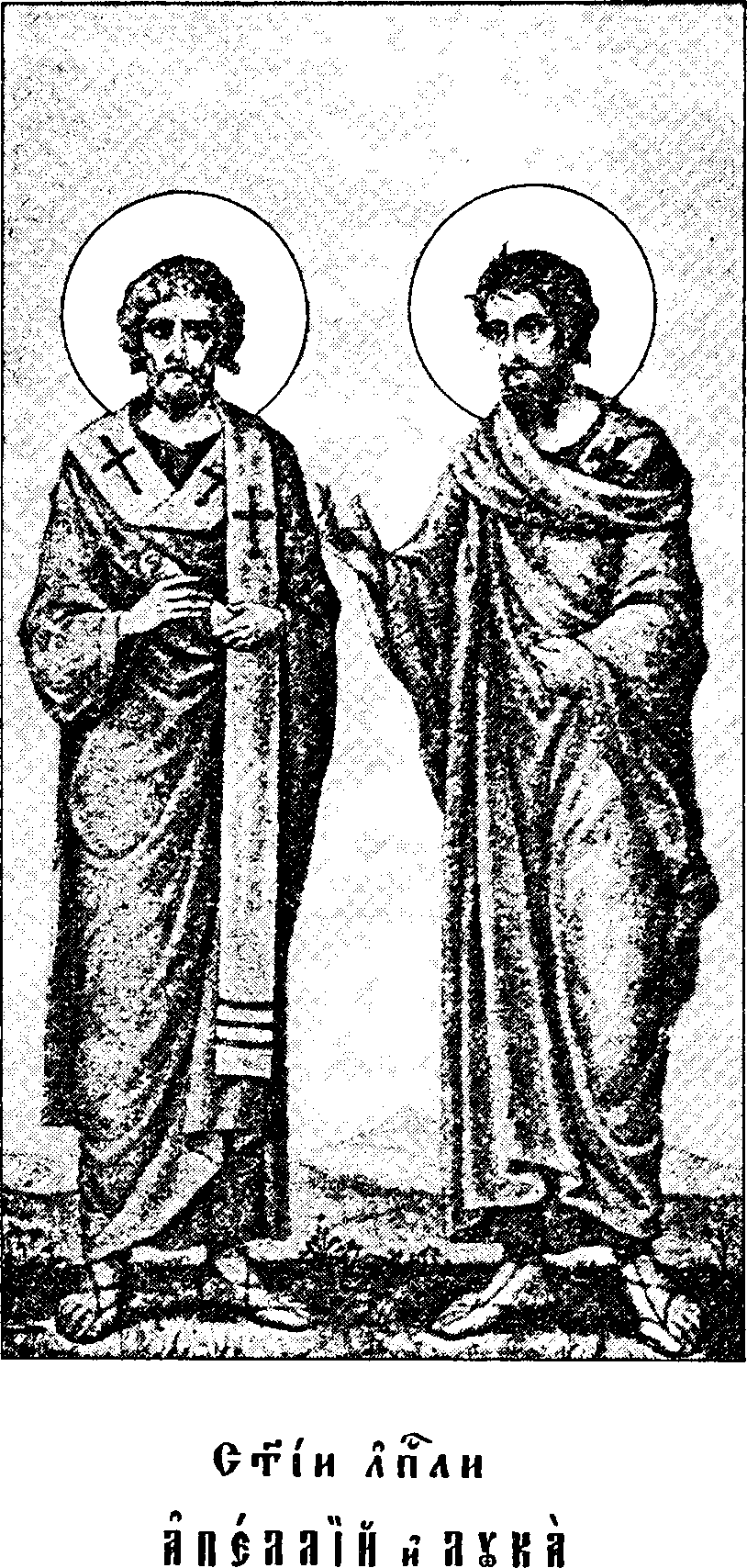
Lucius of Cyrene, also known as Luke and Lucius of Laodicea, is recognized in early Christian tradition as a significant figure in the founding of the Church in Antioch. According to the Acts of the Apostles, he was among the prophets and teachers in Antioch, involved in the commissioning of Barnabas and Paul for missionary work. He is also considered by some traditions to be one of the Seventy Disciples and a bishop.
Simeon Niger
Simon Niger was a prophet and teacher in the early Christian church at Antioch, as recorded in the Book of Acts. His epithet "Niger" suggests a possible dark complexion or African heritage, as "niger" is the Latin word for black. He is recognized as one of the foundational figures in the Antiochian church, contributing to its early leadership and spiritual guidance.
Agabus
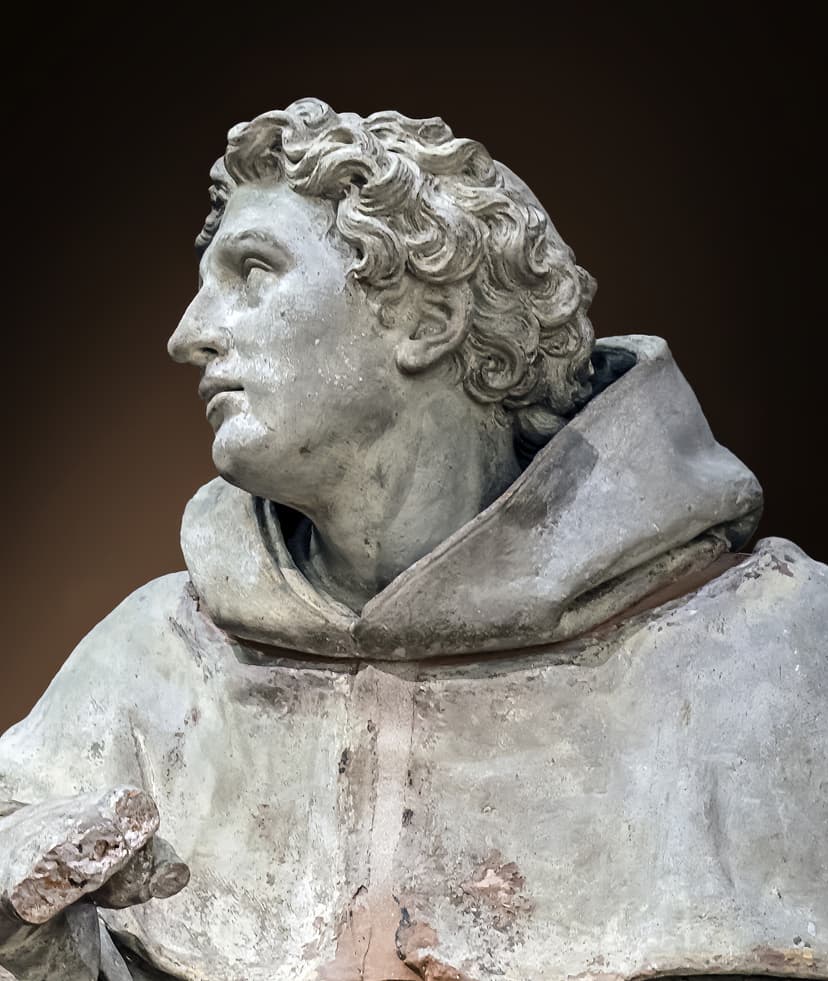
Agabus was an early follower of Christianity and a prophet mentioned in the Acts of the Apostles. He is known for his prophetic predictions, including a widespread famine during the reign of Emperor Claudius and warning Paul the Apostle about his impending arrest in Jerusalem. Agabus is also traditionally considered one of the Seventy Disciples.