
Simon of Cyrene
1st century·Libya
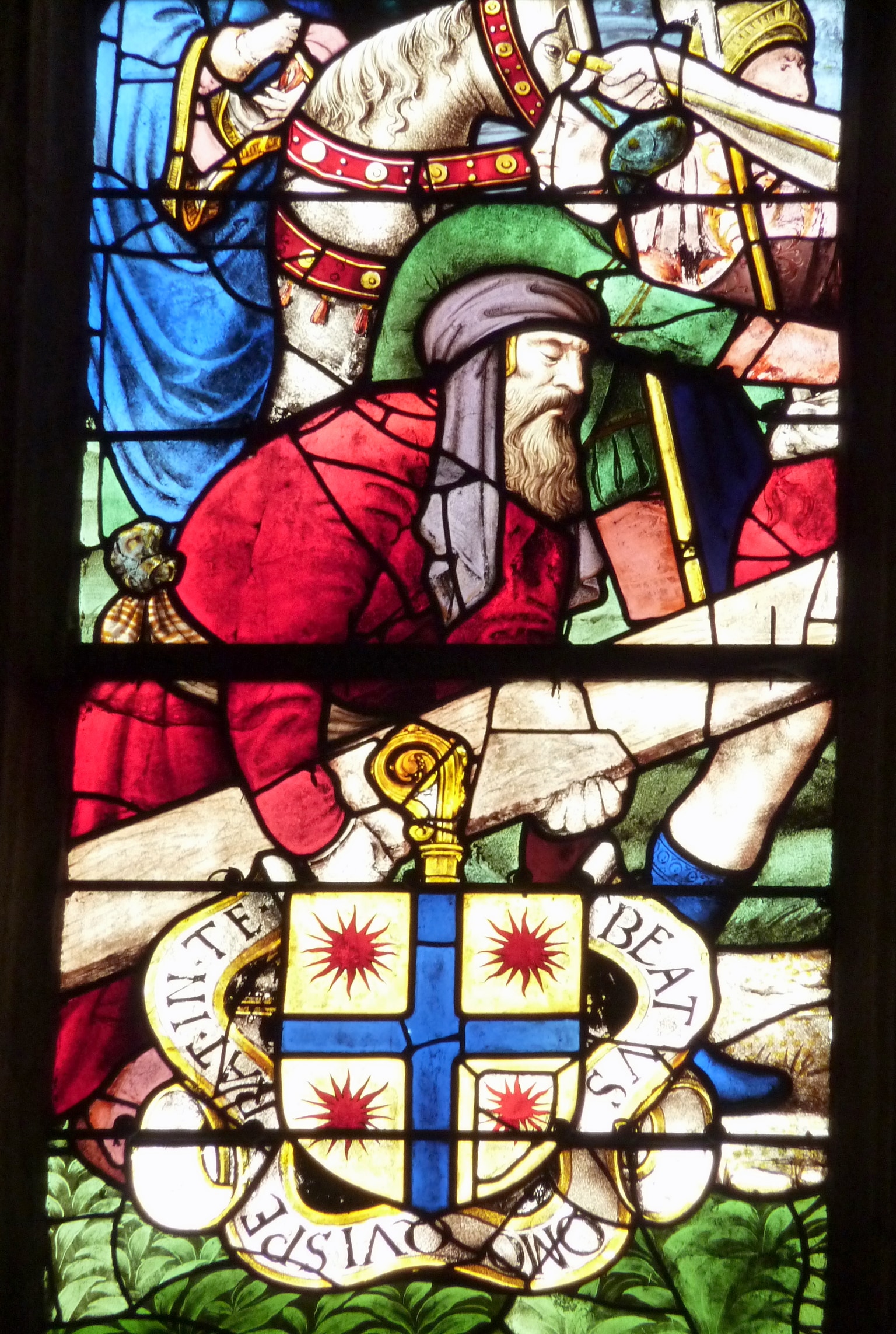
Simon of Cyrene was the man compelled by Roman soldiers to carry the cross of Jesus of Nazareth on the way to his crucifixion, as recorded in the Synoptic Gospels. He is recognized for this pivotal moment in the Passion narrative, and his sons, Rufus and Alexander, are also mentioned in connection with the early Christian community. Some Gnostic traditions reinterpreted his role, suggesting he was mistaken for Jesus and crucified in his place.
Key Facts
- ›Simon of Cyrene was compelled by Romans to carry Jesus' cross.
- ›This event is depicted as the fifth station of the Stations of the Cross.
- ›He is identified as the father of disciples Rufus and Alexander.
- ›The Gospel of Mark suggests his sons were known in the early Christian community.
- ›A burial cave ossuary inscribed 'Alexander son of Simon' was discovered, potentially linking to him.
- ›Some Gnostic traditions claim Simon was crucified in Jesus' place.
Simōn Kyrēnaios
Cross
About Simon of Cyrene
Simon of Cyrene is a figure from the New Testament, primarily known for being compelled by Roman soldiers to carry the cross of Jesus of Nazareth on the way to his crucifixion. This event, detailed in the Synoptic Gospels (Matthew, Mark, and Luke), is a significant moment in the narrative of Jesus' Passion and is commemorated as the fifth station of the Stations of the Cross.
Background and Biblical Accounts
Cyrene was a Greek city located in Cyrenaica, in what is modern-day eastern Libya. It had a notable Jewish community, which had connections to Jerusalem, with a synagogue there where many Cyrenian Jews would gather for annual feasts. According to the Gospel of Mark (15:21), Simon is identified as the father of Alexander and Rufus. The inclusion of his sons' names has led scholars to suggest that they were known figures within the early Christian community, possibly in Rome, and that their father's role might have been affirmed by their testimony. The Gospel of John does not mention Simon.
Interpretations and Traditions
Interpretations of Simon's role vary. Some suggest he may have shown sympathy towards Jesus, leading to his selection. Others emphasize that the text states he was compelled and had no choice, viewing the act as a forced obligation rather than a generous gesture. In contrast, certain Gnostic traditions, notably from the teachings of Basilides, presented a docetic view where Jesus, being divine, did not suffer physically. In these accounts, Simon of Cyrene was mistakenly crucified in Jesus' stead, while Jesus assumed Simon's form and watched.
Sons and Potential Connections
Simon's sons, Rufus and Alexander, are mentioned in conjunction with his story. The Apostle Paul also mentions a Rufus in his Epistle to the Romans (16:13), leading to speculation that he is the same individual mentioned by Mark. Additionally, some have suggested a link between Simon himself and the "men of Cyrene" who preached the Gospel to Hellenized Jews, as described in the Acts of the Apostles (11:20). Archaeological findings include an ossuary discovered in the Kidron Valley inscribed "Alexander son of Simon," which may refer to Simon's son, though certainty remains elusive.
Later Cultural and Religious References
Simon of Cyrene has been the subject of various artistic and literary works, including the play "Simon the Cyrenian" by Ridgely Torrence and portrayals in films such as "The Greatest Story Ever Told" and "The Passion of the Christ." The Simon Community and the Cyrenian movement, organizations providing services to disadvantaged groups, take their names from him. In Islamic theology, it is believed that Jesus was not crucified but ascended to heaven, with a figure being made to appear like him on the cross.
Source: Wikipedia ↗
Frequently Asked Questions
Who was Simon of Cyrene?
Simon of Cyrene was a man from the Greek city of Cyrene in eastern Libya. According to the Synoptic Gospels, he was compelled by Roman soldiers to carry the cross of Jesus of Nazareth as Jesus was led to his crucifixion.
Why is Simon of Cyrene remembered?
He is remembered for his involuntary role in the Passion of Christ, specifically for bearing the crossbeam (patibulum) of Jesus' cross. This act is depicted as the fifth station of the Stations of the Cross.
What is known about Simon's family?
The Gospels of Mark and potentially Paul's letter to the Romans mention Simon's sons, Rufus and Alexander. Their inclusion suggests they may have been known and held some standing within the early Christian community, possibly in Rome.
Are there any alternative accounts of Simon's role?
Some Gnostic traditions, such as those associated with Basilides, proposed that Simon of Cyrene was mistakenly crucified in Jesus' place, believing that Jesus, as a divine being, could not suffer physically. Orthodox Muslim theology also holds that Jesus did not die on the cross.
Is there any archaeological evidence related to Simon of Cyrene?
An ossuary discovered in Jerusalem's Kidron Valley, dating before AD 70, was inscribed in Greek: 'Alexander son of Simon.' While this potentially refers to Simon's son, it cannot be definitively proven to be the same individual mentioned in the Gospels.
Related Saints
Joseph of Arimathea
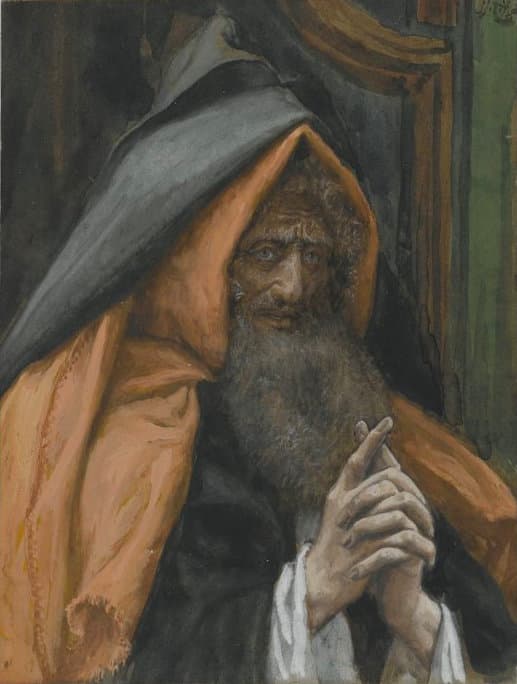
Joseph of Arimathea was a biblical figure who played a crucial role in the burial of Jesus after his crucifixion. He is chiefly remembered for his act of courage in requesting Jesus' body from Pontius Pilate and providing his own tomb for the burial, a deed that elevated him to sainthood in various Christian traditions. Over centuries, his figure became central to numerous legends, particularly concerning the Holy Grail and the early Christianization of Britain.
Joseph the Betrothed
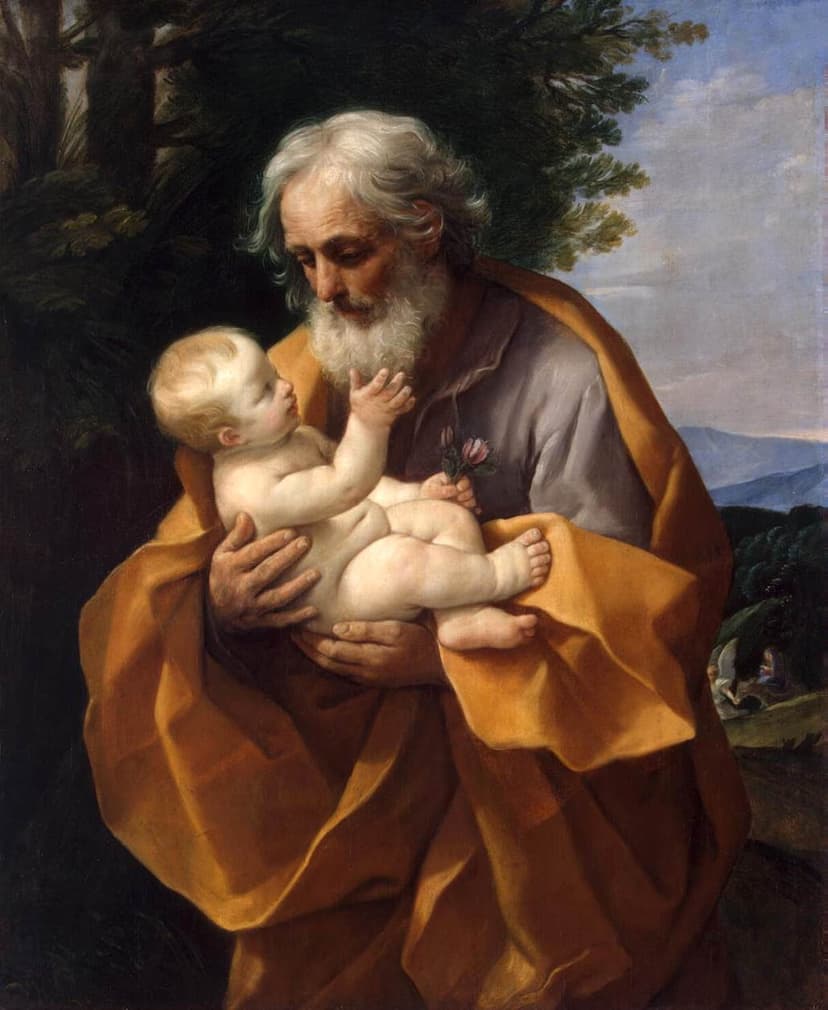
Joseph the Betrothed was the legal father of Jesus and husband of Mary, according to the canonical Gospels. He is venerated in several Christian traditions as a model of chastity and a protector. Joseph is chiefly remembered for his role in the infancy narratives of Jesus and as the patron saint of workers and the Universal Church.
Peter the Apostle
Peter the Apostle, originally named Shimon bar Yonah, was one of Jesus' Twelve Apostles and a principal leader of the early Christian Church. He is remembered for his prominent role in the Gospels and Acts, his confession of Jesus as the Messiah, and his traditional founding of the Churches of Antioch and Rome. Catholic and Orthodox traditions consider him the first bishop of Rome and believe he was martyred in Rome under Emperor Nero.