
Joseph of Arimathea
March 17·1st century·Judea
Joseph of Arimathea was a biblical figure who played a crucial role in the burial of Jesus after his crucifixion. He is chiefly remembered for his act of courage in requesting Jesus' body from Pontius Pilate and providing his own tomb for the burial, a deed that elevated him to sainthood in various Christian traditions. Over centuries, his figure became central to numerous legends, particularly concerning the Holy Grail and the early Christianization of Britain.
Key Facts
- ›He was a member of the Sanhedrin and a rich disciple of Jesus.
- ›Joseph asked Pilate for the body of Jesus and was granted permission.
- ›He purchased a linen shroud and, with Nicodemus, prepared Jesus' body for burial.
- ›Jesus was buried in a new tomb that Joseph had hewn from rock.
- ›Joseph is venerated as a saint in the Catholic, Oriental Orthodox, and Eastern Orthodox Churches.
- ›Medieval legends associate him with the Holy Grail and the founding of Christianity in Britain.
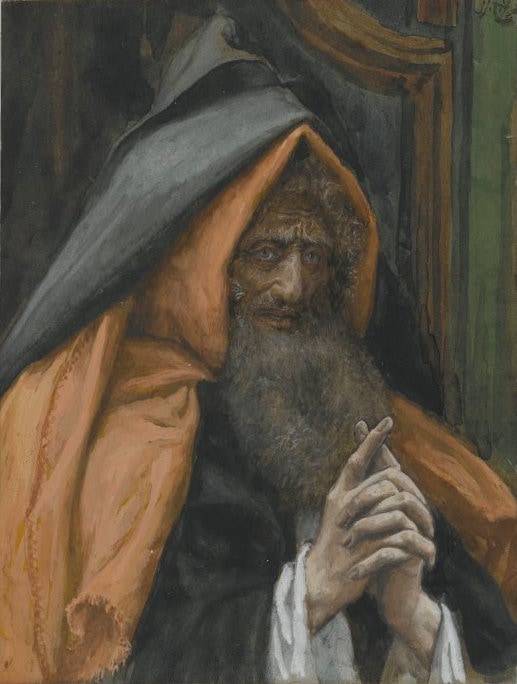
Ἰωσὴφ ἀπὸ Ἀριμαθαίας
About Joseph of Arimathea
Joseph of Arimathea is a significant figure in the New Testament, primarily known for his role in the burial of Jesus Christ. The canonical Gospels present him as a wealthy and respected member of the Sanhedrin, who was also a secret disciple of Jesus. His decision to ask Pontius Pilate for Jesus' body and provide his own tomb for the burial marked a crucial moment following the crucifixion.
Gospel Accounts
The Gospels of Mark and Luke describe Joseph as a "respected member of the council" who "had not consented to their decision and action" regarding Jesus. Matthew's Gospel identifies him as a "rich man" and a disciple. John's Gospel details his request to Pilate for Jesus' body, his subsequent acquisition of a linen shroud, and his collaboration with Nicodemus to prepare and bury Jesus in a new tomb hewn from rock, which was done quickly before the Sabbath began.
Veneration and Legends
Joseph of Arimathea is venerated as a saint in the Catholic, Oriental Orthodox, and Eastern Orthodox Churches, as well as in some Protestant traditions. His feast day is traditionally observed on March 17, though he is now commemorated on August 31 in the Roman calendar. Beyond his biblical role, Joseph became the subject of extensive legendary material during the Middle Ages. These legends frequently placed him in Britain, where he was credited with establishing Christianity and bringing the Holy Grail. The association with Britain, particularly with Glastonbury Abbey, became a prominent theme in Arthurian romances and later contributed to the idea of an ancient, pure form of British Christianity predating Roman influence.
Historical Context and Development of Legends
While early Christian writers like Tertullian and Eusebius mention the spread of Christianity to Britain, Joseph of Arimathea is not explicitly named in these earliest accounts. His connection to Britain and the Holy Grail appears to have solidified in later medieval literature, notably in the works of Robert de Boron. The historical accuracy of these legends is debated, with many scholars viewing them as later embellishments intended to enhance the prestige of certain religious sites and traditions. Despite the legendary nature of many stories, Joseph of Arimathea remains a revered figure, symbolizing faith, courage, and the early spread of Christianity.
Source: Wikipedia ↗
Frequently Asked Questions
Who was Joseph of Arimathea?
Joseph of Arimathea was a figure in the New Testament Gospels who was a member of the Sanhedrin and a disciple of Jesus. He is known for taking responsibility for Jesus' burial after his crucifixion.
What role did Joseph of Arimathea play in the burial of Jesus?
According to the Gospels, Joseph of Arimathea asked Pontius Pilate for Jesus' body, purchased a linen shroud, and, along with Nicodemus, laid Jesus' body in Joseph's own newly hewn tomb.
Why is Joseph of Arimathea considered a saint?
Joseph of Arimathea is venerated as a saint for his courageous act of requesting and providing a tomb for Jesus' body, a deed performed despite potential political repercussions. His faith and actions are seen as a testament to his devotion.
What are some of the legends associated with Joseph of Arimathea?
During the Middle Ages, numerous legends developed around Joseph of Arimathea. These include stories of him bringing the Holy Grail to Britain, becoming the first bishop there, and his staff miraculously blooming into the Glastonbury Thorn.
Where is Arimathea located?
The historical location of Arimathea, described in the Gospels as a town in Judea, is uncertain. It has been identified with various locations, including Ramleh and Ramathaim-Zophim, though its exact site remains a subject of speculation.
When is the feast day of Joseph of Arimathea?
The traditional feast day for Joseph of Arimathea was March 17th. He is now listed in the Martyrologium Romanum on August 31st, alongside Saint Nicodemus. Eastern Orthodox churches commemorate him on the Third Sunday of Pascha and July 31st.
Related Saints
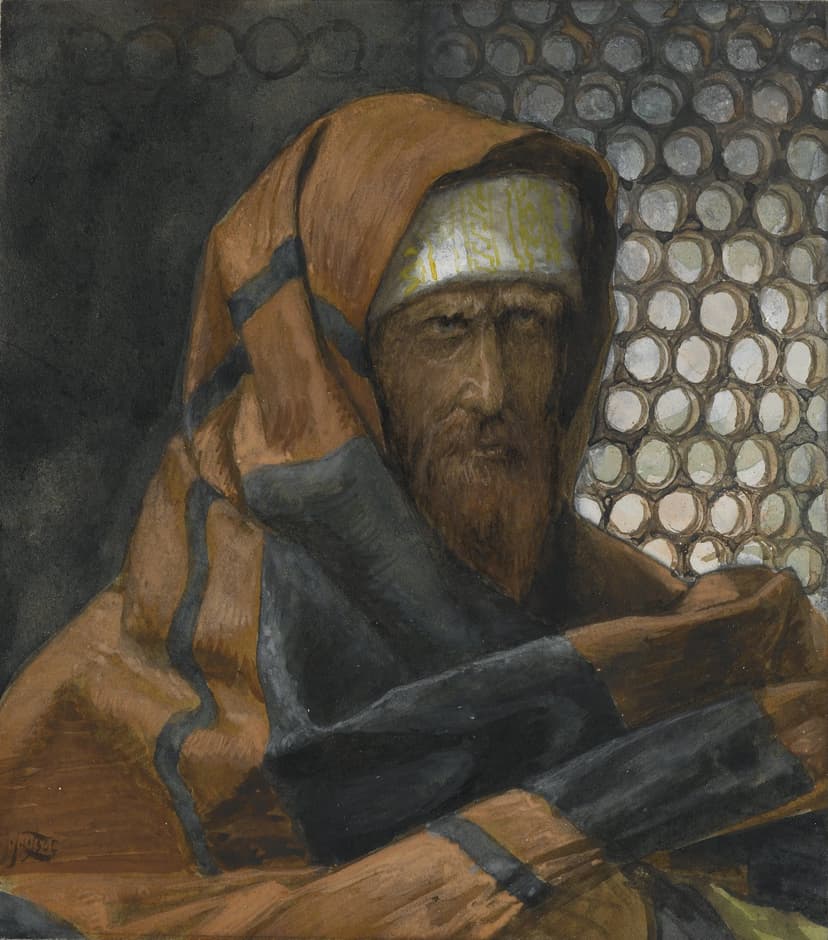
Nicodemus
Nicodemus was a Pharisee and member of the Sanhedrin who is depicted in the Gospel of John as a secret follower of Jesus. He is remembered for his nighttime visit to Jesus to discuss his teachings and for assisting Joseph of Arimathea in burying Jesus's body. Nicodemus is venerated as a saint in Catholic and Orthodox traditions, and his name has become associated with spiritual rebirth and the concept of being "born again."
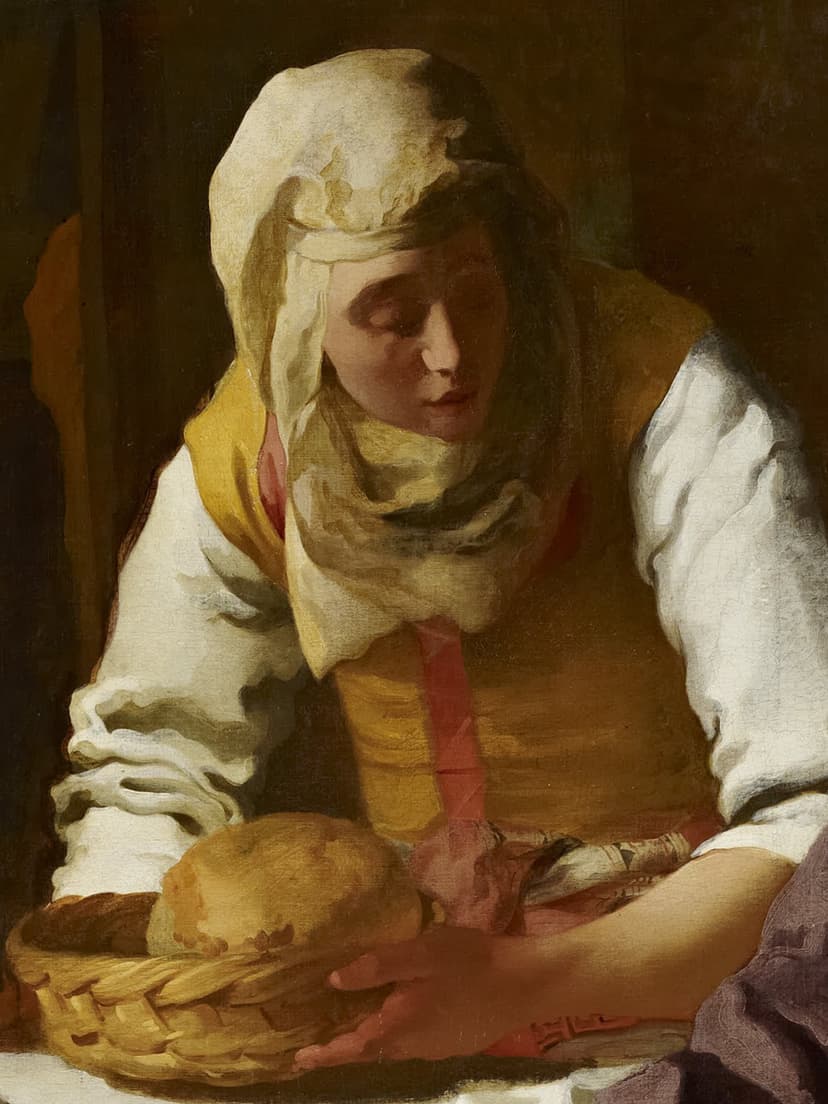
Martha of Bethany
Martha of Bethany was a close follower of Jesus, known for her faith and hospitality, alongside her siblings Lazarus and Mary. She is chiefly remembered for her interactions with Jesus, particularly her concern for serving him and her steadfast belief in his divine power, as depicted in the Gospels of Luke and John. Her legacy includes her veneration as a saint in multiple Christian traditions and her association with various patronages and legends.
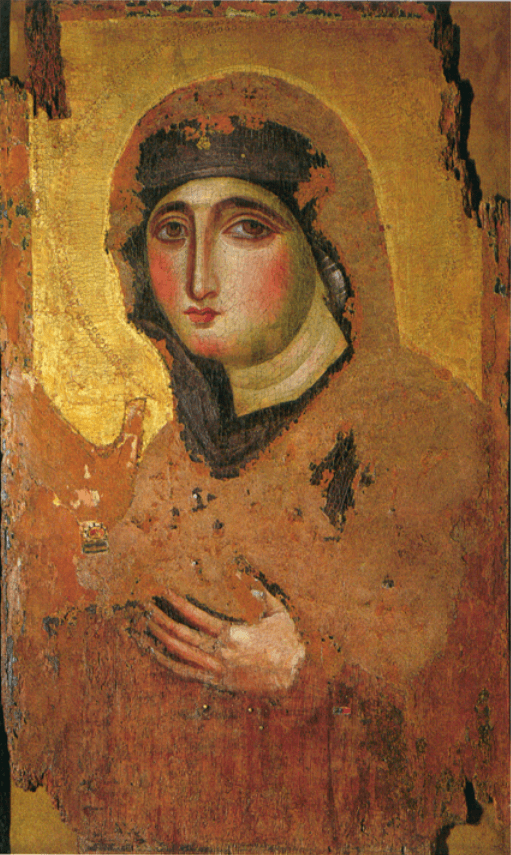
Mary of Nazareth
Mary of Nazareth was a first-century Jewish woman, wife of Joseph and mother of Jesus. She is a pivotal figure in Christianity, venerated for her role as the Mother of God and often called the Blessed Virgin Mary. Her significance extends to Islam, where she is highly revered as Maryam, mother of Isa.