
Mary of Nazareth
Mary of Nazareth was a first-century Jewish woman, wife of Joseph and mother of Jesus. She is a pivotal figure in Christianity, venerated for her role as the Mother of God and often called the Blessed Virgin Mary. Her significance extends to Islam, where she is highly revered as Maryam, mother of Isa.
Key Facts
- ›Mary was a Jewish woman from Nazareth.
- ›She is the mother of Jesus, conceived through the Holy Spirit.
- ›She is venerated in Christianity and Islam.
- ›Christian traditions often refer to her as the Virgin Mary or Mother of God.
- ›She was present at Jesus' crucifixion and with the apostles after his ascension.
- ›Catholic and Orthodox traditions believe in her bodily assumption into heaven.
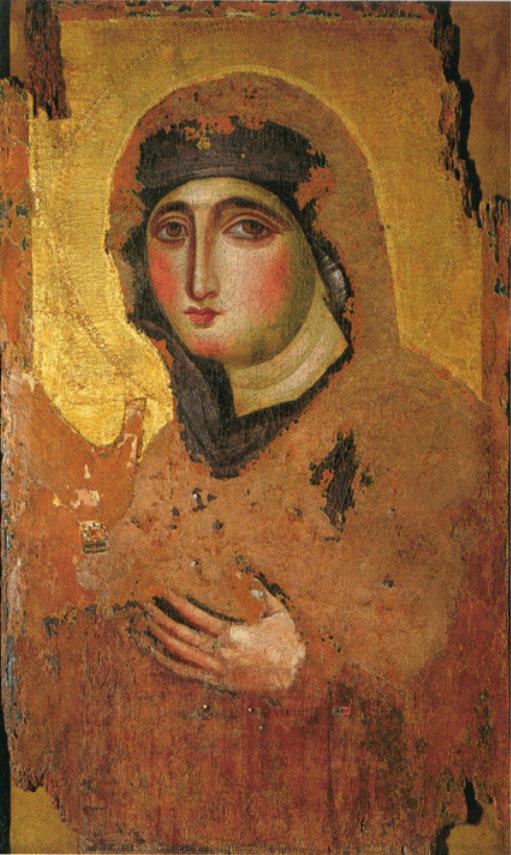
Virgin Mary, Blessed Virgin Mary, Mother of God, Theotokos, Our Lady, Madonna, Queen of Heaven, Maryam
Catholic Church, Eastern Orthodox Church, Oriental Orthodox Churches, Anglican Communion, Lutheran Churches, Reformed Churches, Methodist Churches
About Mary of Nazareth
Mary of Nazareth was a first-century Jewish woman from Nazareth, who is revered as the wife of Joseph and, most significantly, the mother of Jesus Christ. She holds an exceptionally important position in Christianity, where she is venerated under numerous titles, including the Virgin Mary, Mother of God, and Theotokos (God-bearer). Her significance also extends to Islam, where she is known as Maryam and is highly honored as the mother of Isa (Jesus), being the only woman named in the Quran and having a chapter named in her honor.
Life and Historical Context
The canonical Gospels of Matthew and Luke recount Mary's virgin conception of Jesus through the Holy Spirit. Following Jesus' birth in Bethlehem, she and Joseph raised him in Nazareth. She is recorded as being present at Jesus' crucifixion and with the apostles after his ascension. While the Bible does not detail her later life, Christian traditions, particularly Catholic and Eastern Orthodox, hold that her body was assumed into heaven at the end of her earthly life, an event known as the Assumption of Mary or the Dormition of the Mother of God.
Veneration and Devotion
Mary has been venerated since the early days of Christianity and is widely regarded as the holiest and greatest of saints. Mariology and devotional practices vary across major Christian traditions. The Catholic Church and some Oriental Orthodox Churches hold specific Marian dogmas, such as her Immaculate Conception and bodily assumption. Many Protestant denominations also hold varying views of her role, often emphasizing beliefs like the virgin birth.
Devotional practices include prayers, hymns, the celebration of Marian feast days, the veneration of images and relics, and pilgrimages to Marian shrines. Numerous Marian apparitions and miracles attributed to her intercession have been reported throughout history. Mary has been a perennial subject in art, particularly in Byzantine, medieval, and Renaissance periods.
Names and Titles
Mary's original Hebrew name was מרים (Maryam or Mariam), transliterated into Greek as Μαρία or Μαριάμ. In Christianity, she is commonly called the Virgin Mary, reflecting the belief in her virginal conception and perpetual virginity. Other significant titles include Blessed Virgin Mary, Mother of God, Theotokos, Our Lady (Madonna), and Queen of Heaven. In Islam, she is known as Maryam, often referred to by the honorific title Sayyidatuna (Our Lady), and also as Siddiqah (she who confirms the truth) and Qānitah (constant submission to God).
Source: Wikipedia ↗
Frequently Asked Questions
What is Mary of Nazareth known for?
Mary of Nazareth is primarily known as the mother of Jesus Christ. She is a central figure in Christianity, venerated for her purity, her role in the Annunciation, and her presence during Jesus' life, crucifixion, and the early days of the Church.
What are some of Mary's most common titles?
Mary is known by many titles, including the Virgin Mary, Blessed Virgin Mary, Mother of God, Theotokos (God-bearer), Our Lady, and Queen of Heaven. These titles reflect different aspects of her role and veneration in various traditions.
What do different religions believe about Mary?
In Christianity, she is revered as the Mother of God. In Islam, she is known as Maryam and holds a high position as the mother of Isa (Jesus), being the only woman mentioned by name in the Quran and having a chapter named after her.
What does the Bible say about Mary's life?
The canonical Gospels, particularly Luke, describe her role in the Annunciation, the birth of Jesus, and her presence at the crucifixion. She is also mentioned in the Acts of the Apostles as being with the apostles after Jesus' ascension. Her later life is not detailed in the Bible.
What is the belief in the Assumption of Mary?
In Western Christianity, this is known as the Assumption of Mary, and in Eastern Christianity as the Dormition of the Mother of God. It is the belief, held as dogma by the Catholic Church and believed in Eastern Orthodox and some other traditions, that Mary's body was raised into heaven at the end of her earthly life.
Related Saints
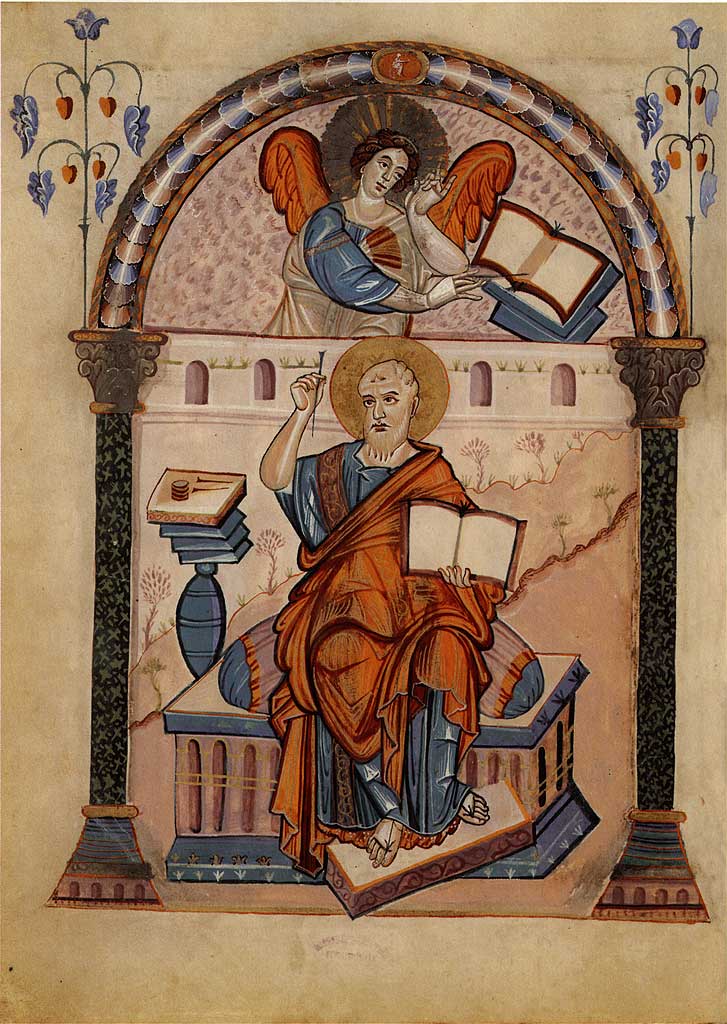
Matthew the Evangelist
Matthew the Apostle was one of the twelve disciples of Jesus and is traditionally credited as the author of the Gospel of Matthew. He is remembered for his calling by Jesus from his profession as a tax collector and for his missionary work, particularly in Judea and Ethiopia. According to tradition, he died as a martyr.
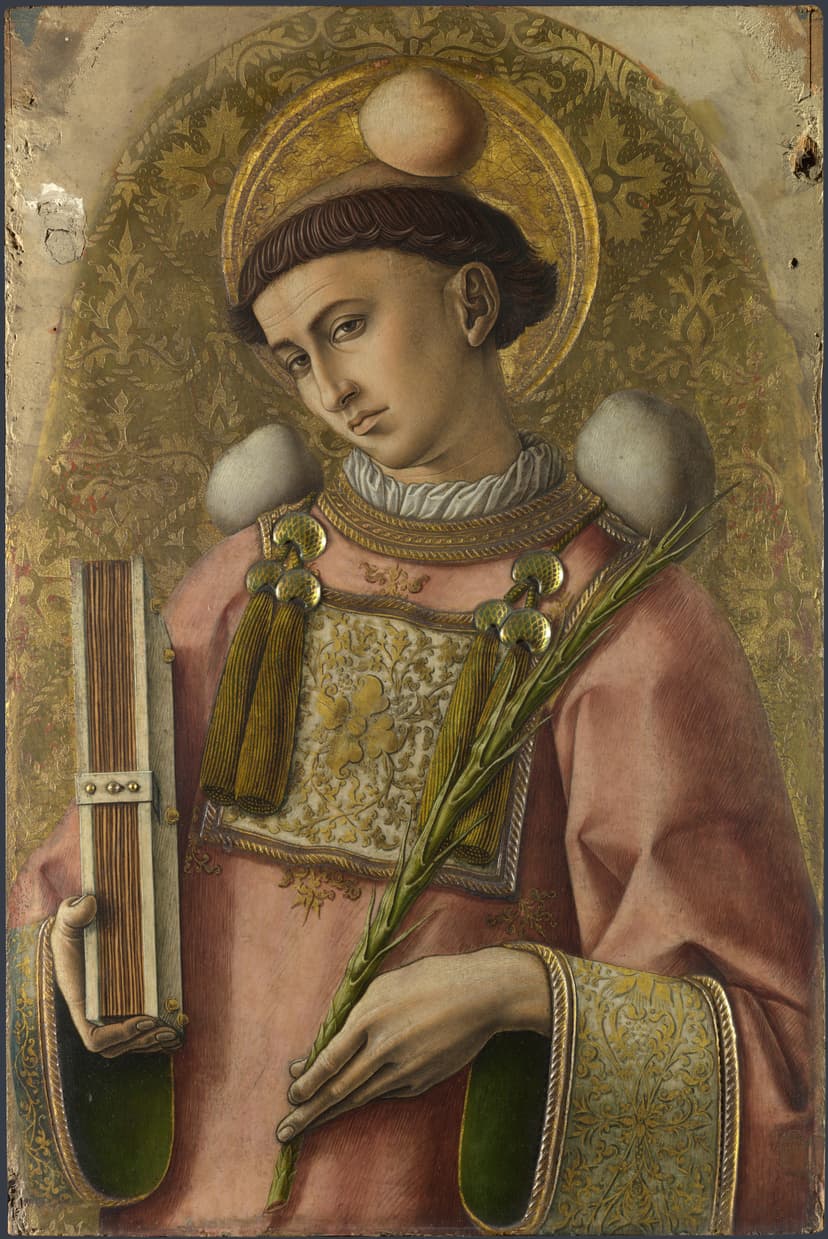
Stephen the Protomartyr
Stephen the Protomartyr is traditionally venerated as the first Christian martyr. According to the Acts of the Apostles, he was a deacon in early Jerusalem who was stoned to death after being accused of blasphemy. He is remembered for his faith, his defense of Christianity, and his prayer for his persecutors.
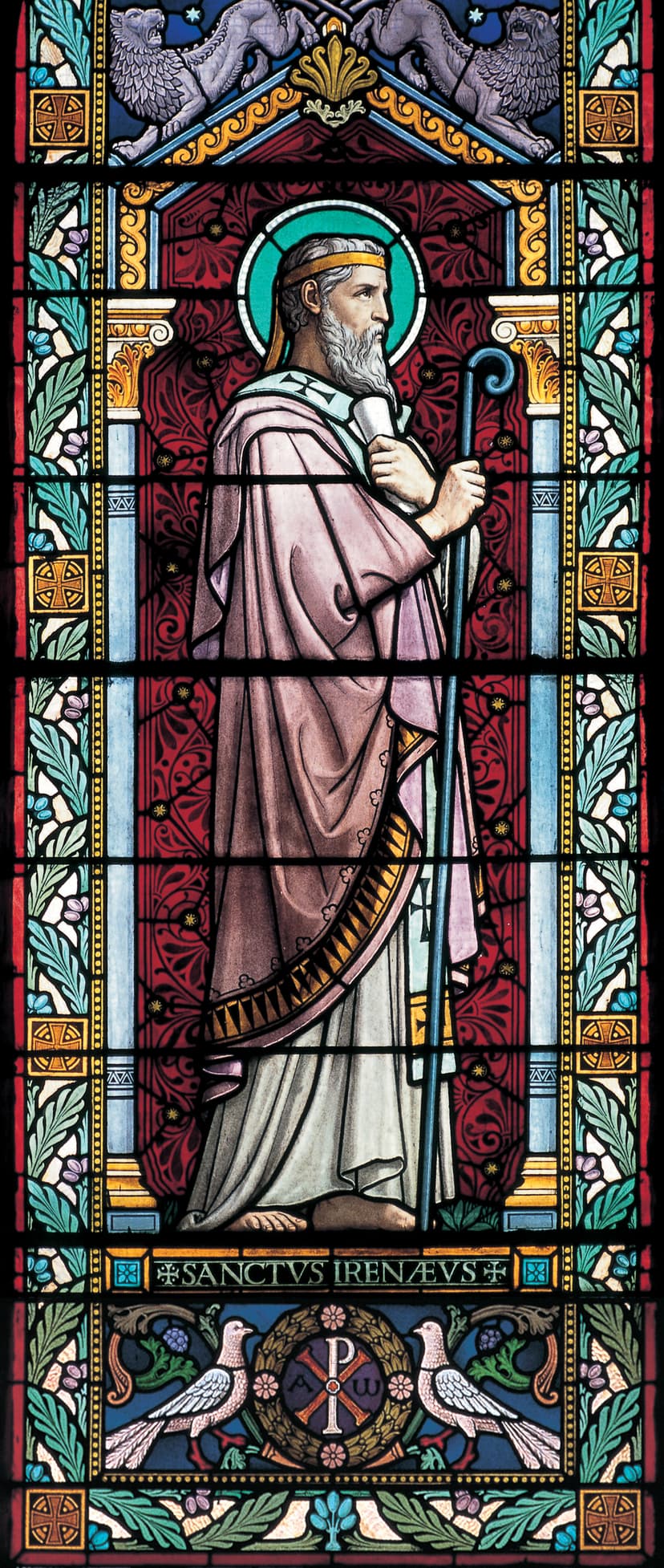
Irenaeus of Lyon
Irenaeus of Lyon was a Greek bishop in the second century, renowned for his theological writings that opposed Gnostic interpretations of Christian Scripture and defended orthodoxy. As bishop of Lyon, he is best known for his work "Against Heresies," a refutation of Gnosticism, where he established the importance of scriptures, apostolic tradition, and the teaching of apostolic successors. He is the earliest known witness to consider all four canonical Gospels essential and is venerated as a saint and Doctor of the Church.