
Matthew the Evangelist
September 21·1st century·Judea
Matthew the Apostle was one of the twelve disciples of Jesus and is traditionally credited as the author of the Gospel of Matthew. He is remembered for his calling by Jesus from his profession as a tax collector and for his missionary work, particularly in Judea and Ethiopia. According to tradition, he died as a martyr.
Key Facts
- ›Matthew is identified in the New Testament as a tax collector called by Jesus to be an apostle.
- ›He is listed among the twelve Disciples in the Gospels of Mark and Luke, where the tax collector called is named Levi, son of Alphaeus.
- ›Early Church Fathers attribute the authorship of the Gospel of Matthew to the apostle, though modern scholars debate this.
- ›Tradition holds that Matthew preached the gospel in Judea and then in other countries, most notably Ethiopia.
- ›Both the Catholic and Orthodox Churches hold the tradition that Matthew died as a martyr.
- ›His tomb is located in the crypt of Salerno Cathedral in southern Italy.
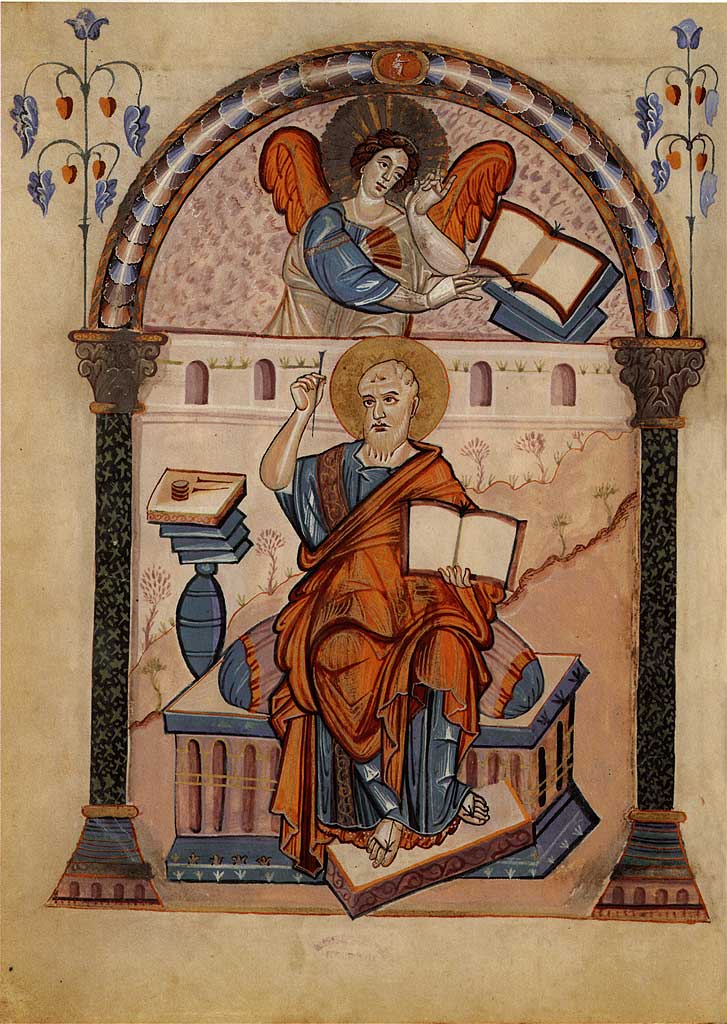
Matthew the Evangelist, Levi
Winged Man
About Matthew the Evangelist
Matthew the Apostle
Matthew the Apostle was one of the twelve apostles of Jesus Christ. Christian tradition widely identifies him as the author of the Gospel of Matthew, earning him the title Matthew the Evangelist. His calling by Jesus from his former occupation as a tax collector is a significant event recorded in the New Testament.
Life and Ministry
The New Testament accounts in Matthew 9:9 and 10:3 describe Jesus calling Matthew, a tax collector sitting at his post, to follow him. Parallel passages in Mark and Luke refer to Jesus calling a tax collector named Levi, son of Alphaeus, suggesting a possible dual identity or name for the same individual. The Eastern Orthodox Church tradition considers Matthew and James, son of Alphaeus, to be brothers, as both have Alphaeus as their father.
After Jesus' ascension, Matthew was among the disciples who gathered in Jerusalem. Early Church Fathers, such as Irenaeus and Clement of Alexandria, reported that Matthew preached the gospel in Judea to the Jewish community before venturing to other countries. While the exact locations are debated, Ethiopia is frequently mentioned, though this may refer to ancient Persia.
The Gospel of Matthew
Early Christian tradition, notably attested by Papias of Hierapolis, attributes the Gospel of Matthew to the apostle himself, suggesting it was originally written in Hebrew or Aramaic. However, a consensus among modern biblical scholars is that the Gospel was likely written anonymously, with the superscription "according to Matthew" added later, potentially in the second century. While the author is not named within the text, it is possible that the Gospel incorporates a source written by the disciple.
Martyrdom and Veneration
Both the Catholic Church and the Eastern Orthodox Church uphold the tradition that Matthew died as a martyr. One account describes his death occurring in Ethiopia, where he converted and consecrated King Egippus's virgin daughter, Ephigenia, to God. When King Hirtacus sought Ephigenia's hand, Matthew rebuked him, leading the enraged king to order his bodyguard to kill the apostle at the altar.
Matthew is venerated as a saint in the Roman Catholic, Eastern Orthodox, Lutheran, and Anglican churches. His feast day is observed on September 21 in the Catholic, Lutheran, and Anglican traditions. In the Eastern Orthodox Church, he is commemorated on November 16, and also as part of the Synaxis of the Twelve Apostles on June 30.
Artistic Depiction and Legacy
In Christian art, Matthew is often depicted with a winged man, symbolizing the human aspect of Christ or the Incarnation, one of the four living creatures from the Book of Revelation. His calling by Christ has been a subject of famous artistic interpretations, notably by Caravaggio. His tomb is preserved in the crypt of Salerno Cathedral in southern Italy.
Other Traditions
In Islam, while the Quran refers to Jesus' disciples, Matthew is named in Muslim exegesis and commentary as one of the "helpers to the work of Allah" who preached in Ethiopia. The Druze faith also honors Matthew the Apostle as a prophet and a significant figure among the five great prophets of the first century, alongside Jesus, John the Baptist, Mark, and Luke.
Source: Wikipedia ↗
Frequently Asked Questions
Who was Matthew the Apostle?
Matthew the Apostle was one of the twelve apostles chosen by Jesus Christ. He is also traditionally regarded as the author of the Gospel of Matthew and is therefore often referred to as Matthew the Evangelist.
What is Matthew the Apostle known for?
He is primarily known for being called by Jesus from his profession as a tax collector, an event depicted in the Gospels. Tradition also credits him with writing the Gospel of Matthew and undertaking missionary work.
Did Matthew the Apostle write the Gospel of Matthew?
Early Church tradition, dating back to Papias of Hierapolis, attributes the Gospel of Matthew to the apostle. However, most modern scholars suggest the Gospel was written anonymously, though it may incorporate material from a source written by the disciple.
Where did Matthew the Apostle preach?
According to Church Fathers, Matthew preached the gospel in Judea before traveling to other countries. Ancient sources commonly mention Ethiopia, though this may refer to a region south of the Caspian Sea rather than modern-day Ethiopia.
How did Matthew the Apostle die?
Both the Catholic and Orthodox Churches hold the tradition that Matthew died as a martyr. Some traditions recount that he was killed by order of King Hirtacus of Ethiopia while standing at the altar.
Where are the relics of Matthew the Apostle located?
The tomb of Saint Matthew the Apostle is located in the crypt of Salerno Cathedral in southern Italy.
Related Saints
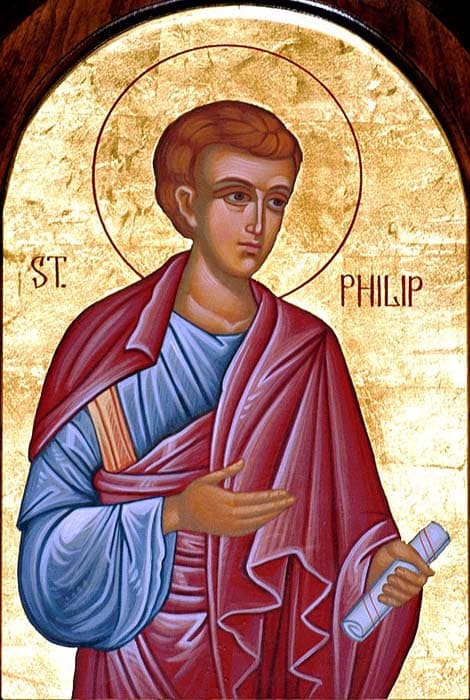
Philip the Evangelist
Philip the Evangelist was one of the Seven chosen to care for the poor of the early Christian community in Jerusalem. He is remembered for his successful preaching and miracles in Samaria and for baptizing the Ethiopian eunuch, an event traditionally marking the start of the Ethiopian Church. Philip later settled in Caesarea Maritima, where he lived with his four prophetic daughters and hosted Paul the Apostle.
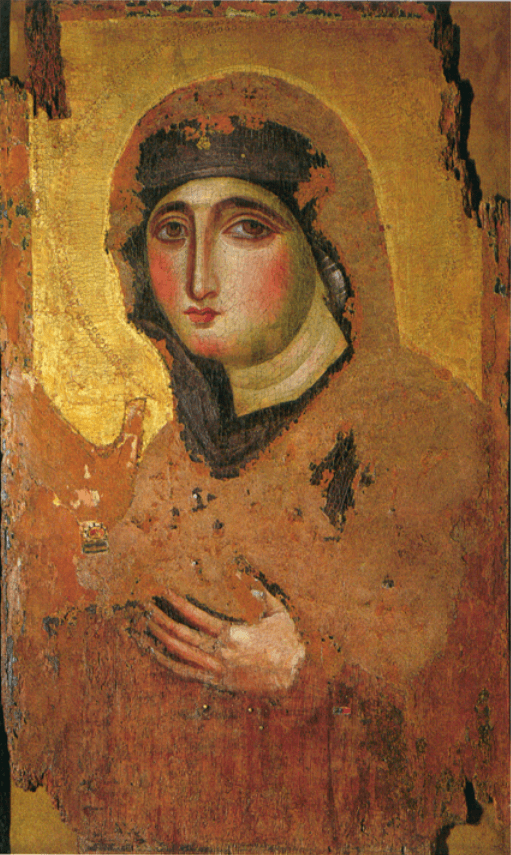
Mary of Nazareth
Mary of Nazareth was a first-century Jewish woman, wife of Joseph and mother of Jesus. She is a pivotal figure in Christianity, venerated for her role as the Mother of God and often called the Blessed Virgin Mary. Her significance extends to Islam, where she is highly revered as Maryam, mother of Isa.
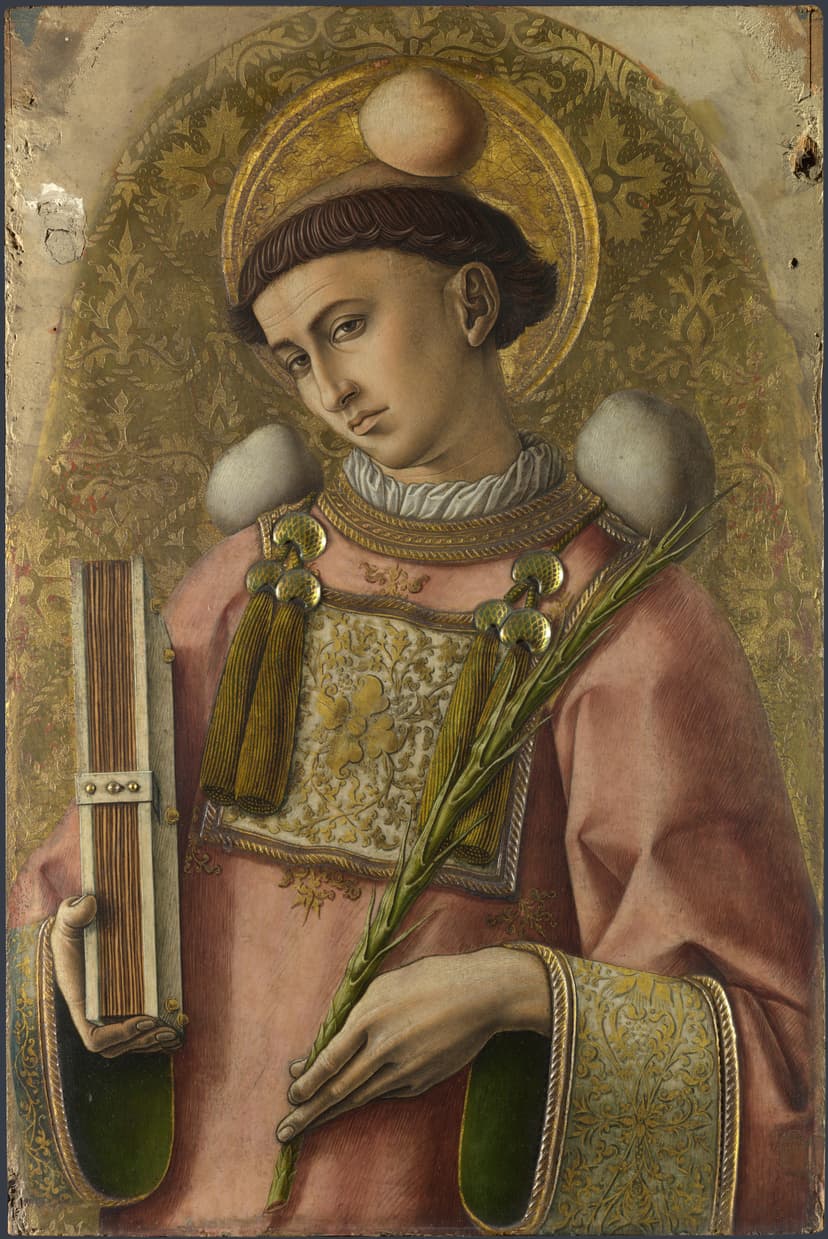
Stephen the Protomartyr
Stephen the Protomartyr is traditionally venerated as the first Christian martyr. According to the Acts of the Apostles, he was a deacon in early Jerusalem who was stoned to death after being accused of blasphemy. He is remembered for his faith, his defense of Christianity, and his prayer for his persecutors.