
Stephen the Protomartyr
December 26·1st century·Jerusalem
Stephen the Protomartyr is traditionally venerated as the first Christian martyr. According to the Acts of the Apostles, he was a deacon in early Jerusalem who was stoned to death after being accused of blasphemy. He is remembered for his faith, his defense of Christianity, and his prayer for his persecutors.
Key Facts
- ›Stephen was one of the seven Deacons appointed by the Apostles to distribute charitable aid in the early church.
- ›He was accused of blasphemy and brought before the Sanhedrin, where he delivered a long speech recounting Israelite history.
- ›He was stoned to death, with Saul of Tarsus (later Paul the Apostle) present as a witness.
- ›His feast day is celebrated on December 26 in Western Christianity and on December 27 in Eastern Christianity.
- ›His relics were discovered in 415 and translated to various churches, including San Lorenzo fuori le Mura in Rome.
- ›Artistic representations often depict him with a crown, stones, and a martyr's palm.
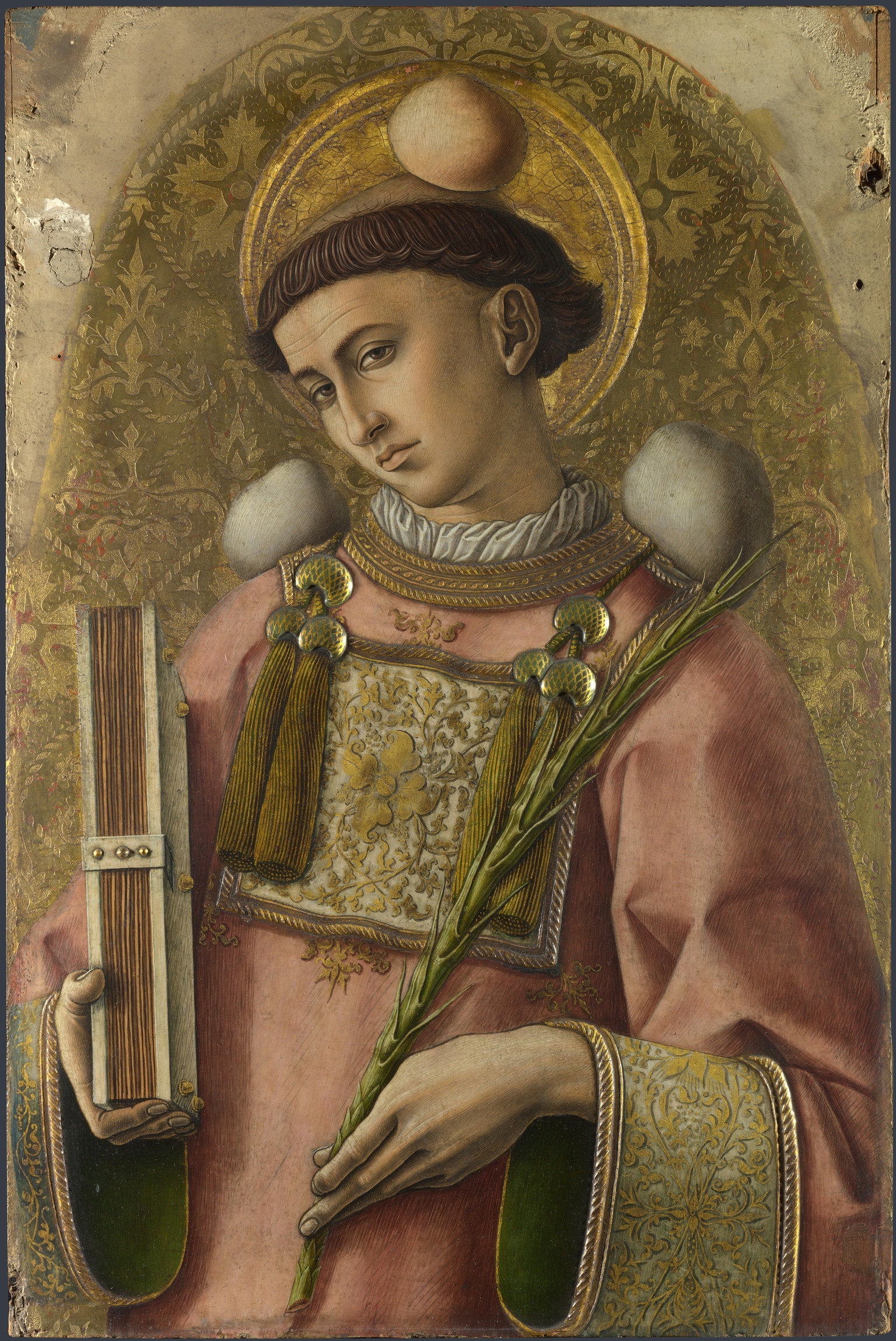
Protomartyr, First Martyr of Christianity, Archdeacon (Orthodox belief)
Deacons, Stone Masons
Crown, Three Stones, Martyr's Palm Frond, Censer, Miniature Church Building
About Stephen the Protomartyr
Stephen the Protomartyr is traditionally venerated as the first Christian martyr, whose account is preserved in the New Testament book of Acts of the Apostles. His life and death are pivotal in the early history of Christianity, marking the transition from the nascent faith primarily within Jewish communities to its broader outreach.
Life and Ministry
Stephen is introduced in Acts 6 as one of the Seven Deacons, chosen by the Apostles to oversee the daily charitable distribution of food to the poorer members of the early Christian community in Jerusalem, particularly the widows of Hellenistic Jews. His Greek name, Stephanos, suggests he was likely a Hellenistic Jew himself. He is described as being full of faith and the Holy Spirit, performing miracles and engaging in theological debates.
Trial and Martyrdom
Stephen's teachings and signs drew opposition from synagogues of Hellenistic Jews. When challenged, Stephen bested them in debate, leading his opponents to suborn false testimony that he had spoken blasphemy against Moses and God. He was brought before the Sanhedrin, accused of preaching against the Temple and the Torah. In response, Stephen delivered a long speech, recounted in Acts 7, which reviewed Israelite history, emphasizing God's presence beyond physical structures like the Temple and highlighting Israel's persistent disobedience. He denounced his accusers as "stiff-necked" people who resisted the Holy Spirit and had betrayed and murdered the "Just One" (Jesus). As the crowd became enraged, Stephen proclaimed he saw the heavens opened and Jesus standing at the right hand of God. The account states he was then stoned to death, praying for his persecutors and commending his spirit to the Lord. Saul of Tarsus, a Pharisee and Roman citizen, was involved as a witness and consented to Stephen's death.
Historical Context and Theological Significance
Stephen's speech is the longest in Acts and has been analyzed for its theological points and potential discrepancies with Old Testament accounts, which some scholars interpret as deliberate theological statements or reflections of ancient Jewish traditions. Parallels have been drawn between Stephen's martyrdom and Jesus' crucifixion, including their condemnation on charges of blasphemy, being put to death outside the city, praying for enemies, and commending their souls to God. Pope Benedict XVI noted that Stephen used Jewish scriptures to argue that Jesus fulfilled, rather than subverted, the laws of Moses. The criticism of the Temple and traditional practices in his speech has led to discussions about its anti-Jewish polemic.
Veneration and Legacy
Stephen is venerated as a saint by the Catholic, Anglican, Oriental Orthodox, Eastern Orthodox, and Lutheran churches. His feast day, Saint Stephen's Day, is observed on December 26 in Western Christianity and December 27 in Eastern Christianity, often as part of the Christmas octave. His relics were purportedly discovered in 415 and translated to various churches, notably the Church of Hagia Sion in Jerusalem and later to San Lorenzo fuori le Mura in Rome. Artistic representations frequently depict him with symbols of martyrdom, such as a crown, stones, and a palm frond. His legacy lies in his status as the protomartyr, a symbol of unwavering faith, and a model of forgiveness in the face of persecution.
Source: Wikipedia ↗
Frequently Asked Questions
Who was Stephen the Protomartyr?
Stephen the Protomartyr is traditionally venerated as the first Christian martyr. He was a deacon in the early church in Jerusalem who was stoned to death for his teachings.
What is Stephen remembered for?
Stephen is remembered for his faith, his courageous defense of Christianity before the Sanhedrin, and his prayer for his executioners. He is also known for performing miracles and for his role in the early church's charitable distribution.
What does the name Stephen mean?
The name Stephen is Greek (Στέφανος) and means 'wreath' or 'crown,' a symbol of martyrdom often associated with him in art.
What was the main accusation against Stephen?
Stephen was accused of blasphemy against Moses and God, and of preaching against the Temple and the Torah. These accusations stemmed from his teachings among Hellenistic Jews.
Who was involved in Stephen's death?
According to the Acts of the Apostles, Stephen was stoned to death by a crowd. Saul of Tarsus, who later became the Apostle Paul, was present and consented to his death, holding the cloaks of those who stoned him.
When is Saint Stephen's Day celebrated?
Saint Stephen's Day is celebrated on December 26 in Western Christianity and on December 27 in Eastern Christianity. It is often observed as the 'Second Day of Christmas' or the 'Third Day of the Nativity'.
Related Saints
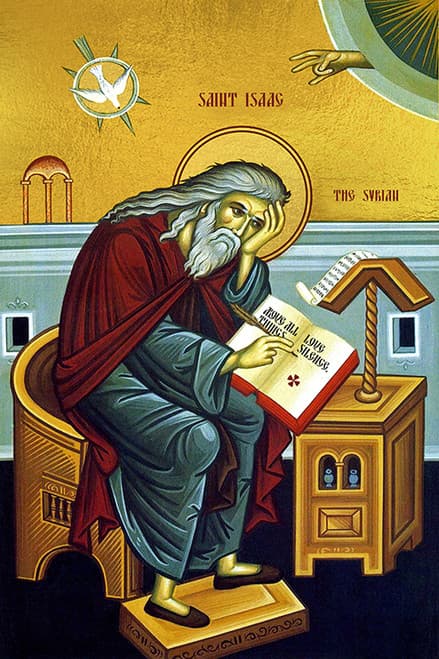
Isaac the Syrian
Isaac the Syrian was a 7th-century Syriac Christian bishop and theologian, best known for his influential writings on Christian asceticism. He is venerated as a saint in multiple Christian traditions and is remembered for his profound spiritual insights and emphasis on divine mercy. His discourses on prayer, inner stillness, and universal salvation continue to impact Christian monasticism.
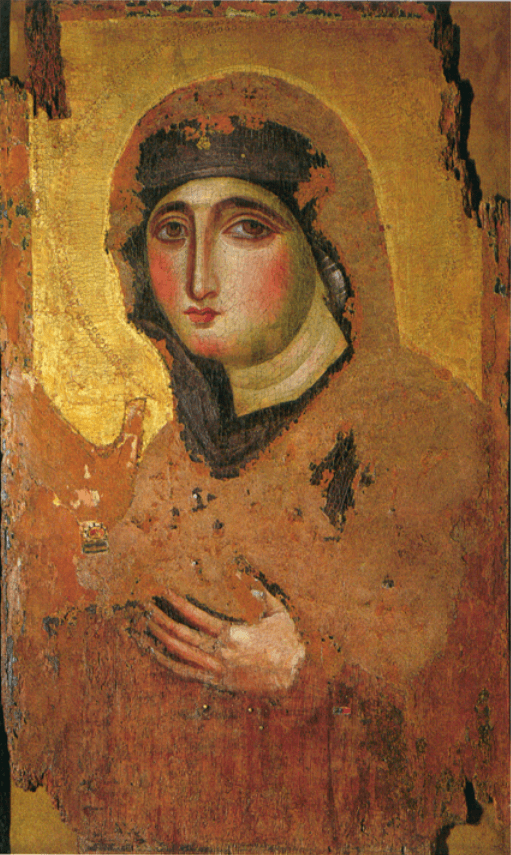
Mary of Nazareth
Mary of Nazareth was a first-century Jewish woman, wife of Joseph and mother of Jesus. She is a pivotal figure in Christianity, venerated for her role as the Mother of God and often called the Blessed Virgin Mary. Her significance extends to Islam, where she is highly revered as Maryam, mother of Isa.
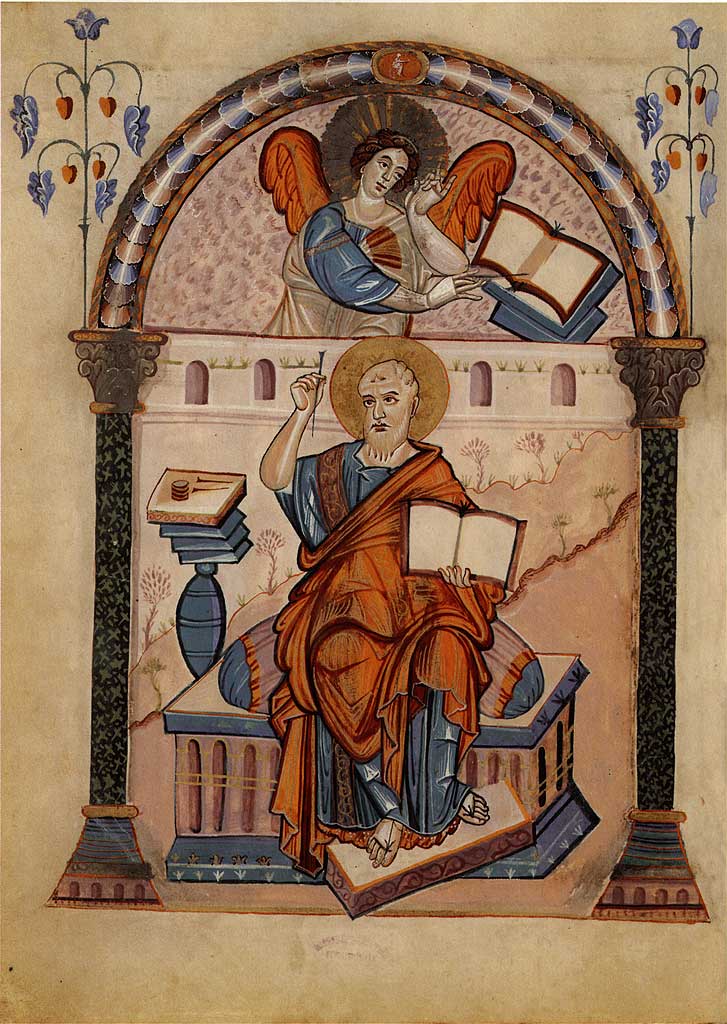
Matthew the Evangelist
Matthew the Apostle was one of the twelve disciples of Jesus and is traditionally credited as the author of the Gospel of Matthew. He is remembered for his calling by Jesus from his profession as a tax collector and for his missionary work, particularly in Judea and Ethiopia. According to tradition, he died as a martyr.