
Philip the Evangelist
October 11·1st century·Israel
Philip the Evangelist was one of the Seven chosen to care for the poor of the early Christian community in Jerusalem. He is remembered for his successful preaching and miracles in Samaria and for baptizing the Ethiopian eunuch, an event traditionally marking the start of the Ethiopian Church. Philip later settled in Caesarea Maritima, where he lived with his four prophetic daughters and hosted Paul the Apostle.
Key Facts
- ›He was one of the seven chosen to attend to temporal affairs of the church in Jerusalem.
- ›Philip preached with success in Samaria, converting Simon Magus.
- ›He baptized an Ethiopian eunuch on the road from Jerusalem to Gaza.
- ›Philip later lived in Caesarea Maritima with his four prophesying daughters.
- ›He hosted Paul the Apostle on his journey to Jerusalem.
- ›He is described as 'the evangelist' in the Acts of the Apostles.
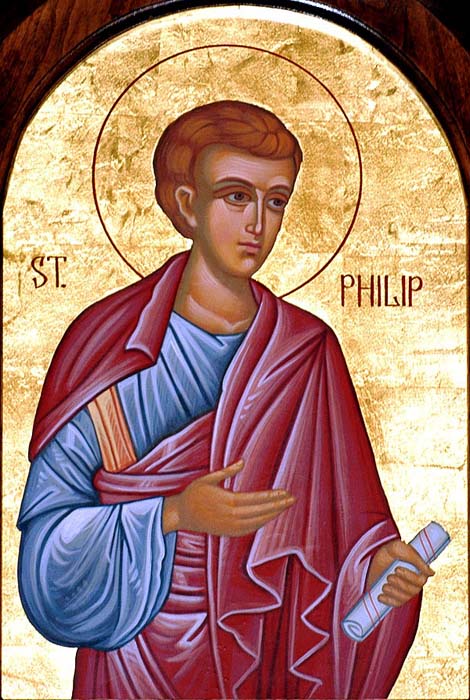
Philip the Deacon, Saint Philip the Deacon
Ethiopian Church
About Philip the Evangelist
Philip the Evangelist was a prominent figure in the early Christian church, appearing several times in the Book of Acts. He is recognized for his role as one of the first deacons and for his significant missionary efforts.
Early Ministry and Samaria
Philip is first introduced in Acts 6:5 as one of the Seven chosen by the early Christian community in Jerusalem to oversee the distribution of aid to the poor, particularly to address grievances from Hellenistic Jews. Following the martyrdom of Stephen, Philip traveled to Samaria, where he preached the Gospel with considerable success. Notably, Simon Magus, a sorcerer, was among his converts.
The Ethiopian Eunuch
A pivotal moment in Philip's ministry, as recounted in Acts 8:26–39, involved a divine encounter on the road between Jerusalem and Gaza. Instructed by an angel, Philip met and evangelized an Ethiopian eunuch, a high-ranking official of the queen of Ethiopia. Philip baptized the eunuch, an event that is traditionally regarded as the founding moment of the Ethiopian Church.
Life in Caesarea Maritima
After his encounter with the Ethiopian eunuch, Philip was miraculously transported by the Spirit to Azotus (Ashdod) and continued his preaching journey through various cities until he reached Caesarea Maritima. He made this coastal city his home. Years later, Acts 21:8–9 describes Philip, identified as "the evangelist," hosting the Apostle Paul and his companions as they traveled to Jerusalem. At this time, Philip was living with his four daughters, all of whom were virgins and possessed the gift of prophecy.
Tradition and Veneration
Over time, Philip the Evangelist was sometimes confused with Philip the Apostle due to his significant role and esteemed position within the early church. Some traditions place him as the bishop of Tralles in Anatolia. His feast day is widely celebrated on October 11 in various Christian denominations, including the Eastern Orthodox Church, Roman Catholic Church, Lutheran Church–Missouri Synod, and Anglican Communion.
Source: Wikipedia ↗
Frequently Asked Questions
Who was Philip the Evangelist?
Philip the Evangelist was an early Christian figure mentioned in the Acts of the Apostles. He was one of the Seven chosen to care for the poor in Jerusalem and is known for his missionary work and miracles.
What is Philip the Evangelist most remembered for?
He is chiefly remembered for preaching in Samaria, converting Simon Magus, and for baptizing the Ethiopian eunuch. This baptism is traditionally seen as the start of the Ethiopian Church.
Where did Philip the Evangelist live?
Philip initially served in Jerusalem. He later preached in Samaria and then settled in Caesarea Maritima, where he lived with his family and hosted Paul the Apostle.
Did Philip the Evangelist have any special gifts?
The Acts of the Apostles states that Philip had four daughters who were virgins and prophesied. Philip himself is described as performing miracles and preaching with great success.
When is Philip the Evangelist's feast day?
Philip the Evangelist, also known as Philip the Deacon, is commemorated on October 11 in various traditions, including the Eastern Orthodox Church, Roman Rite, Lutheran Church–Missouri Synod, and Anglican Communion.
Related Saints
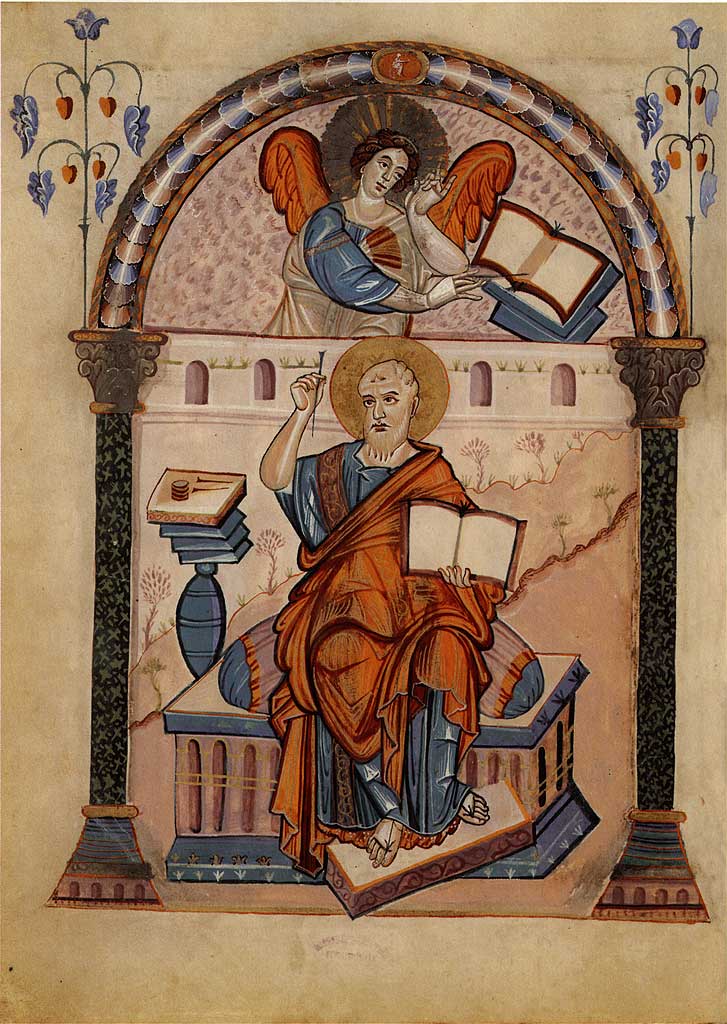
Matthew the Evangelist
Matthew the Apostle was one of the twelve disciples of Jesus and is traditionally credited as the author of the Gospel of Matthew. He is remembered for his calling by Jesus from his profession as a tax collector and for his missionary work, particularly in Judea and Ethiopia. According to tradition, he died as a martyr.
Phoebe the Deaconess
Phoebe was a first-century Christian woman from Cenchreae, recognized by the Apostle Paul as a "deacon" (diakonos) and a "helper" or "patron" (prostatis). She is chiefly remembered for her trusted role in delivering Paul's Epistle to the Romans to the church in Rome, serving as Paul's emissary and providing credentials for her introduction.
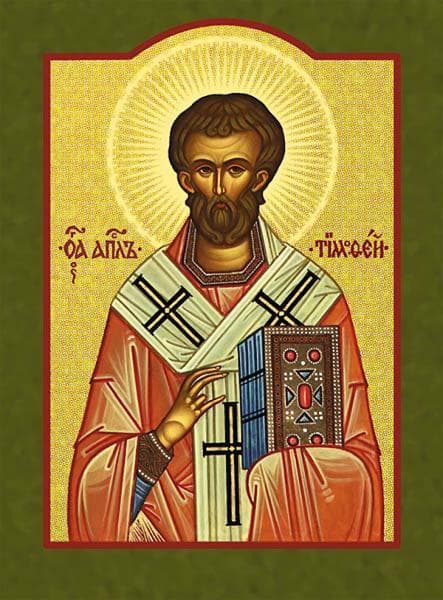
Timothy of Ephesus
Timothy of Ephesus was an early Christian evangelist and the first Bishop of Ephesus, known as a close companion and missionary partner of the Apostle Paul. He is chiefly remembered as the recipient of two New Testament epistles and for his leadership in the early church, eventually becoming a martyr in Ephesus. Timothy is venerated as a saint and apostle in various Christian traditions.