
Phoebe the Deaconess
September 3·1st century·Greece
Phoebe was a first-century Christian woman from Cenchreae, recognized by the Apostle Paul as a "deacon" (diakonos) and a "helper" or "patron" (prostatis). She is chiefly remembered for her trusted role in delivering Paul's Epistle to the Romans to the church in Rome, serving as Paul's emissary and providing credentials for her introduction.
Key Facts
- ›Phoebe was a first-century Christian woman mentioned in Romans 16:1-2.
- ›Paul referred to her as a "deacon" (diakonos) and a "helper" or "patron" (prostatis).
- ›She is believed to have delivered Paul's Epistle to the Romans to the church in Rome.
- ›The name Phoebe means "pure", "radiant", or "bright".
- ›Her ministry may have extended beyond charitable works to include preaching and evangelization.
- ›She is venerated by the Catholic Church, Eastern Orthodox Church, and Episcopal Church.
About Phoebe the Deaconess
Phoebe was a significant figure in the early Christian church of the first century, specifically associated with Cenchreae, a port of Corinth in Greece. She is known primarily through her mention by the Apostle Paul in Romans 16:1–2, where he commends her to the church in Rome.
Role and Titles
Paul describes Phoebe using two important Greek terms: "diakonos" (διάκονος) and "prostatis" (προστάτης). "Diakonos," translated as "deacon," signifies a minister or servant appointed to assist church leaders. The text notes that this is the only instance in the New Testament where a woman is explicitly called a "deacon." Some scholars suggest that Phoebe's ministry, like that of Stephen and Philip, might have extended beyond charitable duties to include preaching and evangelization, reflecting the less defined roles in the nascent church.
The term "prostatis" implies a protector, helper, or patron. This suggests Phoebe was a woman of considerable means and influence, who likely provided financial support for Paul's missionary endeavors and offered hospitality to travelers and church members, possibly even hosting the house church in Cenchreae.
Emissary to Rome
Phoebe's most notable role was as the trusted bearer of Paul's Epistle to the Romans. As Paul had not yet visited Rome, he likely sent Phoebe as his emissary to introduce himself and his letter to the Roman Christian community. He provided her with credentials to ensure she would be received "in a way worthy of his people" and offered any assistance she might need, highlighting the respect and confidence he placed in her.
Veneration
Phoebe is venerated as a saint in several Christian traditions. Her feast day is celebrated on September 3 by the Catholic Church, the Eastern Orthodox Church, and the Episcopal Church in the United States, where it is designated a Lesser Feast. The Lutheran Church–Missouri Synod remembers her on October 25, while the Evangelical Lutheran Church in America commemorates her on January 27 alongside Lydia of Thyatira and Dorcas.
The name Phoebe itself means "pure," "radiant," or "bright," and was also the name of a Titan in Greek mythology, adding a layer of cultural resonance to her identity.
Source: Wikipedia ↗
Frequently Asked Questions
Who was Phoebe?
Phoebe was a first-century Christian woman from Cenchreae, mentioned by the Apostle Paul in his Epistle to the Romans. Paul described her as a "deacon" and a "helper" or "patron" of many.
What was Phoebe's role in the Epistle to the Romans?
Paul entrusted Phoebe with delivering his letter to the church in Rome. He used her as his emissary and provided her with credentials to introduce her to the Roman Christians, whom he did not know personally.
What does the title "deacon" mean for Phoebe?
Paul used the Greek term "diakonos" for Phoebe, which can mean "servant" or a specially-appointed "assistant" to church overseers. Some scholars believe her ministry may have included preaching and evangelization.
What does the title "prostatis" mean for Phoebe?
The Greek word "prostatis" indicates a leader, guardian, or protector, and was also used to translate the Roman concept of a patron. This suggests Phoebe was a woman of means who likely provided financial support and hospitality.
When is Phoebe's feast day?
Phoebe's feast day is observed on September 3 in the Catholic Church, Eastern Orthodox Church, and Episcopal Church. Other traditions commemorate her on different dates in January or October.
Related Saints
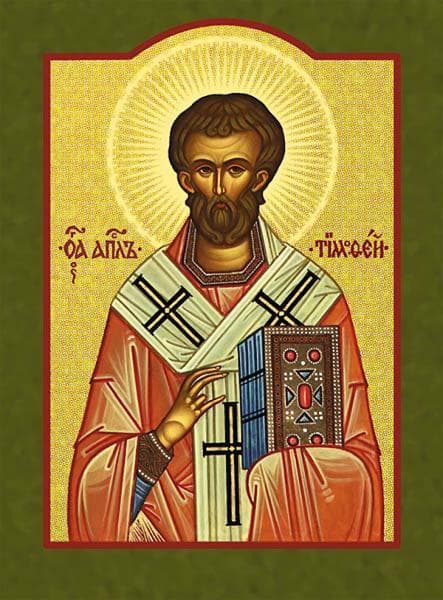
Timothy of Ephesus
Timothy of Ephesus was an early Christian evangelist and the first Bishop of Ephesus, known as a close companion and missionary partner of the Apostle Paul. He is chiefly remembered as the recipient of two New Testament epistles and for his leadership in the early church, eventually becoming a martyr in Ephesus. Timothy is venerated as a saint and apostle in various Christian traditions.
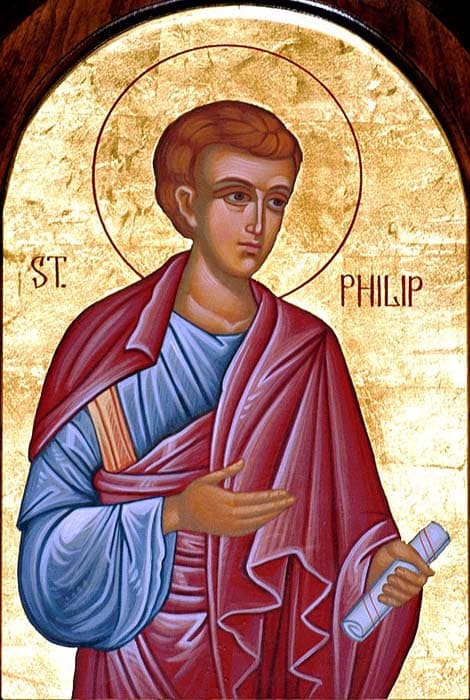
Philip the Evangelist
Philip the Evangelist was one of the Seven chosen to care for the poor of the early Christian community in Jerusalem. He is remembered for his successful preaching and miracles in Samaria and for baptizing the Ethiopian eunuch, an event traditionally marking the start of the Ethiopian Church. Philip later settled in Caesarea Maritima, where he lived with his four prophetic daughters and hosted Paul the Apostle.
Joanna
Joanna, the wife of Chuza, was a follower of Jesus mentioned in the Gospels who provided for him and his disciples and was a witness to his resurrection. She is honored in various Christian traditions, particularly as a "Holy Myrrhbearer" in Orthodox and Lutheran churches. Her prominence in Luke's Gospel suggests a significant role, possibly as a key witness due to her potential familial connection to Theophilus.