
Timothy of Ephesus
January 26·1st century·Asia Minor
Timothy of Ephesus was an early Christian evangelist and the first Bishop of Ephesus, known as a close companion and missionary partner of the Apostle Paul. He is chiefly remembered as the recipient of two New Testament epistles and for his leadership in the early church, eventually becoming a martyr in Ephesus. Timothy is venerated as a saint and apostle in various Christian traditions.
Key Facts
- ›Timothy was a Jewish Christian with a Greek father, born in Lystra or Derbe in Asia Minor.
- ›He became a disciple and companion of the Apostle Paul during Paul's second missionary journey.
- ›Timothy is recognized as the first Bishop of Ephesus.
- ›He is the named recipient of two Pauline epistles in the New Testament: First and Second Timothy.
- ›According to the apocryphal Acts of Timothy, he was stoned to death around AD 97 for preaching the Gospel.
- ›His relics were transferred from Ephesus to Constantinople and later to Italy.
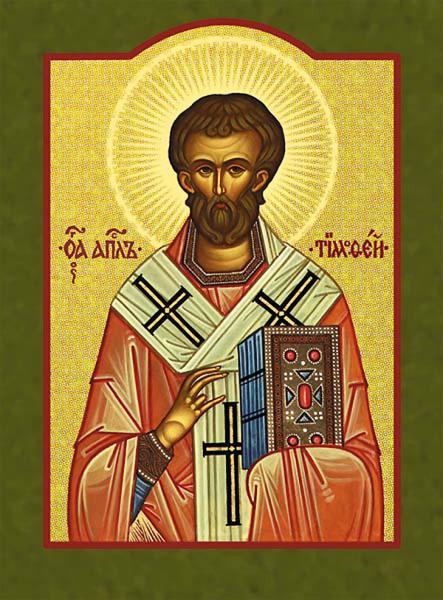
Saint Timothy
Stomach Disorders, Intestinal Disorders
About Timothy of Ephesus
Timothy of Ephesus was a significant figure in the early Christian church, serving as an evangelist and the first Bishop of Ephesus. Born in Asia Minor to a Jewish mother and a Greek father, Timothy became a devoted follower and close companion of the Apostle Paul. His life and ministry are chronicled in the New Testament, where he is notably the recipient of two Pauline epistles, First and Second Timothy, which have been foundational in Christian pastoral theology and church governance.
Life and Ministry
Paul encountered Timothy during his second missionary journey and was impressed by his piety and faith, which he had learned from his mother and grandmother. Although Timothy's father was Gentile, and he had not been circumcised, Paul had him circumcised to facilitate his ministry among Jewish communities. Timothy accompanied Paul on numerous missionary journeys, demonstrating great zeal and loyalty, even when facing personal challenges such as ill health or his naturally reserved disposition. He played a crucial role in establishing and guiding Christian communities, particularly in Ephesus, where he was appointed bishop.
Writings and Legacy
Beyond his direct involvement in missionary work, Timothy is remembered for his association with the Pastoral Epistles. These letters, attributed to Paul, offer extensive instructions on leadership, doctrine, and the organization of the church, with Timothy as the intended recipient. The New Testament also lists Timothy as a co-author on several other Pauline epistles, underscoring his close relationship with Paul. The apocryphal Acts of Timothy recounts his martyrdom around AD 97, stating he was stoned to death in Ephesus for preaching the Gospel, solidifying his veneration as a martyr.
Veneration
Timothy is honored in various Christian traditions, including the Catholic Church, Eastern Orthodox Church, and Anglican Communion. His feast day is observed on January 26, often celebrated alongside Saint Titus. His relics were historically significant, with traditions placing them in Constantinople and later in Italy. He is invoked against stomach and intestinal disorders, reflecting a historical association with his physical ailments.
Source: Wikipedia ↗
Frequently Asked Questions
Who was Timothy of Ephesus?
Timothy of Ephesus was an early Christian evangelist and the first Bishop of Ephesus. He was a close companion and missionary partner of the Apostle Paul, traveling with him and assisting in his ministry.
What is Timothy of Ephesus known for?
He is known as the recipient of two epistles in the New Testament, First and Second Timothy, which offer guidance on church organization and pastoral care. Timothy is also recognized for his leadership in the early church and is venerated as a martyr.
What does the New Testament say about Timothy's background?
The New Testament indicates Timothy was born of a Jewish mother and a Greek father. His mother, Eunice, and grandmother, Lois, were noted for their piety and faith. He was from Lystra or Derbe in Asia Minor.
How did Timothy die?
According to the apocryphal Acts of Timothy, he was martyred around AD 97. While attempting to halt a pagan procession in honor of the goddess Diana in Ephesus, he was beaten, dragged through the streets, and stoned to death by angry pagans.
Where are Timothy's relics located?
The relics of Timothy were initially transferred from Ephesus to Constantinople in the 4th century. In the 13th century, they were reportedly taken to Italy and buried around 1239 in the Termoli Cathedral, where they were rediscovered in 1945.
What is Timothy's feast day?
Timothy is venerated on different days in various Christian traditions. In the Catholic Church and the Anglican Communion, he is commemorated with Titus on January 26. The Eastern Orthodox Church celebrates his feast day on January 22.
Related Saints
Phoebe the Deaconess
Phoebe was a first-century Christian woman from Cenchreae, recognized by the Apostle Paul as a "deacon" (diakonos) and a "helper" or "patron" (prostatis). She is chiefly remembered for her trusted role in delivering Paul's Epistle to the Romans to the church in Rome, serving as Paul's emissary and providing credentials for her introduction.
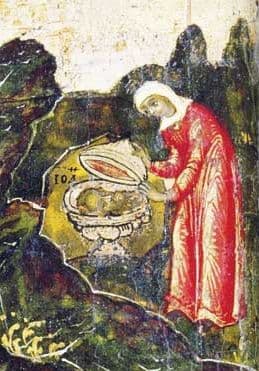
Joanna
Joanna, the wife of Chuza, was a follower of Jesus mentioned in the Gospels who provided for him and his disciples and was a witness to his resurrection. She is honored in various Christian traditions, particularly as a "Holy Myrrhbearer" in Orthodox and Lutheran churches. Her prominence in Luke's Gospel suggests a significant role, possibly as a key witness due to her potential familial connection to Theophilus.
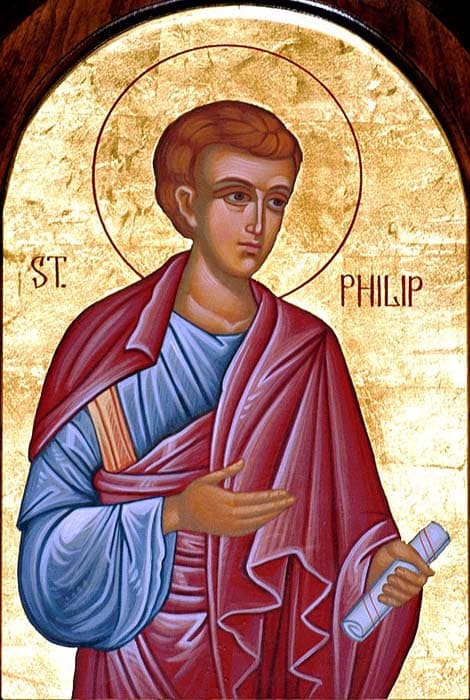
Philip the Evangelist
Philip the Evangelist was one of the Seven chosen to care for the poor of the early Christian community in Jerusalem. He is remembered for his successful preaching and miracles in Samaria and for baptizing the Ethiopian eunuch, an event traditionally marking the start of the Ethiopian Church. Philip later settled in Caesarea Maritima, where he lived with his four prophetic daughters and hosted Paul the Apostle.