
Alphaeus
Alphaeus is a figure mentioned in the New Testament, primarily identified as the father of two apostles: Matthew the Evangelist and James, son of Alphaeus. His identity is debated, with some traditions suggesting he may be the same person as Clopas, and that Matthew and James were brothers.
Key Facts
- ›Alphaeus is mentioned in the New Testament as the father of apostles Matthew and James.
- ›Mark 2:14 uses the name Levi for Matthew, suggesting Levi and Matthew are the same person.
- ›Eastern Church tradition holds that Matthew and James were brothers.
- ›The apocryphal Gospel of Peter refers to Levi as the son of Alphaeus.
- ›In later tradition, Alphaeus is considered the father of Joseph or Joses, Abercius, and Helena.
- ›He has been identified with Clopas, with Mary being referred to as his wife or daughter.
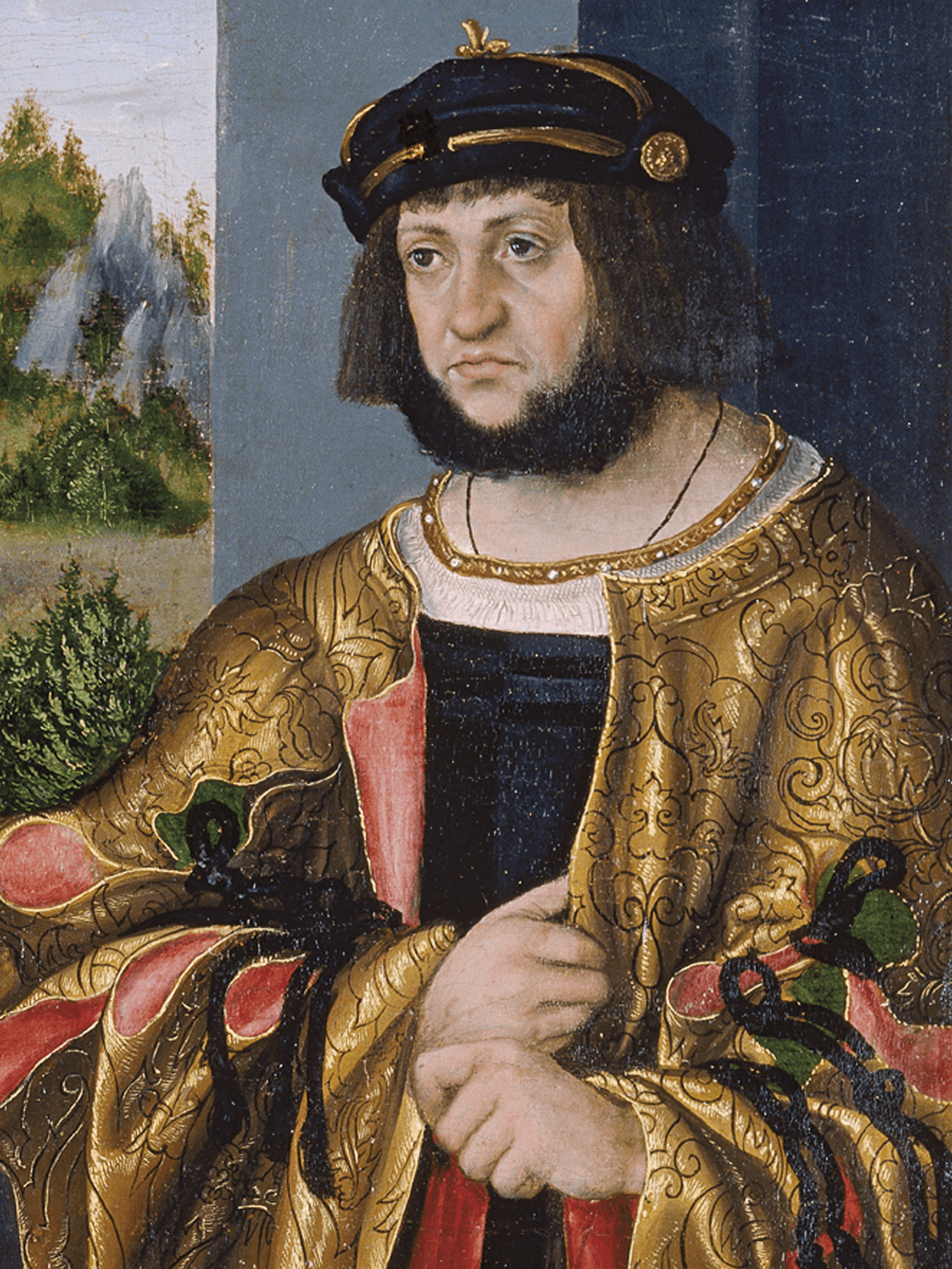
Levi, Clopas, Cleophas
About Alphaeus
Alphaeus is a figure named in the New Testament, notable for being identified as the father of two of the Twelve Apostles: Matthew the Evangelist and James, son of Alphaeus. The precise identity and relationships of Alphaeus have been a subject of discussion and varying traditions within Christian scholarship.
Biblical Mentions and Identity Debates
The New Testament presents Alphaeus as the father of James, son of Alphaeus. In the Gospel of Mark (2:14), the apostle Matthew is referred to as Levi, son of Alphaeus, suggesting that Matthew and Levi are the same individual, and thus also a son of Alphaeus. While the Gospels often list pairs of apostles as brothers (e.g., Peter and Andrew, James and John), Matthew and James, son of Alphaeus, are not explicitly called brothers in the biblical text, although Eastern Church tradition generally considers them to be so.
Identification with Clopas
A significant area of discussion revolves around the potential identification of Alphaeus with another New Testament figure, Clopas. This theory is supported by interpretations of Gospel accounts, particularly those mentioning Mary, the mother of James, and her relation to Clopas. Some scholars and historical translations identify 'Mary of Clopas' as Mary, the wife of Clopas. Early Christian writer Papias of Hierapolis, in fragments of his work, suggests that Cleophas and Alphaeus were the same person, identifying Mary as the wife of either Cleophas or Alphaeus and mother of James the bishop, Simon, Thaddeus, and Joseph. However, some scholars, like J.B. Lightfoot, have questioned the authenticity of this fragment. Etymologically, the names Alphaeus and Clopas are distinct, but it is proposed they could refer to the same individual, possibly representing different transliterations of an Aramaic name.
Later Traditions
Beyond his direct apostolic connection, traditions have further associated Alphaeus with other figures. He is implied to be the father of Joseph or Joses, and in later Church tradition, he is named as the father of Abercius and Helena.
Source: Wikipedia ↗
Frequently Asked Questions
Who was Alphaeus in the New Testament?
Alphaeus is a man mentioned in the New Testament primarily as the father of two apostles: Matthew the Evangelist and James, son of Alphaeus. The New Testament texts sometimes refer to Matthew as Levi, leading to discussions about their identities.
Are Matthew and James, son of Alphaeus, brothers?
While both are described as 'son of Alphaeus' in the Gospels, the Bible does not explicitly state they were brothers. However, Eastern Church tradition generally holds that Matthew and James were indeed brothers.
Is Alphaeus the same person as Clopas?
There is a significant scholarly debate and tradition that suggests Alphaeus may be the same individual as Clopas. This identification is influenced by parallel Gospel accounts, particularly concerning Mary, the mother of James.
What other figures is Alphaeus associated with?
Besides Matthew and James, Alphaeus is also implied to be the father of Joseph or Joses. In Church tradition, he is further identified as the father of Abercius and Helena.
Related Saints
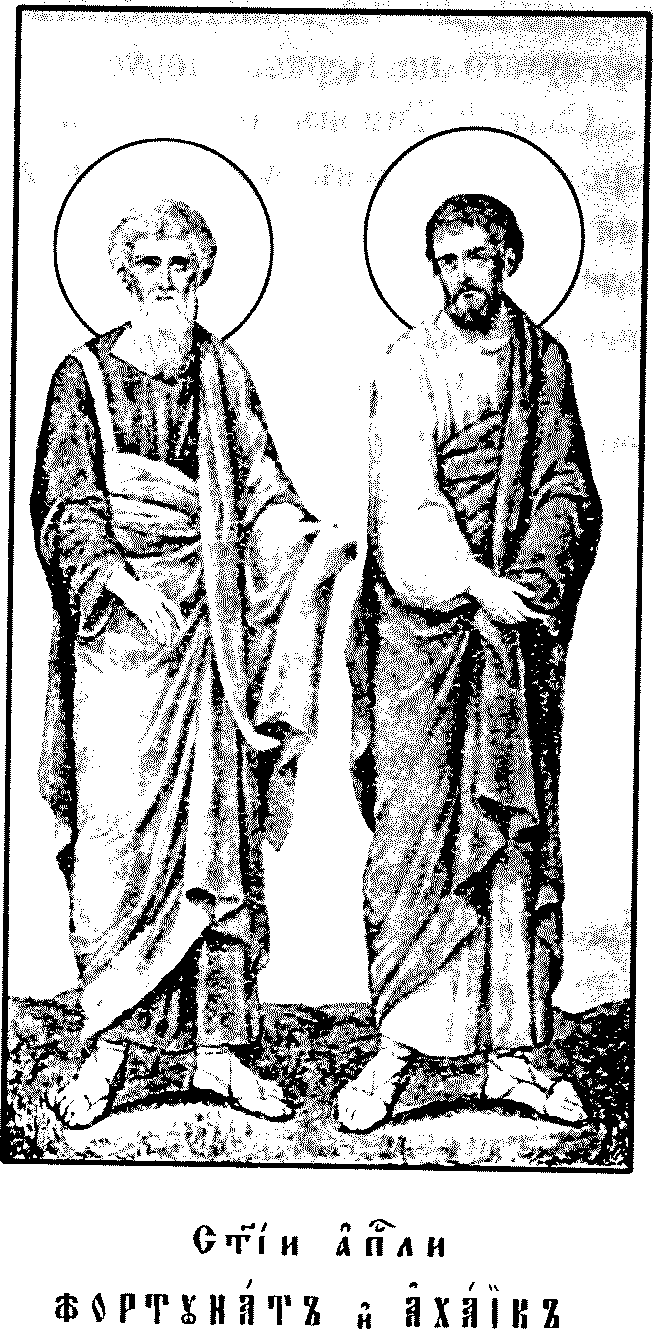
Achaicus of Corinth
Achaicus of Corinth was a Corinthian Christian saint, venerated in the Eastern Orthodox, Roman Catholic, and other Christian churches. He is chiefly remembered for accompanying Saints Fortunatus and Stephanas in carrying a letter from the Corinthians to Saint Paul and a reply from Paul back to the Corinthians, as recorded in the Bible.
Aidan of Lindisfarne
Aidan of Lindisfarne was an Irish monk and missionary instrumental in converting the Anglo-Saxons to Christianity in Northumbria. He founded Lindisfarne Priory, served as its first bishop, and traveled extensively to spread the gospel. He is recognized as a saint and known as the Apostle of Northumbria.
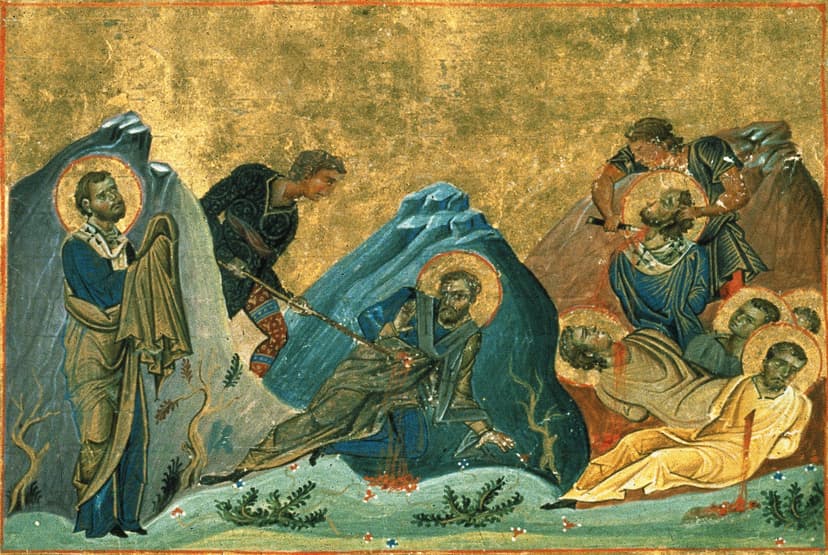
Ampliatus
Ampliatus was a Roman Christian mentioned by the Apostle Paul in his letter to the Romans. He is venerated as one of the Seventy Disciples in the Eastern Orthodox Church and is traditionally believed to have died a martyr. He is commemorated liturgically on October 31st.