
Achaicus of Corinth
June 15·Greece
Achaicus of Corinth was a Corinthian Christian saint, venerated in the Eastern Orthodox, Roman Catholic, and other Christian churches. He is chiefly remembered for accompanying Saints Fortunatus and Stephanas in carrying a letter from the Corinthians to Saint Paul and a reply from Paul back to the Corinthians, as recorded in the Bible.
Key Facts
- ›Achaicus was a Christian saint from Corinth.
- ›He is mentioned in the Bible in 1 Corinthians 16:17.
- ›He, along with Fortunatus and Stephanas, delivered messages between the Corinthians and Saint Paul.
- ›Eastern Orthodox tradition often numbers him among the Seventy Disciples.
- ›He is venerated by the Eastern Orthodox Church, Roman Catholic Church, and other Christian churches.
- ›His feast day in the Orthodox Church is June 15.
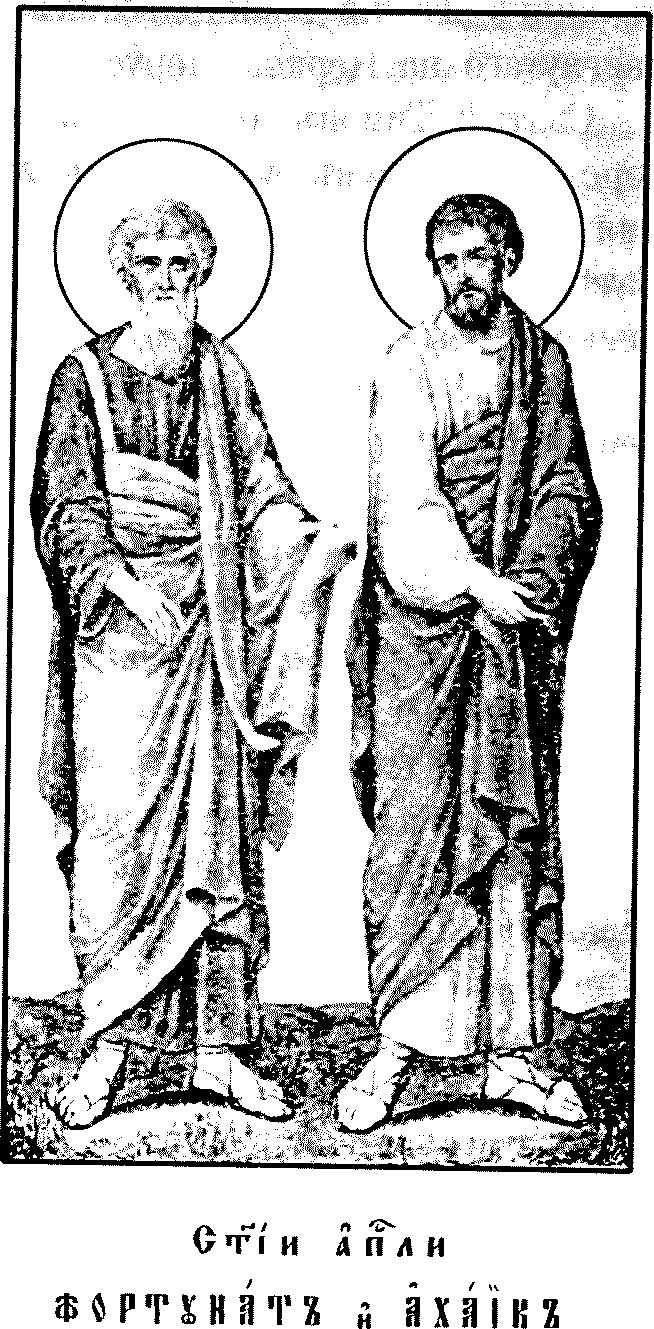
About Achaicus of Corinth
Achaicus of Corinth was a Corinthian Christian saint mentioned in the New Testament, primarily in the First Epistle to the Corinthians (1 Corinthians 16:17). He is historically significant for his role as a messenger in the early Christian church, facilitating communication between the church in Corinth and the Apostle Paul.
Life and Ministry
According to the biblical account, Achaicus, along with Saints Fortunatus and Stephanas, were instrumental in carrying a letter from the Corinthians to Saint Paul. They also brought back a letter from Saint Paul to the Corinthians. The exact means of their travel, whether by land from Corinth to Ephesus or by sea across the Aegean, is not specified in the biblical text.
In addition to his biblical mention, Achaicus is recognized in the holy tradition of the Eastern Orthodox Church, where he is often numbered among the Seventy Disciples. This tradition identifies a group of early followers sent out by Jesus, though their names are not explicitly listed in the Gospels. Various lists of these disciples, including Achaicus, have been compiled since the 7th century.
Veneration
Achaicus is venerated as a saint by multiple Christian denominations, including the Eastern Orthodox Church and the Roman Catholic Church. In the Eastern Orthodox tradition, his feast day is celebrated on June 15, often in conjunction with his companion Fortunatas. He is also remembered on January 4 as part of the Synaxis of the Seventy Apostles, a commemoration of this broader group of early followers.
Legacy
Achaicus's legacy is primarily tied to his service as a faithful messenger for the nascent Christian communities. His participation in the correspondence between Corinth and Paul underscores the importance of communication and community support in the early spread of Christianity. His inclusion in lists of the Seventy Disciples further solidifies his standing as an early and significant figure in Christian tradition.
Source: Wikipedia ↗
Frequently Asked Questions
Who was Achaicus of Corinth?
Achaicus of Corinth was a Corinthian Christian saint. He is mentioned in the Bible as one of the individuals who carried messages between the Corinthians and Saint Paul.
What is Achaicus known for in the Bible?
According to the Bible, specifically 1 Corinthians 16:17, Achaicus, along with Saints Fortunatus and Stephanas, delivered a letter from the Corinthians to Saint Paul and subsequently carried a letter from Saint Paul back to the Corinthians.
Is Achaicus considered one of the Seventy Disciples?
Holy tradition within the Eastern Orthodox Church often numbers Achaicus as one of the Seventy Disciples, a group of early followers sent out by Jesus. While biblical accounts do not name these disciples, various lists compiled since the 7th century include him.
Which Christian traditions venerate Achaicus?
Achaicus is venerated as a saint by the Eastern Orthodox Church, the Roman Catholic Church, and other Christian churches.
When is the feast day of Achaicus?
In the Orthodox Church, Achaicus is commemorated with a feast day on June 15, often alongside his companion Fortunatas. He is also remembered on January 4 as part of the Synaxis of the Seventy Apostles.
Related Saints
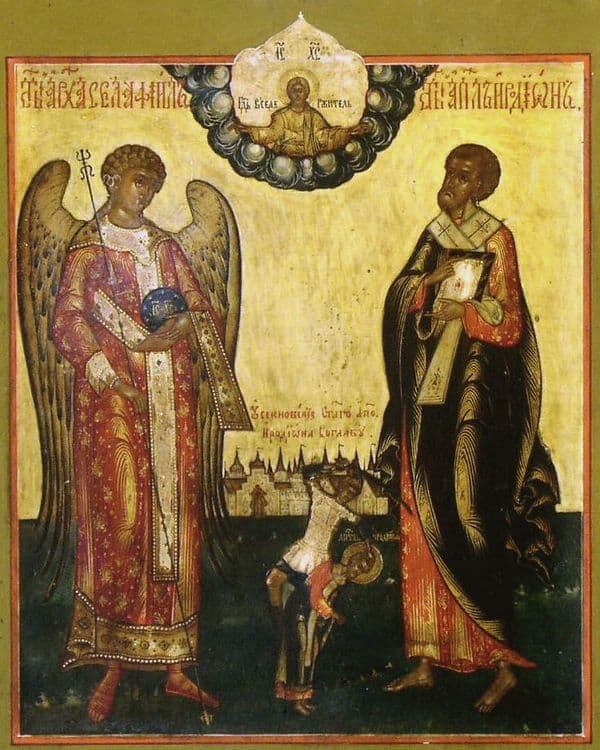
Herodion of Patras
Herodion of Patras was traditionally numbered among the Seventy Disciples of Jesus and is believed to have become bishop of Patras. He is remembered for his suffering for the faith, enduring beatings, stoning, and stabbing, and for his eventual martyrdom in Rome alongside Olympas while serving Saint Peter. His feast days are celebrated on January 4, April 8, and November 10.
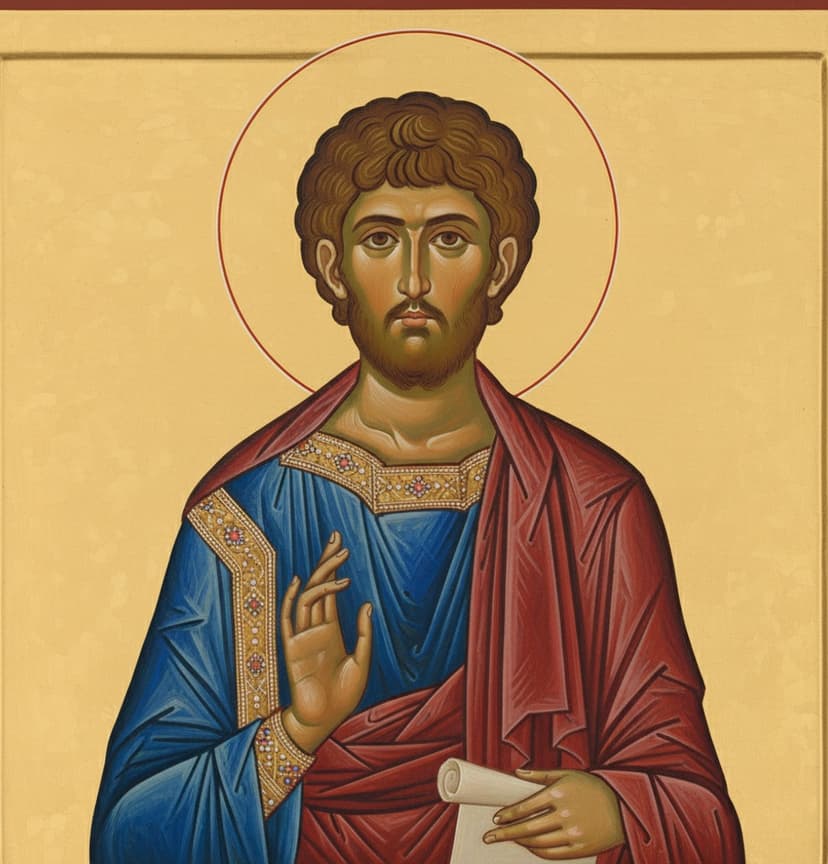
Jason of Thessalonica
Jason of Thessalonica was an early Christian convert and believer mentioned in the New Testament. He is venerated as a saint in Orthodox and Roman Catholic traditions, primarily remembered for hosting the apostles Paul, Silas, and Timothy and for his missionary work with Sosipater in Corfu.
Phlegon of Marathon
Phlegon of Marathon is numbered among the Seventy Disciples of Christ. He is recognized as a saint and served as bishop of Marathon in Thrace. Phlegon is chiefly remembered for his inclusion in the New Testament’s Epistle to the Romans and his veneration across various Christian traditions.