
Jason of Thessalonica
Jason of Thessalonica was an early Christian convert and believer mentioned in the New Testament. He is venerated as a saint in Orthodox and Roman Catholic traditions, primarily remembered for hosting the apostles Paul, Silas, and Timothy and for his missionary work with Sosipater in Corfu.
Key Facts
- ›Jason's house in Thessalonica served as a refuge for the apostles Paul, Silas, and Timothy.
- ›He was accused by some Jews of welcoming the apostles and was fined by city authorities.
- ›Paul referred to Jason as his 'countryman,' likely indicating a shared Jewish heritage.
- ›In hagiographic tradition, he was appointed Bishop of Tarsus by the Apostle Paul.
- ›He traveled with the apostle Sosipater to Corfu, where they preached the Gospel and built a church.
- ›Vlatades Monastery in Thessaloniki is believed to be on the site of Jason's former house.
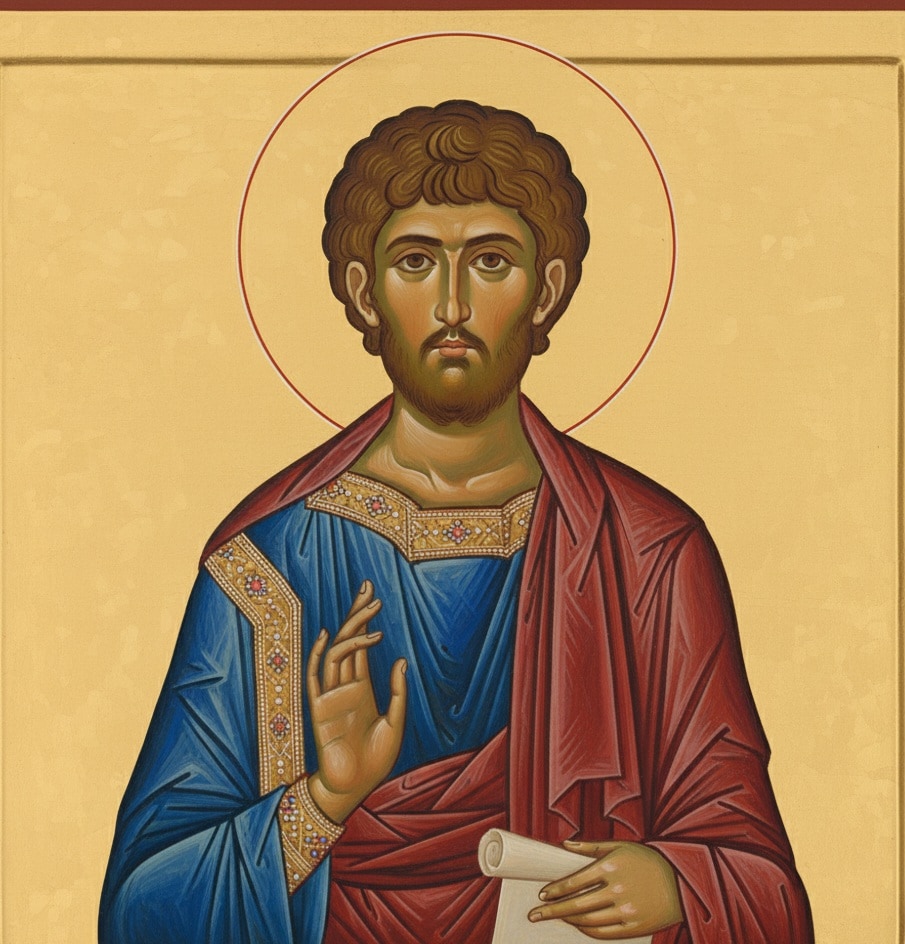
Jason of Tarsus, Ίάσων ό Θεσσαλονικεύς
About Jason of Thessalonica
Jason of Thessalonica, also known in some sources as Jason of Tarsus, was an early Jewish convert and follower of Jesus Christ whose life and actions are recorded in the New Testament. He is venerated as a saint in the Orthodox and Roman Catholic traditions, holding significance for his role in the nascent Christian movement.
Biblical Account
The primary biblical references to Jason appear in the Book of Acts (17:5–9) and the Epistle to the Romans (16:21). In Acts, Jason's house in the city of Thessalonica served as a safe haven for the apostles Paul, Silas, and Timothy. When local Jews became agitated by Paul's teachings, they were unable to find the apostles, so they dragged Jason and other Christian disciples before the city authorities. Jason was accused of harboring the apostles and was subsequently fined, though he and his companions were released. The reference in Romans 16:21, where Paul calls Jason, Lucius, and Sosipater his 'countrymen' (Greek: οἱ συγγενεῖς μου), has led to some speculation about Jason's origins, with the possibility of him being from Tarsus, Paul's hometown. However, scholars generally interpret 'countryman' in this context to mean a fellow Jew.
Hagiography and Veneration
Beyond the biblical accounts, hagiographic traditions offer a more extensive narrative of Jason's life. According to these legends, Jason was appointed Bishop of Tarsus by the Apostle Paul. He is said to have embarked on missionary journeys with the apostle Sosipater, traveling to the island of Corfu. There, they are credited with building a church in honor of Saint Stephen the Protomartyr and converting numerous pagans. Their ministry in Corfu allegedly led to their imprisonment, during which they converted fellow prisoners. The tradition also recounts the martyrdom of these prisoners and the virgin princess Cercyra, who was converted by witnessing their faith.
Jason and Sosipater are believed to have continued their preaching and church-building efforts in Corfu until old age. Vlatades Monastery in Thessaloniki is thought to stand on the site of Jason's former house. His relics are traditionally venerated in the Holy Monastery of Hosios Loukas in Greece and the Church of Saints Jason and Sosipatros in Corfu.
Source: Wikipedia ↗
Frequently Asked Questions
Who was Jason of Thessalonica?
Jason of Thessalonica was an early Christian convert mentioned in the New Testament, known for his hospitality to the apostles Paul, Silas, and Timothy in his home in Thessalonica. He is venerated as a saint in both the Orthodox and Roman Catholic traditions.
What role did Jason play in the early Christian church according to the Bible?
According to the Book of Acts, Jason provided refuge for the apostles Paul and Silas in Thessalonica. When faced with opposition from local Jews, Jason and other disciples were brought before city authorities and accused of harboring the apostles.
Why is he sometimes referred to as Jason of Tarsus?
The Apostle Paul referred to Jason as his 'countryman' in the Epistle to the Romans. Since Paul was from Tarsus, some interpretations suggest Jason may also have had ties to that city, leading to the alternate designation, although 'countryman' likely refers to a shared Jewish heritage.
What does hagiographic tradition say about Jason?
Hagiographic legends describe Jason being appointed Bishop of Tarsus by the Apostle Paul. He is also said to have traveled with Sosipater to Corfu, where they preached Christianity, built a church, and converted many pagans, facing imprisonment and persecution.
Where are Jason's relics believed to be located?
The relics of Saint Jason are believed to be held primarily in the Holy Monastery of Hosios Loukas in Greece, and also in the Church of Saints Jason and Sosipatros in Corfu, Greece.
Related Saints
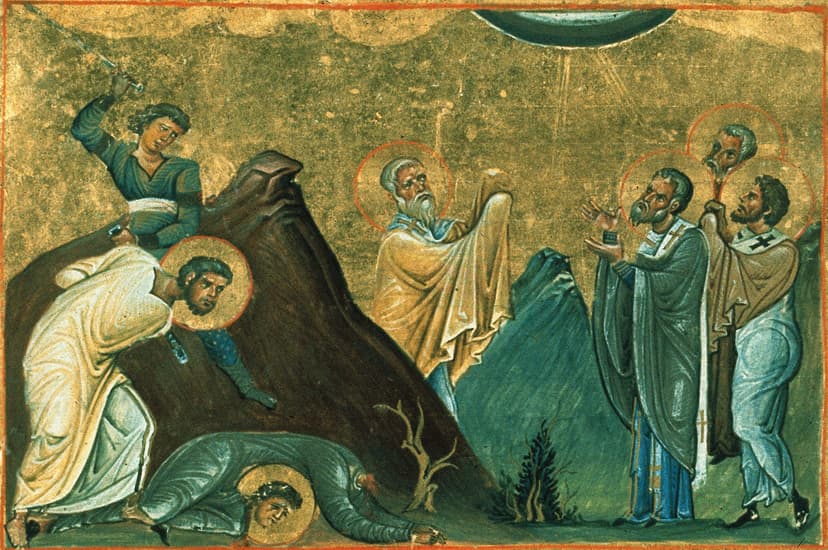
Erastus of Paneas
Erastus of Corinth was a figure mentioned in the New Testament, holding the political office of steward or treasurer in Corinth. He is often identified with a person of the same name found in other Pauline epistles, and Eastern Orthodox tradition numbers him among the Seventy Disciples, serving as a deacon and steward. He is chiefly remembered for his potential role as a patron and early follower within the nascent Christian community.
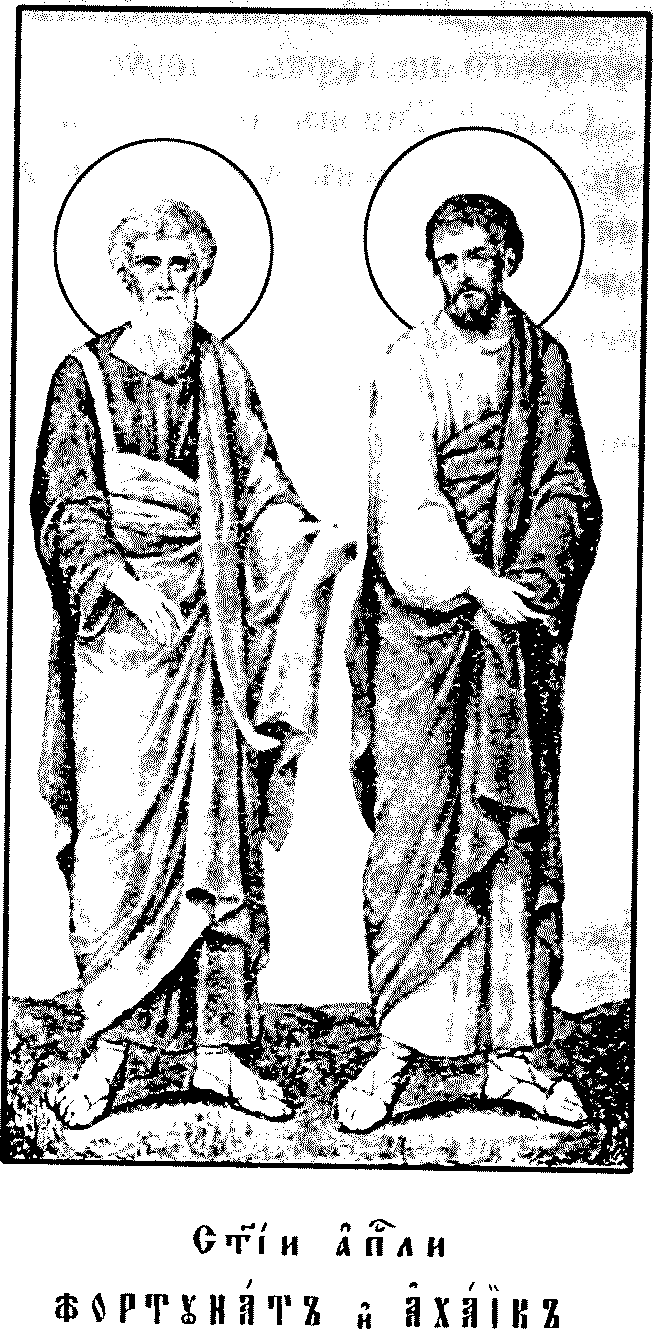
Fortunatus of the Seventy
Fortunatus was an early Christian mentioned by Saint Paul in his First Epistle to the Corinthians. He is recognized as one of the Seventy Apostles. Fortunatus is remembered for his visit to Paul, likely bringing contributions and bearing Paul's letter back to the Corinthians.
Epaphroditus
Epaphroditus was a New Testament figure and a fellow Christian missionary of the Apostle Paul. He is chiefly remembered as the delegate of the Philippian church who brought a gift to Paul during his imprisonment and ministered to his needs, even falling gravely ill in the process. He is venerated as a saint in the Eastern Orthodox and Roman Catholic Churches.