
Erastus of Paneas
January 4·1st century·Greece
Erastus of Corinth was a figure mentioned in the New Testament, holding the political office of steward or treasurer in Corinth. He is often identified with a person of the same name found in other Pauline epistles, and Eastern Orthodox tradition numbers him among the Seventy Disciples, serving as a deacon and steward. He is chiefly remembered for his potential role as a patron and early follower within the nascent Christian community.
Key Facts
- ›Erastus held the political office of steward (oikonomos) in Corinth, which could translate to treasurer or director of public works.
- ›He is mentioned in the Epistle to the Romans 16:23, along with Gaius and Quartus.
- ›A person named Erastus is also mentioned in 2 Timothy 4:20 and Acts 19:22, and is often believed to be the same individual.
- ›Eastern Orthodox tradition identifies him as one of the Seventy Disciples and a deacon of the Church at Jerusalem and Paneas.
- ›An inscription found in Corinth mentions an 'Erastus' who paved an area at his own expense in return for his aedileship, a finding debated among scholars regarding its identification with the New Testament figure.
- ›Some researchers question whether the New Testament mentions definitively prove Erastus was a Christian, suggesting he might have been a wealthy patron without personal belief.
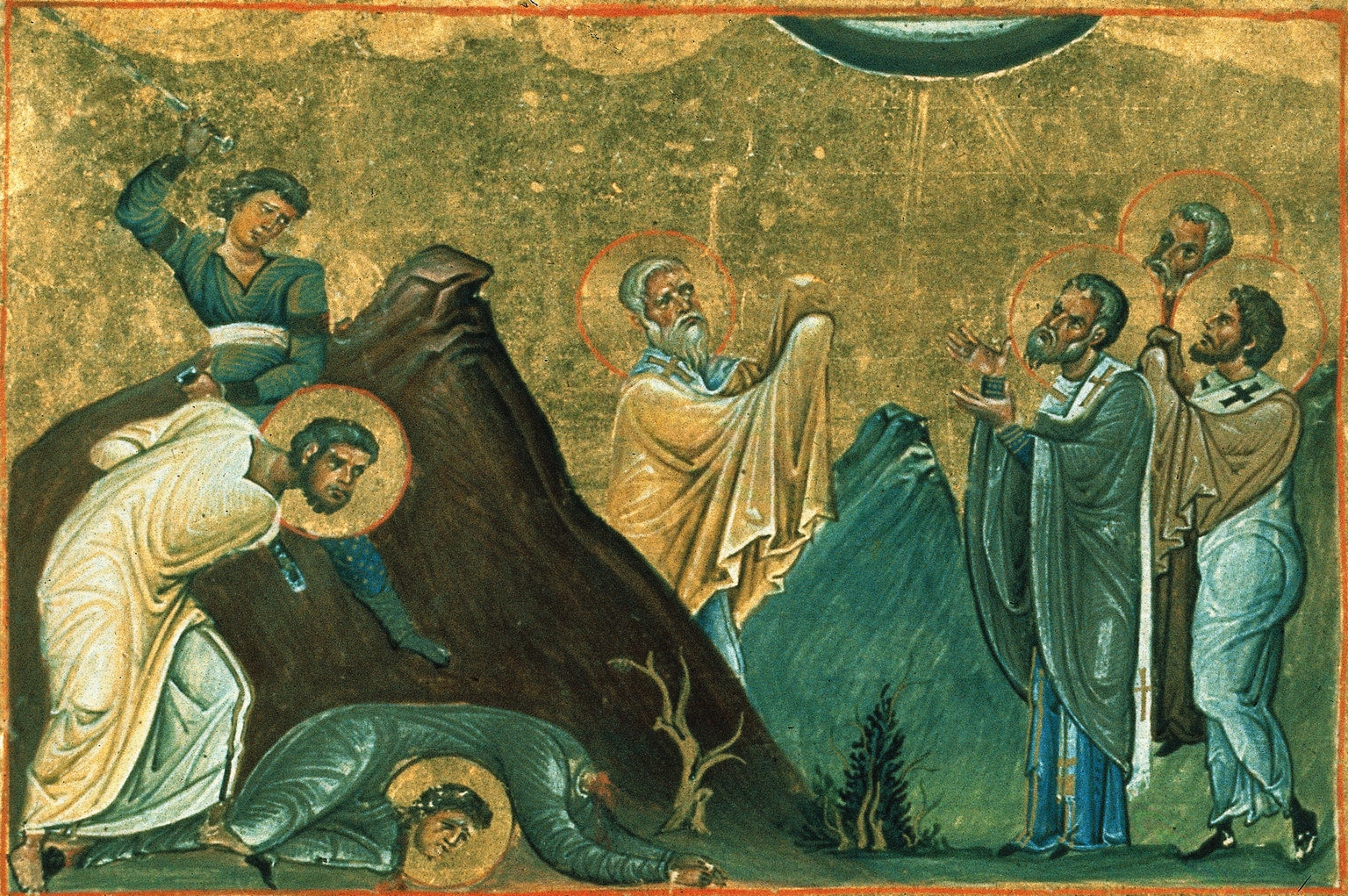
Erastus of Corinth, Erastos
About Erastus of Paneas
Erastus of Corinth
Erastus, also known as Erastus of Paneas, is a figure mentioned in the New Testament, primarily in the Epistle to the Romans. He is identified as holding the significant political office of steward (oikonomos) in Corinth, a role often understood as treasurer or director of public works. His presence in Corinth is noted by Paul, who mentions Erastus as greeting the Roman church along with Gaius and Quartus.
Historical Context and Tradition
Further mentions of a person named Erastus appear in other Pauline epistles, specifically 2 Timothy 4:20 and Acts 19:22, leading many to believe these refer to the same individual. Within the tradition of the Eastern Orthodox Church, Erastus is venerated as one of the Seventy Disciples. He is said to have served as a deacon and steward, first for the Church in Jerusalem and later for the Church in Paneas, Palestine. His feast days are observed on January 4, July 26, and November 10.
Scholarly Debate
Despite these mentions, some scholars have raised questions about the definitive Christian identity of Erastus based solely on the New Testament texts. It has been proposed that he could have been a wealthy individual who acted as a patron to the early church without necessarily being a believer himself. This interpretation is partly fueled by the ongoing debate surrounding an inscription found near the theater of Corinth. This inscription, possibly dating from the mid-1st century, mentions an 'Erastus' who undertook public works at his own expense in return for his aedileship. The identification of this figure with the Erastus of the New Testament remains a subject of scholarly discussion, with implications for understanding the social status of early Christians in Pauline communities.
Source: Wikipedia ↗
Frequently Asked Questions
What was Erastus's role in Corinth?
According to the Epistle to the Romans, Erastus held the political office of steward in Corinth. This position is understood as a manager of household affairs, often translated as treasurer or director of public works.
Is Erastus considered one of Jesus's disciples?
The tradition of the Eastern Orthodox Church numbers Erastus among the Seventy Disciples. He is also described as having served as a deacon and steward for the Church.
What is the significance of the Erastus inscription found in Corinth?
An inscription discovered in Corinth mentions an Erastus who paid for paving a public area at his own expense, possibly in connection with his role as an aedile. Some scholars connect this inscription to the New Testament figure, while others dispute the identification.
Is it certain that Erastus was a Christian?
Some researchers have questioned whether the New Testament mentions definitively prove Erastus was a Christian. An alternative theory suggests he might have been a wealthy patron of the church without being a believer himself.
When is Erastus commemorated?
The Church remembers Saint Erastus on January 4, July 26, and November 10, particularly among the Seventy Disciples.
Related Saints
Phoebe the Deaconess
Phoebe was a first-century Christian woman from Cenchreae, recognized by the Apostle Paul as a "deacon" (diakonos) and a "helper" or "patron" (prostatis). She is chiefly remembered for her trusted role in delivering Paul's Epistle to the Romans to the church in Rome, serving as Paul's emissary and providing credentials for her introduction.
Nicanor the Deacon
Nicanor was one of the seven men chosen by the early Christian community in Jerusalem to oversee the distribution of food. He is venerated as a deacon and martyr in both the Eastern Orthodox and Catholic Churches. Nicanor is remembered for his role in the early church's administration and his traditional association with the persecution following Stephen's martyrdom.
Parmenas the Deacon
Parmenas was one of the seven deacons chosen to serve the early Christian church, as documented in the Acts of the Apostles. He is traditionally believed to have preached the gospel in Asia Minor and is venerated as a bishop. Parmenas is remembered for his martyrdom during the persecution of Emperor Trajan.