
Fortunatus of the Seventy
Fortunatus was an early Christian mentioned by Saint Paul in his First Epistle to the Corinthians. He is recognized as one of the Seventy Apostles. Fortunatus is remembered for his visit to Paul, likely bringing contributions and bearing Paul's letter back to the Corinthians.
Key Facts
- ›Fortunatus was an early Christian mentioned in I Corinthians 16:17.
- ›He is identified as one of the Seventy Apostles.
- ›He was of Roman birth or origin.
- ›Fortunatus visited Paul at Ephesus, possibly with contributions.
- ›He traveled back to Corinth with Stephanus and Achaicus, carrying Paul's first Epistle.
- ›The Church venerates him for his role in early Christian communication and support.
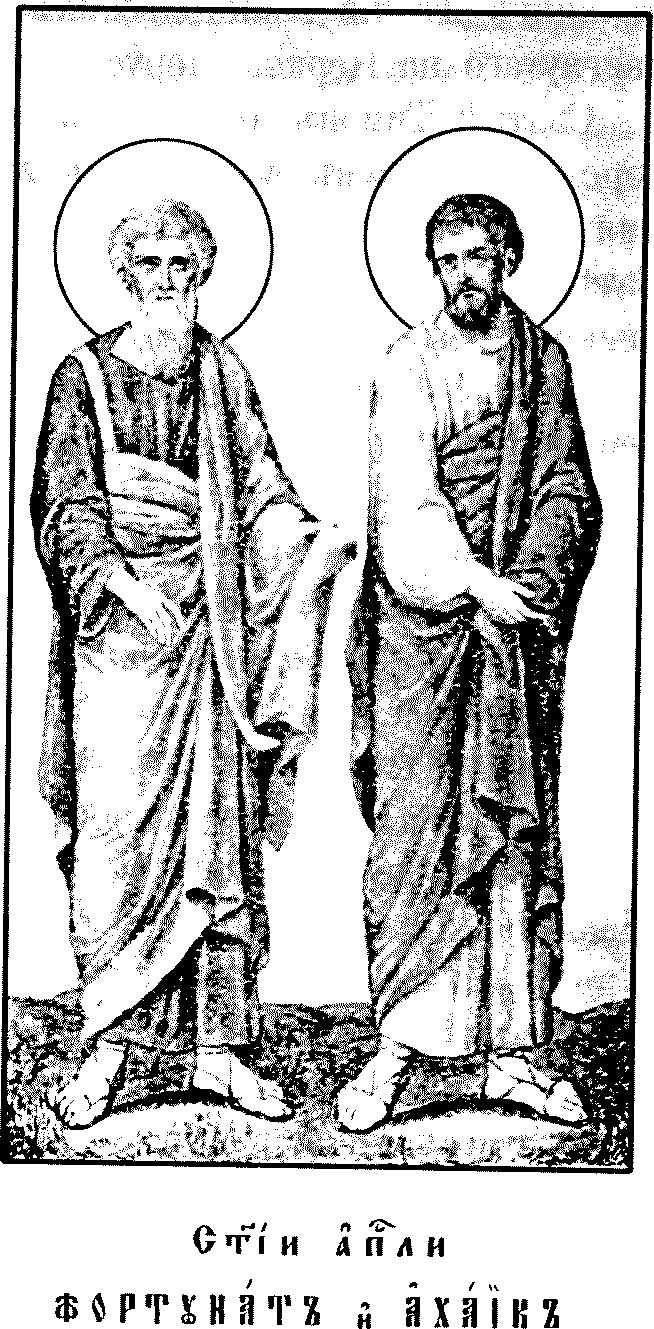
About Fortunatus of the Seventy
Fortunatus was an early Christian figure, recognized as one of the Seventy Apostles, whose presence and activities are noted in the New Testament. He is mentioned by Saint Paul in the First Epistle to the Corinthians (16:17), where Paul expresses gladness at the arrival of Stephanas, Fortunatus, and Achaicus, stating they had "supplied what was lacking from you." This suggests Fortunatus played a role in supporting the Corinthian church and maintaining communication with the Apostle Paul.
Church traditions identify Fortunatus as a disciple from Corinth, possibly of Roman origin given his name. He is believed to have visited Paul while Paul was in Ephesus, likely bringing financial or material contributions. Fortunatus, along with Stephanus and Achaicus, subsequently traveled back to Corinth, bearing Paul's important first Epistle to the Corinthians. This act placed him as a key messenger in the crucial early stages of Christian dissemination and church organization.
In liturgical tradition, particularly within the Eastern Orthodox Church, Fortunatus is venerated as a holy apostle. Hymns dedicated to him describe him as a shining star whose miracles brought enlightenment and entreat the merciful God to grant forgiveness of sins to those who honor him with faith. While specific details of his life beyond this role as a messenger and supporter are scarce, his mention by Paul and inclusion among the Seventy Apostles mark him as a significant figure in the foundational period of Christianity.
Source: Wikipedia ↗
Frequently Asked Questions
Who was Fortunatus?
Fortunatus was an early Christian mentioned in the New Testament, specifically in Saint Paul's First Epistle to the Corinthians. He is recognized as one of the Seventy Apostles.
What is Fortunatus remembered for?
Fortunatus is remembered for his visit to Saint Paul at Ephesus, where he likely brought contributions to the Apostle. He then traveled back to Corinth with other companions, carrying Paul's first letter to the church there.
Where did Fortunatus come from?
Church tradition suggests that Fortunatus was a disciple from Corinth and was of Roman birth or origin, as indicated by his name.
What is the significance of the Seventy Apostles?
The Seventy Apostles were a group sent out by Jesus to preach the Gospel, as mentioned in the Gospel of Luke. Their inclusion signifies Fortunatus's direct connection to Jesus's ministry and the early spread of Christianity.
Related Saints
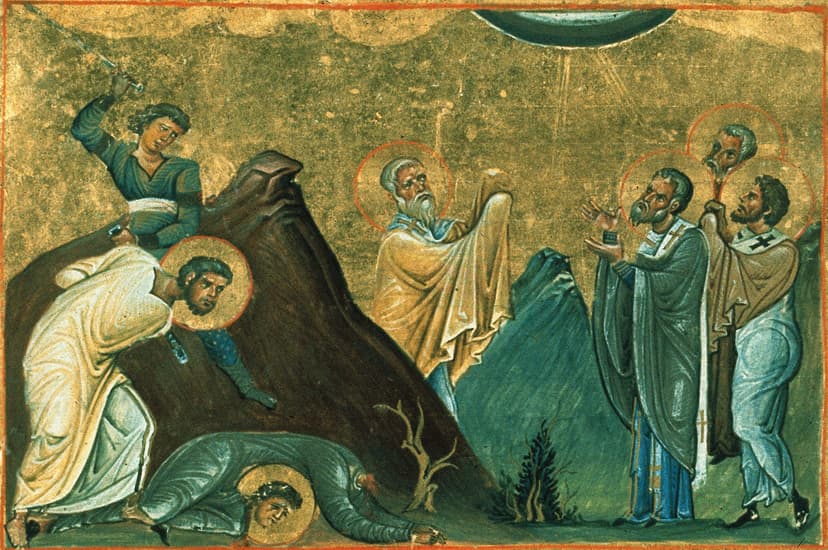
Erastus of Paneas
Erastus of Corinth was a figure mentioned in the New Testament, holding the political office of steward or treasurer in Corinth. He is often identified with a person of the same name found in other Pauline epistles, and Eastern Orthodox tradition numbers him among the Seventy Disciples, serving as a deacon and steward. He is chiefly remembered for his potential role as a patron and early follower within the nascent Christian community.
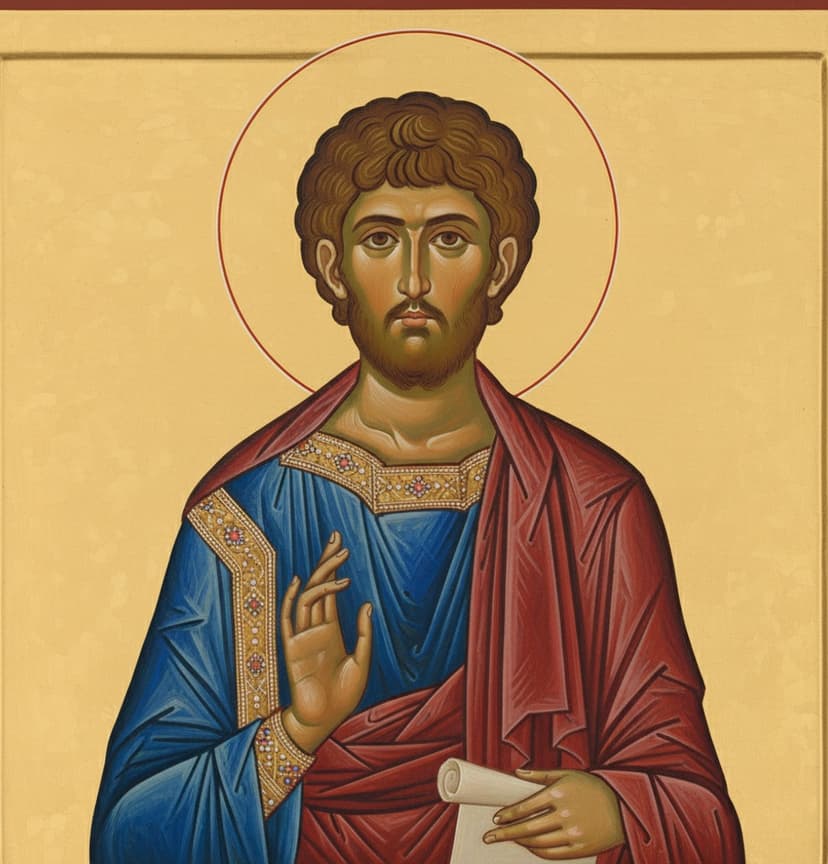
Jason of Thessalonica
Jason of Thessalonica was an early Christian convert and believer mentioned in the New Testament. He is venerated as a saint in Orthodox and Roman Catholic traditions, primarily remembered for hosting the apostles Paul, Silas, and Timothy and for his missionary work with Sosipater in Corfu.
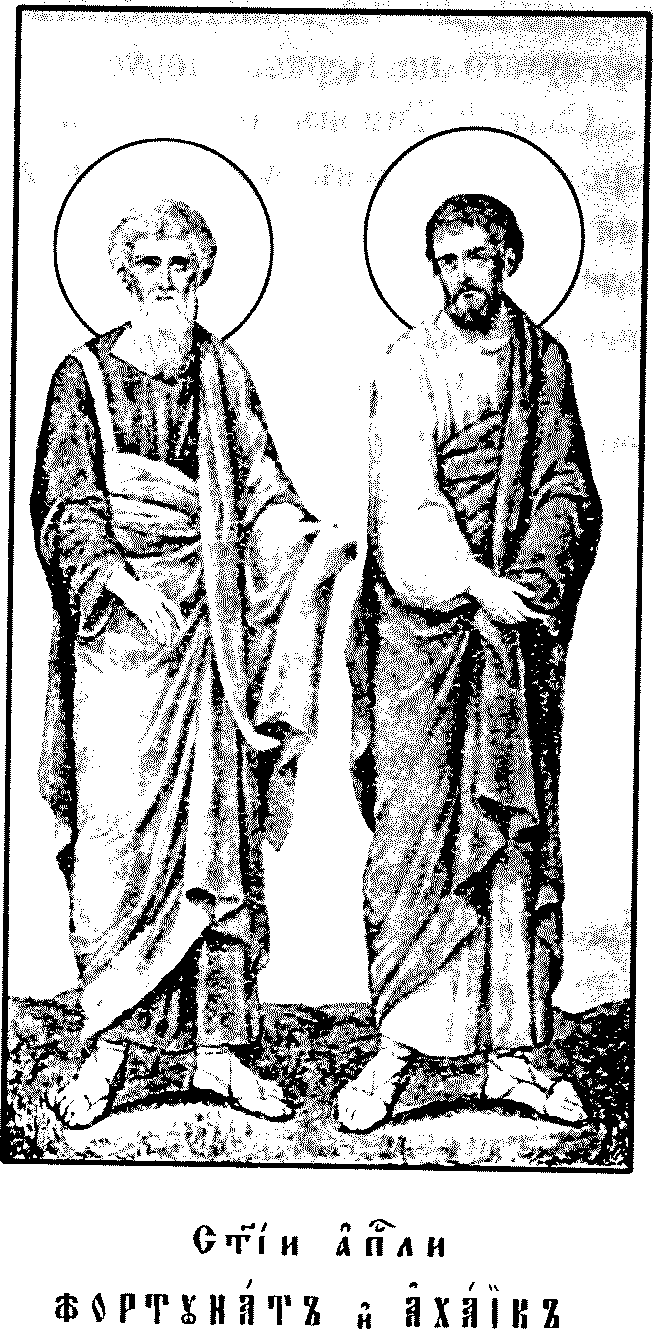
Achaicus of Corinth
Achaicus of Corinth was a Corinthian Christian saint, venerated in the Eastern Orthodox, Roman Catholic, and other Christian churches. He is chiefly remembered for accompanying Saints Fortunatus and Stephanas in carrying a letter from the Corinthians to Saint Paul and a reply from Paul back to the Corinthians, as recorded in the Bible.