
Epaphroditus
Epaphroditus was a New Testament figure and a fellow Christian missionary of the Apostle Paul. He is chiefly remembered as the delegate of the Philippian church who brought a gift to Paul during his imprisonment and ministered to his needs, even falling gravely ill in the process. He is venerated as a saint in the Eastern Orthodox and Roman Catholic Churches.
Key Facts
- ›He appears in the New Testament letters to the Philippians.
- ›He was a delegate from the Philippian church sent with a gift to the Apostle Paul.
- ›Paul described him as a brother, fellow-worker, and fellow-soldier.
- ›He became gravely ILL, almost dying, while ministering to Paul.
- ›He is traditionally considered the first Bishop of Philippi.
- ›He is also identified as the first Bishop of Andriaca and Terracina.
About Epaphroditus
Epaphroditus is a figure from the New Testament, appearing in the Apostle Paul's letters to the Philippians. He is recognized as a saint in both the Eastern Orthodox and Roman Catholic traditions and is traditionally considered the first Bishop of Philippi, as well as of Andriaca and Terracina.
Name and Identity
The name Epaphroditus is of Greek origin, meaning "lovely" or "charming," derived from the goddess Aphrodite. It was a common personal name during the Roman era. Some scholars have suggested a possible connection to another New Testament figure named Epaphras, though this is not definitively established.
Role and Ministry
Epaphroditus served as a delegate from the Christian community in Philippi, sent to assist the Apostle Paul during his imprisonment, likely in Rome or Ephesus. Paul described him in elevated terms as his "brother and fellow-worker and fellow-soldier," highlighting their shared spiritual bond, common work, and shared dangers.
Epaphroditus's dedication was so profound that he devoted himself to Paul's service and missionary work, to the extent that he fell gravely ill and "almost died." After recovering, Paul sent him back to Philippi with the letter to the church, partly to allay their concerns about his health and to encourage them to "honor men like him." His role as a "leitourgos" (minister or public servant) suggests he may have been a person of means, able to support Paul's needs and the church's mission.
Veneration and Tradition
Epaphroditus is venerated as a saint and is recognized as the first Bishop of Philippi. Later traditions also identify him as the first Bishop of Andriaca (a town with multiple ancient locations) and Terracina in Italy, although the historical evidence for these latter identifications being the same individual is limited.
His example continues to be remembered as a testament to selfless devotion, Christian fellowship, and dedicated service to the gospel.
Source: Wikipedia ↗
Frequently Asked Questions
Who was Epaphroditus?
Epaphroditus was a figure mentioned in the New Testament, specifically in Paul's letters to the Philippians. He was a Christian missionary and a delegate from the church in Philippi who ministered to the Apostle Paul during his imprisonment.
What did Epaphroditus do for Paul?
Epaphroditus was sent by the Philippian church to assist the Apostle Paul, bringing them a gift and ministering to his needs. He worked so diligently that he became gravely ill, nearly dying.
Why is Epaphroditus important in the New Testament?
He is important as an example of devoted Christian service and fellowship. Paul praised him as a 'brother and fellow-worker and fellow-soldier' for his dedication and willingness to risk his health for the sake of the gospel and for Paul.
Is Epaphroditus considered a saint?
Yes, Epaphroditus is venerated as a saint in both the Eastern Orthodox Church and the Roman Catholic Church. He is also traditionally regarded as the first Bishop of Philippi.
What does Epaphroditus' name mean?
The name Epaphroditus is derived from Aphrodite and means "lovely" or "charming." It was a common personal name during the Roman period and corresponds to the Latin name Venustus, meaning "handsome."
Related Saints
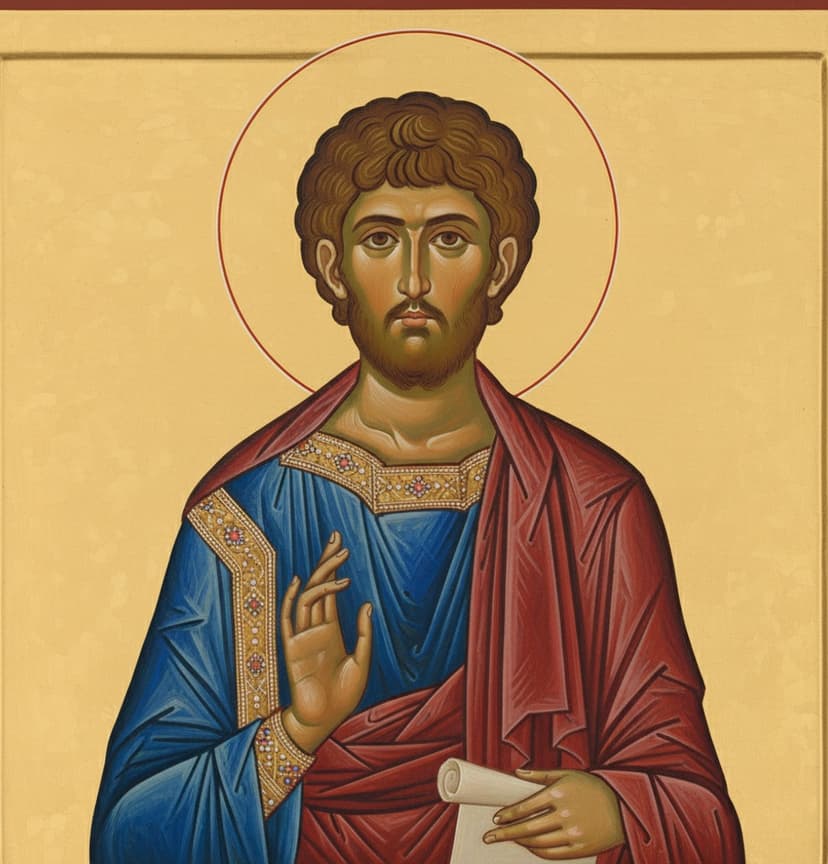
Jason of Thessalonica
Jason of Thessalonica was an early Christian convert and believer mentioned in the New Testament. He is venerated as a saint in Orthodox and Roman Catholic traditions, primarily remembered for hosting the apostles Paul, Silas, and Timothy and for his missionary work with Sosipater in Corfu.
Lydia of Thyatira
Lydia of Thyatira is recognized as the first documented convert to Christianity in Europe, mentioned in the New Testament. She was a businesswoman from Thyatira who encountered the Apostle Paul in Philippi. Her conversion and subsequent hospitality to Paul and his companions are foundational to her veneration.
Phoebe the Deaconess
Phoebe was a first-century Christian woman from Cenchreae, recognized by the Apostle Paul as a "deacon" (diakonos) and a "helper" or "patron" (prostatis). She is chiefly remembered for her trusted role in delivering Paul's Epistle to the Romans to the church in Rome, serving as Paul's emissary and providing credentials for her introduction.