
Joseph the Betrothed
March 19·1st century·Israel
Joseph the Betrothed was the legal father of Jesus and husband of Mary, according to the canonical Gospels. He is venerated in several Christian traditions as a model of chastity and a protector. Joseph is chiefly remembered for his role in the infancy narratives of Jesus and as the patron saint of workers and the Universal Church.
Key Facts
- ›Joseph was a 1st-century Jewish man from Nazareth, married to Mary, the mother of Jesus.
- ›The Gospels of Matthew and Luke include genealogies of Jesus tracing his ancestry through Joseph, though the lines differ.
- ›Matthew's Gospel describes Joseph being guided by angels in dreams regarding Jesus' birth and flight to Egypt.
- ›Luke's Gospel states Joseph and Mary traveled to Bethlehem for a census, where Jesus was born.
- ›Joseph's occupation is described as a "tekton," traditionally translated as carpenter, but possibly encompassing broader artisan skills.
- ›He is venerated in the Catholic Church, Eastern Orthodox Church, Oriental Orthodox Church, Anglicanism, and Lutheranism.
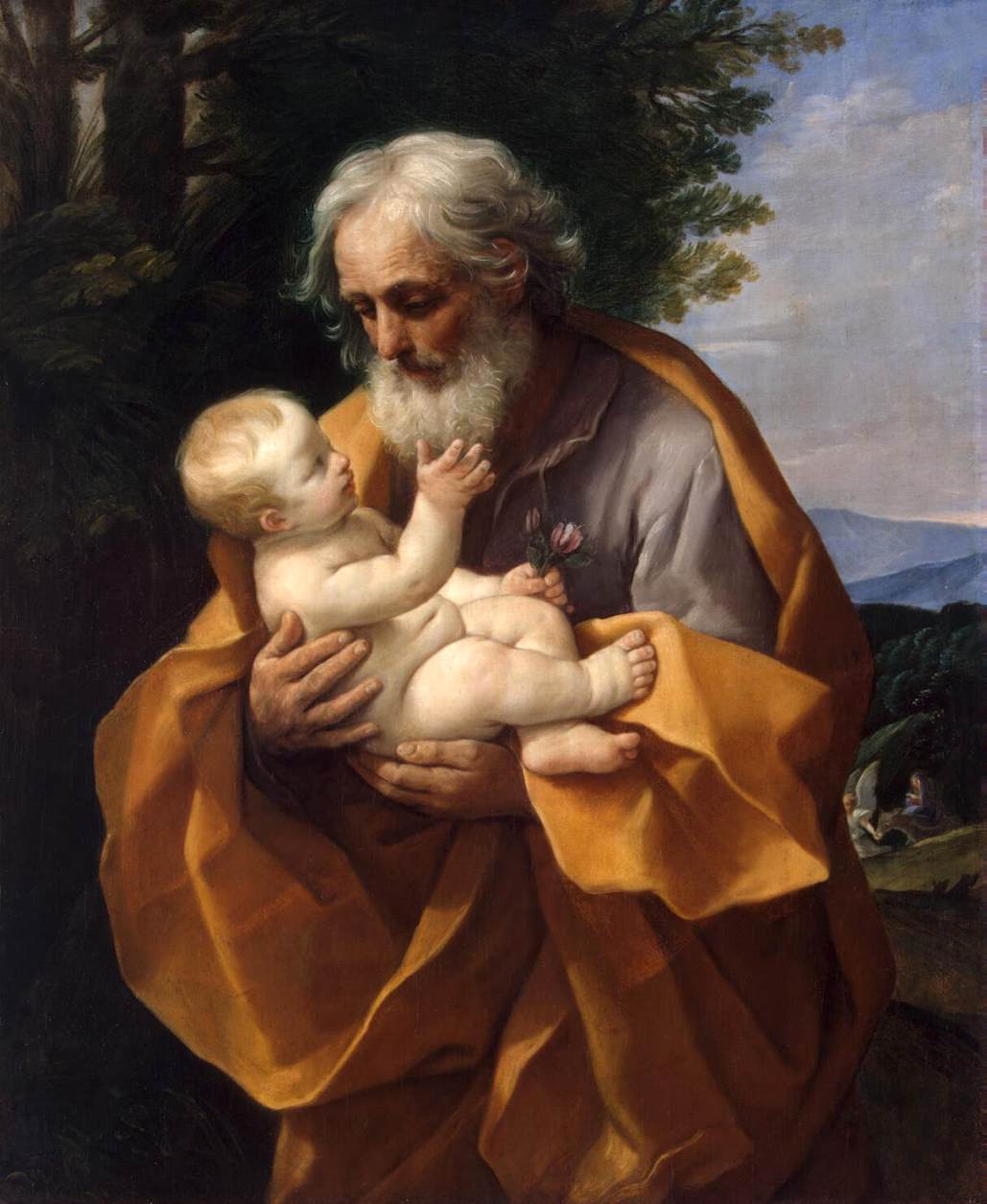
Saint Joseph, Nutritor Domini
Workers, the Universal Church, the Sick, A Holy Death, Virgins, Families, Fathers, Mortally Ill
Lilies, Spikenard
About Joseph the Betrothed
Joseph the Betrothed, widely venerated as Saint Joseph, holds a pivotal place in Christian tradition as the husband of Mary, the mother of Jesus, and the legal father of Jesus Christ. According to the canonical Gospels, he was a 1st-century Jewish man from Nazareth. His life and role are primarily detailed in the infancy narratives of the Gospels of Matthew and Luke, where he is depicted as a righteous man guided by divine instruction through dreams.
Life and Historical Context
Matthew's Gospel portrays Joseph being informed by an angel about Mary's miraculous conception and subsequently taking her as his wife. He is instructed to name the child Jesus and is later warned in a dream to flee with Mary and the infant Jesus to Egypt to escape King Herod's massacre of the innocents. Upon Herod's death, an angel again directs Joseph to return, leading the Holy Family to settle in Nazareth. Luke's Gospel offers a different account, stating that Joseph already resided in Nazareth and traveled to Bethlehem for a census, where Jesus was born. Joseph's presence is noted until Jesus is 12 years old, during the Passover visit to the Temple in Jerusalem; he is not mentioned in accounts of Jesus' adult ministry or crucifixion.
Joseph's occupation is identified as a "tekton," a term usually translated as carpenter, though it may have encompassed a broader range of skilled artisan work involving wood, stone, or metal. The village of Nazareth in his time was a small, obscure settlement. Historical and theological discussions have explored the genealogies of Jesus presented in Matthew and Luke, which trace different paternal lines back to King David, and the nature of Jesus' "brothers" mentioned in the Gospels, with various interpretations regarding their relationship to Joseph and Mary.
Veneration and Legacy
Formal devotional practices honoring Saint Joseph began to emerge around the 9th century, growing significantly by the 14th century. He is venerated in the Catholic Church, Eastern Orthodox Church, Oriental Orthodox Churches, Anglican Communion, and Lutheranism. His primary feast day in Western Christianity is March 19th, known as Saint Joseph's Day, celebrated with various customs including attending Mass and preparing special foods. In 1870, Pope Pius IX declared Saint Joseph the patron of the Universal Church, and Pope Pius XII later instituted the feast of Saint Joseph the Worker on May 1st, recognizing his role as the patron of laborers.
Joseph is often depicted in religious iconography with symbols such as lilies or spikenard. The theological study dedicated to him, known as Josephology, has seen growth since the mid-20th century. He is invoked as a patron for numerous causes, including workers, families, fathers, the sick, and those seeking a holy death, reflecting his perceived role as protector and provider for the Holy Family. Pope Francis declared a "Year of Saint Joseph" from December 2020 to December 2021, highlighting his enduring significance.
Source: Wikipedia ↗
Frequently Asked Questions
Who was Joseph the Betrothed?
Joseph the Betrothed was a 1st-century Jewish man from Nazareth who was married to Mary, the mother of Jesus, and is considered the legal father of Jesus. He is a significant figure in Christian tradition, particularly in the infancy narratives of the Gospels.
Why is Joseph venerated in Christianity?
Joseph is venerated for his chastity, his role as protector of Mary and Jesus, and his obedience to divine guidance. He is seen as a model for fathers and workers, and a patron of a holy death due to the tradition of him dying in the presence of Jesus and Mary.
What is Joseph's occupation?
The Gospels describe Joseph as a "tekton," a term traditionally translated as carpenter. However, it is a broader word that could refer to an artisan working with wood, iron, or stone, possibly running a workshop.
What are Joseph's main feast days?
The principal feast day for Saint Joseph in Western Christianity is March 19th, known as Saint Joseph's Day. In Eastern Orthodoxy, he is commemorated on December 26th and other Sundays around the Nativity. There is also the feast of Saint Joseph the Worker on May 1st.
What is Joseph's patronage?
Joseph is the patron saint of workers and the Universal Church. He is also invoked as a patron for the sick, for a holy death, for families, fathers, and virgins, reflecting various aspects of his life and traditional veneration.
Related Saints
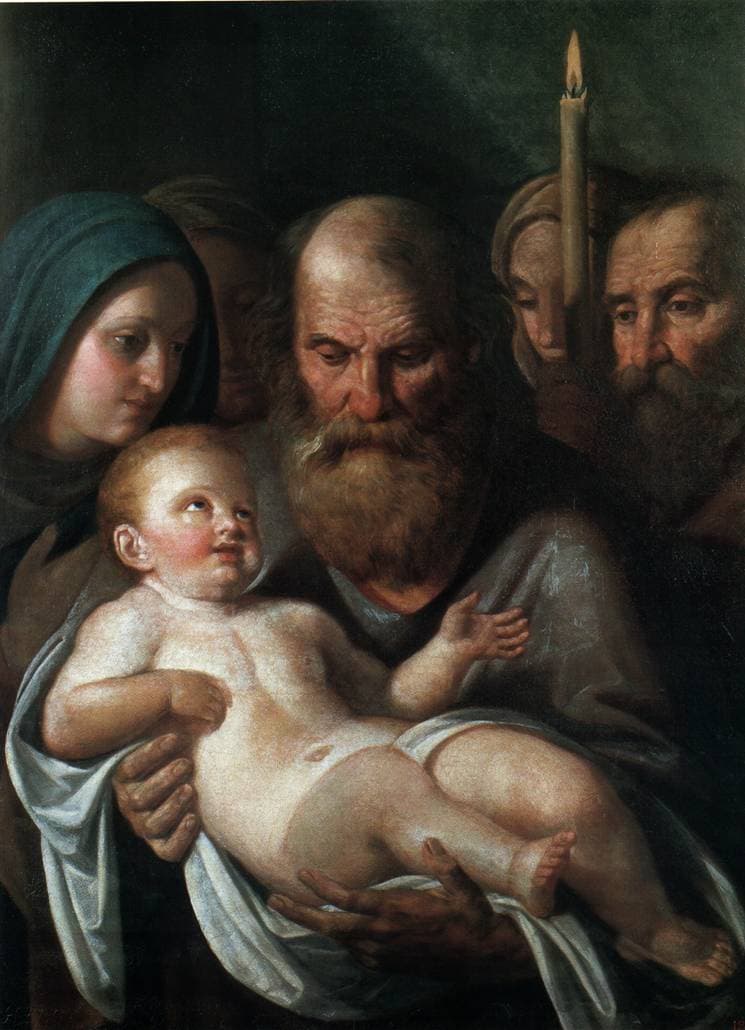
Simeon the God-receiver
Simeon the God-receiver was a devout man in Jerusalem who, according to the Gospel of Luke, recognized Jesus as the Messiah when he was presented at the Temple. He is chiefly remembered for his prophecy regarding Jesus' future suffering and for uttering the "Nunc dimittis," a prayer still used in Christian liturgy.
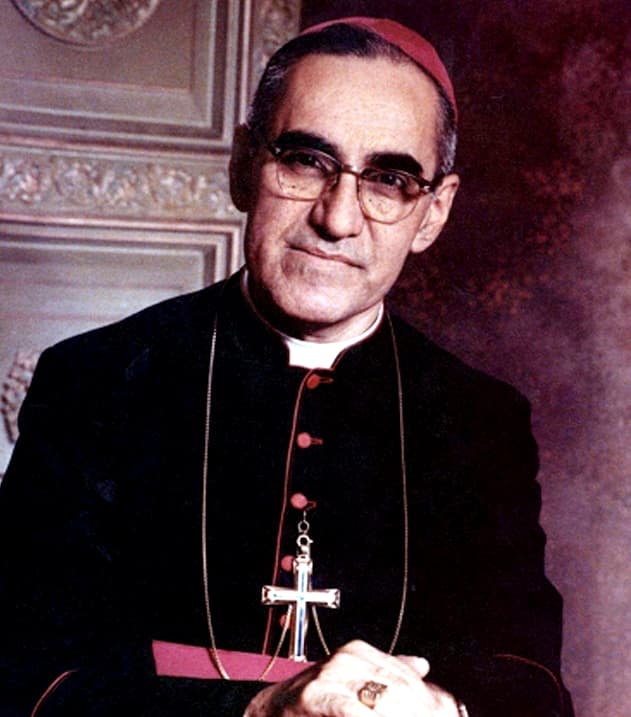
Óscar Arnulfo Romero y Galdámez
Óscar Arnulfo Romero y Galdámez was a prelate of the Catholic Church in El Salvador, serving as the Archbishop of San Salvador. He is remembered for his outspoken criticism of social injustice and violence during the Salvadoran Civil War, advocating for the poor and marginalized. Romero was assassinated in 1980 while celebrating Mass and was later canonized as a saint and martyr.
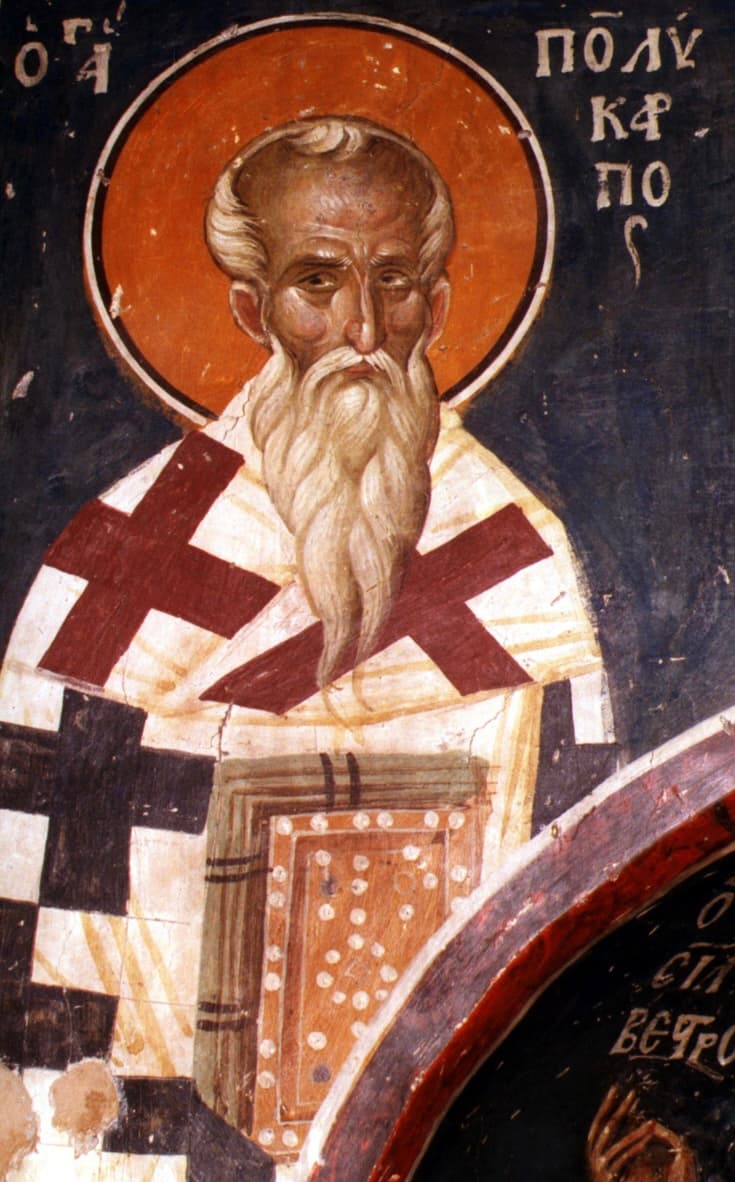
Polycarp of Smyrna
Polycarp of Smyrna was an early Christian bishop and a significant figure in the development of Christian theology and practice. Revered as a saint and Church Father, he is chiefly remembered for his martyrdom and his role as a direct link to the apostolic era, having been a disciple of John the Apostle.