
Polycarp of Smyrna
February 23·2nd century·Turkey
Polycarp of Smyrna was an early Christian bishop and a significant figure in the development of Christian theology and practice. Revered as a saint and Church Father, he is chiefly remembered for his martyrdom and his role as a direct link to the apostolic era, having been a disciple of John the Apostle.
Key Facts
- ›Polycarp was a Christian bishop of Smyrna and is regarded as a saint and Church Father.
- ›He is believed to have been a disciple of John the Apostle, who is said to have ordained him as bishop.
- ›His sole surviving work is the Epistle of Polycarp to the Philippians, part of the Apostolic Fathers collection.
- ›Polycarp died a martyr, bound and burned at the stake, and then stabbed when the fire failed to consume his body.
- ›He visited Rome to discuss differences in church practices, particularly the observance of Easter.
- ›His martyrdom account is considered one of the earliest genuine accounts of a Christian martyrdom.
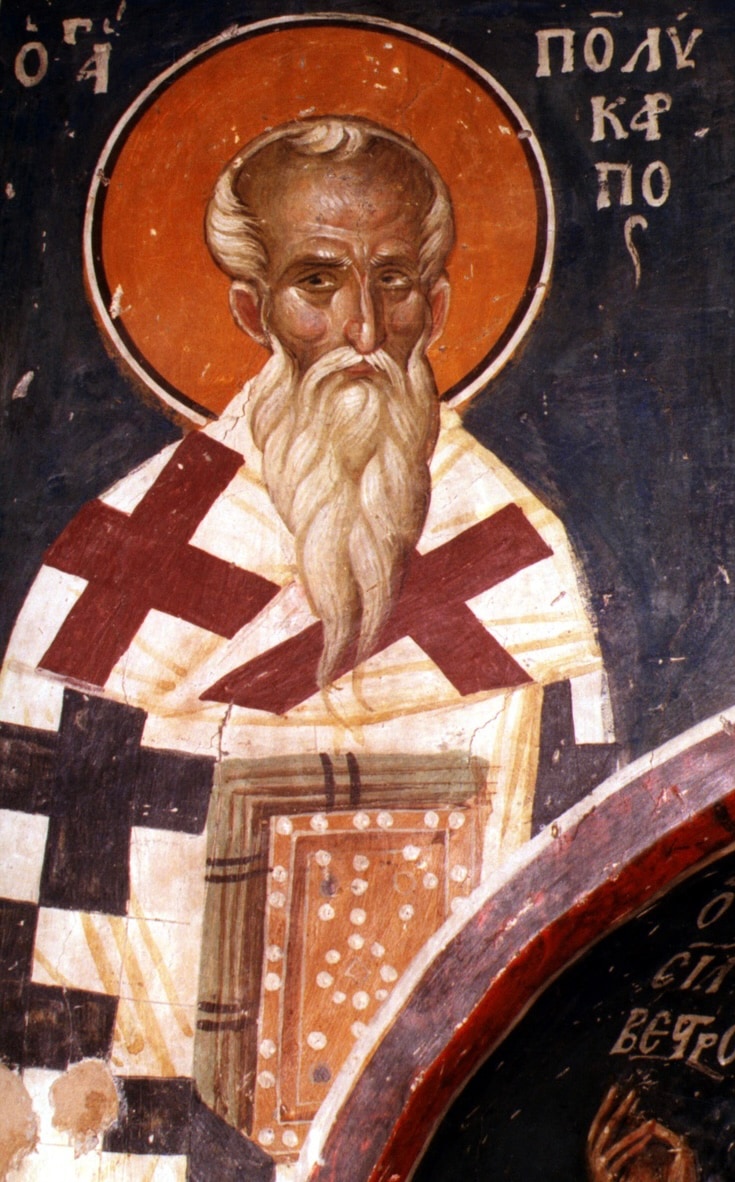
Polýkarpos, Polycarpus
Fire, Spear
About Polycarp of Smyrna
Polycarp of Smyrna (c. 69–155 AD) was a prominent early Christian bishop and a highly revered saint and Church Father. His life and martyrdom are central to the history of early Christianity, particularly due to his direct connection to the apostolic age.
Life and Historical Context
Polycarp is believed to have been a disciple of John the Apostle, one of the original twelve disciples of Jesus. According to accounts from figures like Irenaeus and Jerome, John the Apostle ordained Polycarp as the bishop of Smyrna, a significant city in Asia Minor (modern-day Turkey). This apostolic connection made Polycarp a crucial figure in preserving and transmitting authentic Christian teachings during a time when the faith was still developing and facing various interpretations and heresies.
Writings and Accounts
The most significant surviving work attributed to Polycarp is his Epistle to the Philippians. This letter, part of the collection known as the Apostolic Fathers, offers insights into early Christian practices and the use of scripture. The Martyrdom of Polycarp is another vital document, considered one of the earliest genuine accounts of a Christian martyrdom. It details his final days and steadfast refusal to renounce his faith.
Ministry and Influence
Polycarp's ministry occurred during a critical period in the early Church. He is noted for his visit to Rome during the episcopacy of Anicetus, where he discussed differences in liturgical practices, particularly the date of Easter, with the Roman bishop. While they agreed to disagree on the Easter observance, their communion remained unbroken, illustrating early Christian ecumenical dialogue. Irenaeus, who knew Polycarp personally, described him as a man of great weight and a steadfast witness against heretical teachings, such as those of Marcion and Valentinus.
Martyrdom
Polycarp's life concluded with his martyrdom. According to the Martyrdom of Polycarp, he faced his death with remarkable courage, refusing to offer incense to the Roman emperor and proclaiming his eighty-six years of service to Christ. He was bound and burned at the stake, and when the flames failed to consume his body, he was stabbed with a spear. This event is considered a foundational moment in the veneration of Christian martyrs.
Veneration and Legacy
Polycarp is venerated in numerous Christian traditions, including the Catholic Church, Eastern Orthodox Church, Oriental Orthodox Churches, Lutheranism, and Anglicanism. His feast day is celebrated on February 23rd. The Martyrdom of Polycarp is also considered one of the earliest accounts of the veneration of a saint's relics and the annual commemoration of their death. His legacy endures as a symbol of unwavering faith, apostolic tradition, and courageous witness in the face of persecution.
Source: Wikipedia ↗
Frequently Asked Questions
Who was Polycarp of Smyrna?
Polycarp of Smyrna was an early Christian bishop who lived from approximately 69 to 155 AD. He is regarded as a saint and a Church Father, known for his connection to the apostolic age and his martyrdom.
What is Polycarp of Smyrna remembered for?
Polycarp is primarily remembered for his martyrdom, where he refused to renounce his faith and was burned at the stake. He is also significant for being a disciple of John the Apostle and a link to the early Christian Church's traditions.
What writings survive from Polycarp?
The only surviving work attributed to Polycarp is his Epistle to the Philippians. This letter is considered part of the collection of writings known as the Apostolic Fathers.
When did Polycarp die?
The exact date of Polycarp's death is debated among scholars. Some sources place it around 155 AD, while others suggest a later date during the reign of Marcus Aurelius, around 166-167 AD.
What was the circumstance of Polycarp's death?
According to the Martyrdom of Polycarp, he was arrested and brought before authorities. When he refused to deny Christ, he was bound and burned at the stake, and later stabbed when the fire did not consume his body.
What is Polycarp's connection to the Apostles?
Polycarp is widely believed to have been a disciple of John the Apostle, one of Jesus's original twelve disciples. This connection made him a highly respected figure, seen as a direct link to the teachings of the apostles.
Related Saints
Polycarp
Polycarp was a 2nd-century Christian bishop of Smyrna, revered as a saint and Church Father. He is remembered as one of the Apostolic Fathers and a martyr, known for his connection to the apostles and his steadfast witness to Christian teachings.
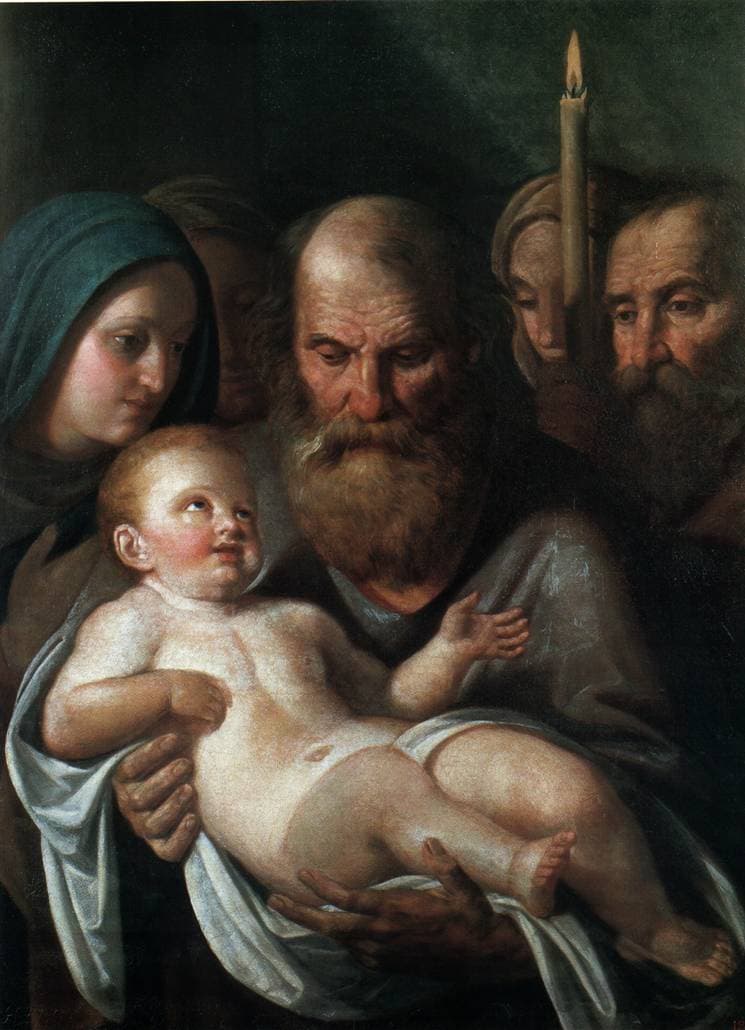
Simeon the God-receiver
Simeon the God-receiver was a devout man in Jerusalem who, according to the Gospel of Luke, recognized Jesus as the Messiah when he was presented at the Temple. He is chiefly remembered for his prophecy regarding Jesus' future suffering and for uttering the "Nunc dimittis," a prayer still used in Christian liturgy.
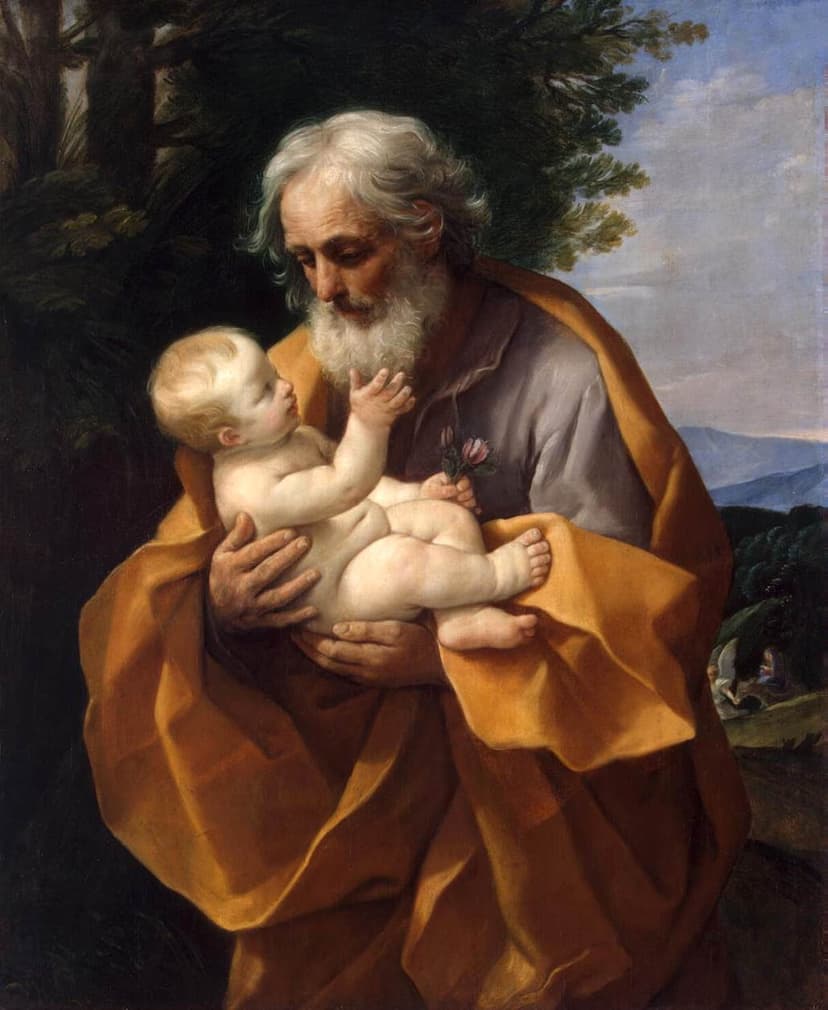
Joseph the Betrothed
Joseph the Betrothed was the legal father of Jesus and husband of Mary, according to the canonical Gospels. He is venerated in several Christian traditions as a model of chastity and a protector. Joseph is chiefly remembered for his role in the infancy narratives of Jesus and as the patron saint of workers and the Universal Church.