
Simeon the God-receiver
February 3·1st century·Jerusalem
Simeon the God-receiver was a devout man in Jerusalem who, according to the Gospel of Luke, recognized Jesus as the Messiah when he was presented at the Temple. He is chiefly remembered for his prophecy regarding Jesus' future suffering and for uttering the "Nunc dimittis," a prayer still used in Christian liturgy.
Key Facts
- ›Simeon was a "righteous and devout" man in Jerusalem who was divinely assured he would see the Christ before his death.
- ›He encountered Mary, Joseph, and the infant Jesus at the Temple, taking Jesus into his arms.
- ›Simeon Blessed God and uttered the prayer known as the "Nunc dimittis" (Lord, now let your servant depart in peace).
- ›He prophesied that Jesus would be a "light for revelation to the Gentiles, and for glory to your people Israel" and warned Mary that a "sword will pierce through your own soul also."
- ›Tradition suggests he may have been one of the translators of the Septuagint and lived to be around 360 years old.
- ›His relics are believed to be in Zadar, Croatia, where he is a patron saint.
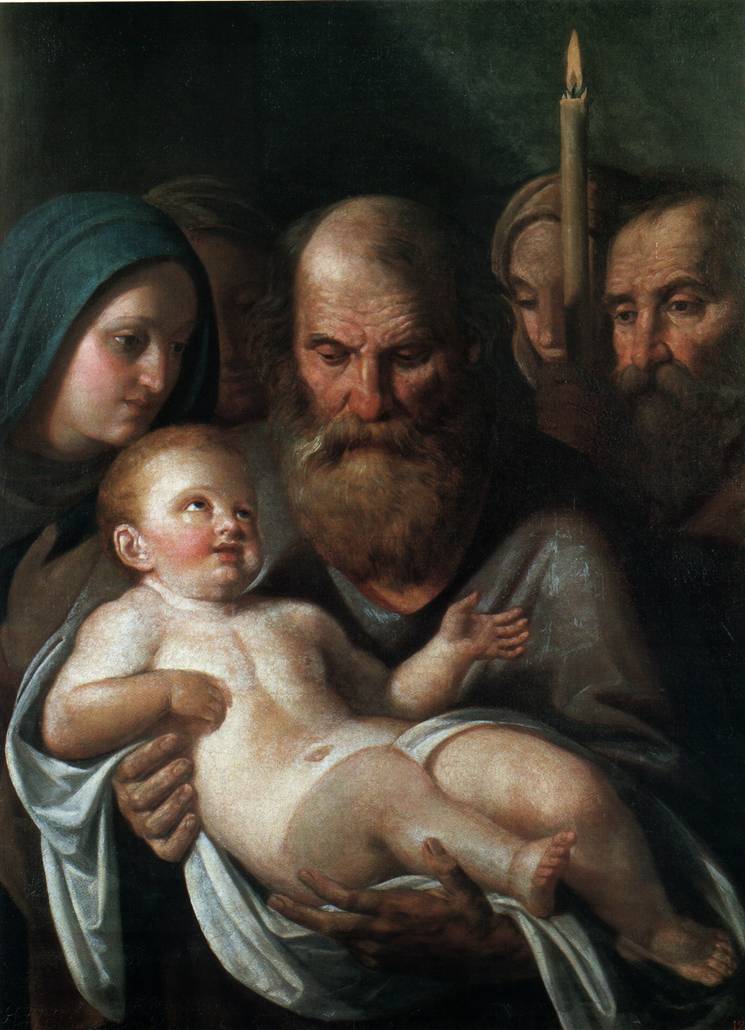
Simeon the God-Receiver, Simeon the Righteous, Simeon senex, Aged Simeon, Simeon the Godbearer
Zadar
Child Jesus, Temple
About Simeon the God-receiver
Simeon the God-receiver is a biblical figure from the Gospel of Luke, recognized as a saint in various Christian traditions. He is described as a "righteous and devout" man of Jerusalem who was divinely assured he would not die until he had seen the "Christ of God." This prophecy was fulfilled when he encountered Mary and Joseph at the Temple as they presented the infant Jesus.
Encounter at the Temple
According to Luke 2:25-35, Simeon was present at the Temple when Mary and Joseph brought Jesus for the ritual of purification and presentation. Inspired by the Holy Spirit, Simeon took the child Jesus into his arms, blessed God, and uttered a prayer now known as the "Nunc dimittis." This prayer, "Lord, now let your servant depart in peace, according to your word; for my eyes have seen your salvation," is a significant canticle in Christian liturgy, particularly in Evening Prayer and Vespers.
Prophecy and Significance
Simeon also delivered a profound prophecy concerning Jesus' future role and Mary's sorrow. He declared Jesus to be "a light for revelation to the Gentiles, and for glory to your people Israel." He further stated that the child was "set for the fall and rising of many in Israel, and for a sign that is spoken against," and foretold to Mary that "a sword will pierce through your own soul also." This prophecy is linked to the devotion to Mary as Our Lady of Sorrows.
Tradition and Veneration
While the Bible provides no details about Simeon's age or death, tradition in the Eastern Orthodox Church suggests he was one of the seventy scholars who translated the Hebrew Scriptures into the Septuagint. According to this tradition, he lived to be around 360 years old and died immediately after encountering Jesus. His relics are venerated in Zadar, Croatia, where he is considered a patron saint. Simeon is commemorated liturgically on February 3 in the Catholic and Orthodox Churches, a date often observed alongside the Feast of the Presentation of the Lord.
Source: Wikipedia ↗
Frequently Asked Questions
Who was Simeon the God-receiver?
Simeon the God-receiver was a devout man in Jerusalem mentioned in the Gospel of Luke. He is described as "righteous and devout" and was divinely informed that he would not die until he had seen the Lord's Christ.
What is Simeon chiefly remembered for?
He is primarily remembered for recognizing the infant Jesus as the Messiah when he was presented at the Temple and for uttering the prayer known as the "Nunc dimittis." He also delivered a significant prophecy concerning Jesus' future and Mary's suffering.
What is the "Nunc dimittis"?
The "Nunc dimittis" is a prayer of thanksgiving and peace that Simeon spoke upon holding the infant Jesus. It is still widely used in liturgical services in the Catholic Church and other Christian denominations, often sung or recited at Vespers or Evensong.
What was Simeon's prophecy?
Simeon prophesied that Jesus would be a "light for revelation to the Gentiles, and for glory to your people Israel." He also told Mary that the child was "set for the fall and rising of many in Israel, and for a sign that is spoken against," and that "a sword will pierce through your own soul also."
What is the tradition regarding Simeon's age and translation?
Orthodox tradition suggests Simeon was one of the seventy scholars who translated the Septuagint and lived to be around 360 years old, dying after seeing Jesus. His relics were translated from Syria or Jerusalem to Constantinople and later ended up in Zadar, Croatia.
When is Simeon's feast day?
Simeon the God-receiver is commemorated on February 3 in the Catholic Church and Eastern Orthodox Church. In some Orthodox traditions using the Julian calendar, this date falls on February 16 Gregorian.
Related Saints
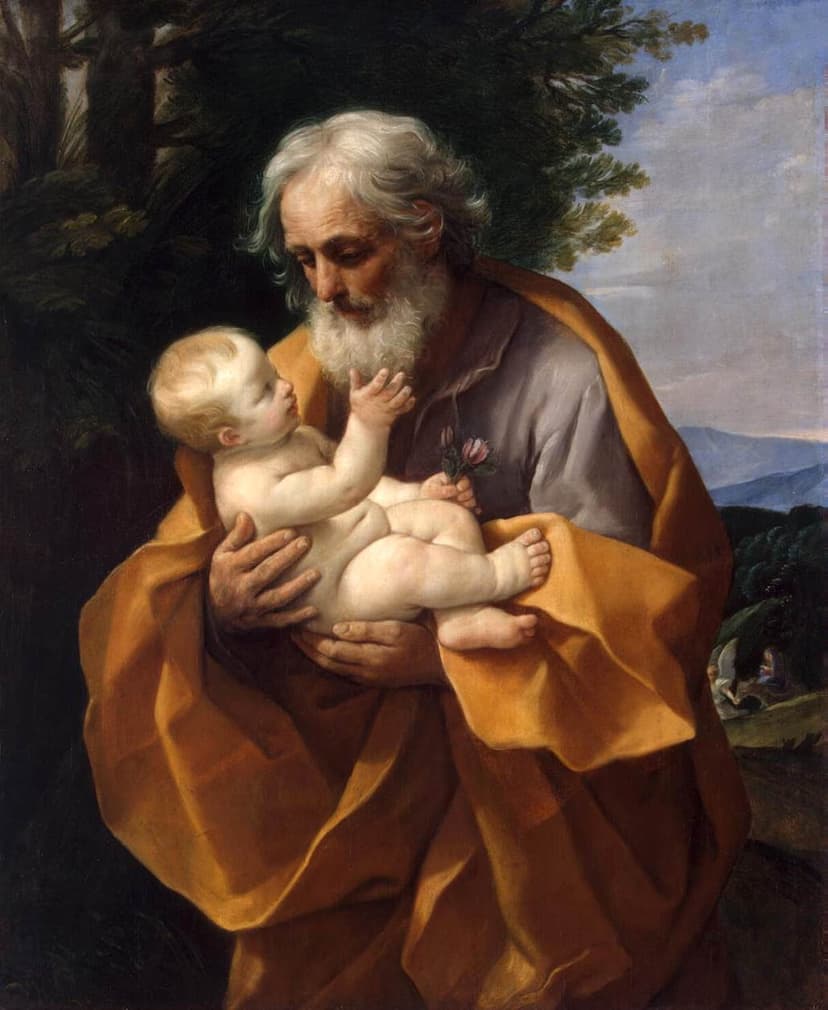
Joseph the Betrothed
Joseph the Betrothed was the legal father of Jesus and husband of Mary, according to the canonical Gospels. He is venerated in several Christian traditions as a model of chastity and a protector. Joseph is chiefly remembered for his role in the infancy narratives of Jesus and as the patron saint of workers and the Universal Church.
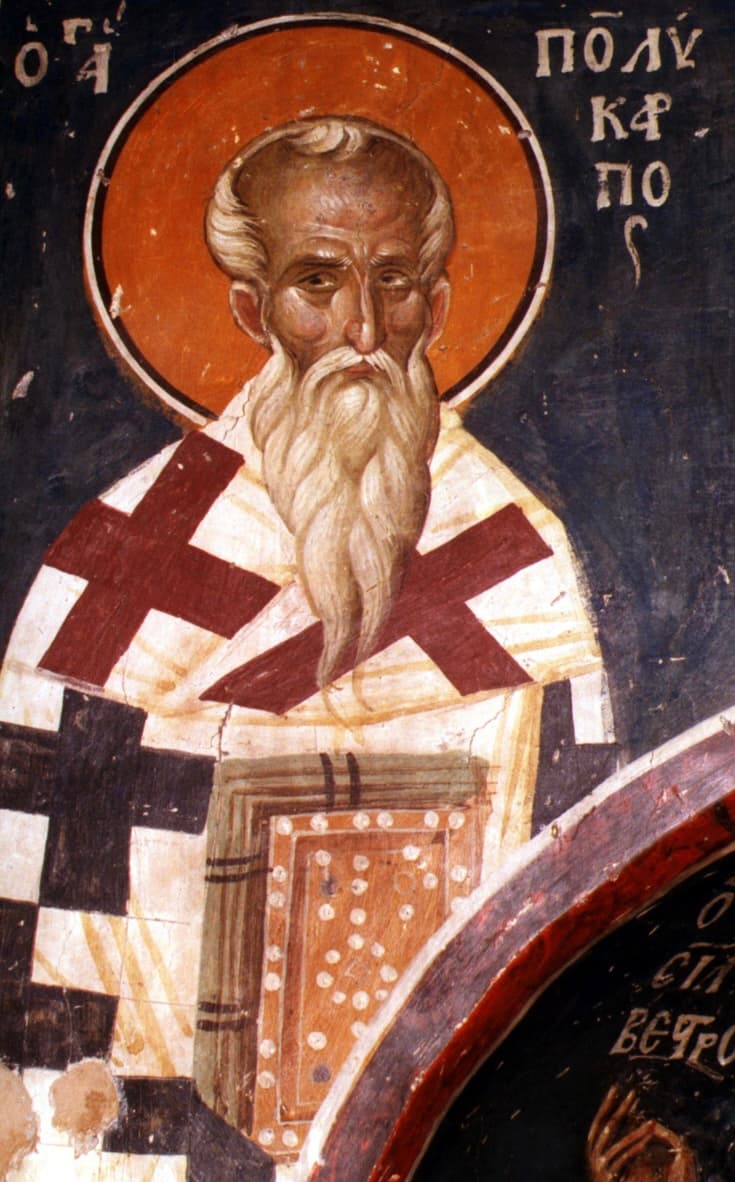
Polycarp of Smyrna
Polycarp of Smyrna was an early Christian bishop and a significant figure in the development of Christian theology and practice. Revered as a saint and Church Father, he is chiefly remembered for his martyrdom and his role as a direct link to the apostolic era, having been a disciple of John the Apostle.
Cyprian of Carthage
Cyprian of Carthage was an early Christian writer and bishop of Carthage in the 3rd century AD, known for his influential Latin works and strong pastoral leadership. He is remembered for his firm stance during theological controversies, his compassionate response to a devastating plague, and his martyrdom under Emperor Valerian. His writings significantly shaped Western Christian thought, particularly on the nature of the Church and the sacraments.