
Cyprian of Carthage
September 14·3rd century·North Africa
Cyprian of Carthage was an early Christian writer and bishop of Carthage in the 3rd century AD, known for his influential Latin works and strong pastoral leadership. He is remembered for his firm stance during theological controversies, his compassionate response to a devastating plague, and his martyrdom under Emperor Valerian. His writings significantly shaped Western Christian thought, particularly on the nature of the Church and the sacraments.
Key Facts
- ›Cyprian was a bishop of Carthage and an early Christian writer of Berber descent.
- ›He converted to Christianity around the age of thirty-five and became bishop in 249 AD.
- ›His writings, particularly 'on the Unity of the Catholic Church,' were highly influential.
- ›He was martyred by beheading on September 14, 258 AD, under Emperor Valerian.
- ›Cyprian is recognized as a saint in both Western and Eastern churches.
- ›He is often confused with Cyprian of Antioch, a magician before his conversion.
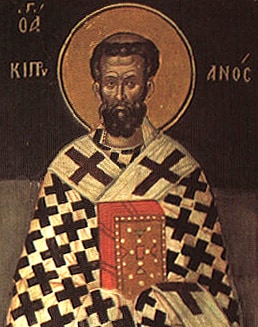
Thascius Caecilius Cyprianus
About Cyprian of Carthage
Cyprian of Carthage, born Thascius Caecilius Cyprianus around 210 AD, was a highly influential bishop of Carthage and a pivotal early Christian writer whose works significantly shaped Western theological thought. Of Berber descent, he received a classical education in his native North Africa before converting to Christianity in his mid-thirties, around 245 AD. Following his conversion, he quickly rose through the Church hierarchy, becoming bishop of Carthage in 249 AD.
Life and Ministry
Cyprian's episcopate was marked by significant challenges. He faced opposition from within the clergy and led the Church through the Decian persecution, during which he controversially chose to go into hiding, arguing it was necessary to continue shepherding his flock from afar. A major theological and pastoral challenge arose from the issue of the "lapsed" – Christians who had renounced their faith under persecution. Cyprian advocated for a rigorous but ultimately forgiving approach, requiring public penance before readmission to communion, a stance that led to schisms within the Church.
He also provided pastoral guidance during a devastating plague, known historically as the Plague of Cyprian, for which he is remembered for his charitable efforts and descriptions of the epidemic. His theological writings, characterized by eloquent Latin rhetoric, addressed crucial issues such as the unity of the Church, the nature of baptism, and the role of bishops. His treatise De Ecclesiae Catholicae Unitate is considered a foundational text on ecclesiology.
Martyrdom and Veneration
Cyprian's unwavering commitment to his faith led to his martyrdom. In 258 AD, during a renewed persecution under Emperor Valerian, he was arrested, tried, and sentenced to death. He was beheaded by the sword on September 14, 258 AD, in Carthage. His execution was witnessed by a large crowd, and his death solidified his reputation as a martyr.
Churches were later erected over his burial site, and his relics were venerated in various locations across Europe. The Catholic Church commemorates his feast day alongside Pope Cornelius on September 16, while the Eastern Orthodox Church celebrates him on August 31. Cyprian remains one of the most important figures of the early Latin Church, admired for his theological insights, pastoral dedication, and courageous witness to Christ.
Source: Wikipedia ↗
Frequently Asked Questions
Who was Cyprian of Carthage?
Cyprian of Carthage was a 3rd-century bishop of Carthage and a prominent early Christian writer. He was of Berber descent and received a classical education before his conversion to Christianity.
Why is Cyprian of Carthage important?
Cyprian is significant for his influential Latin writings, particularly on the unity of the Church and the sacraments. He also demonstrated strong pastoral leadership during times of persecution and plague and is revered as a martyr.
What was the 'Plague of Cyprian'?
The 'Plague of Cyprian' refers to a devastating epidemic that occurred in the mid-3rd century AD, which Cyprian described in his writings. The plague is named after him due to his detailed observations and pastoral care during the crisis.
What was Cyprian's stance on the 'lapsed' Christians?
During the Decian persecution, many Christians renounced their faith to avoid punishment, becoming known as the 'lapsed.' Cyprian insisted that they undergo public penance before being readmitted to the Church, taking a middle course between those who wanted immediate readmission and those who refused it entirely.
How did Cyprian die?
Cyprian was martyred during the persecution of Christians under Emperor Valerian. He was brought before the proconsul Galerius Maximus, refused to renounce his faith, and was subsequently beheaded by the sword on September 14, 258 AD.
What are some of Cyprian's most famous writings?
His most famous works include 'De Ecclesiae Catholicae Unitate' (On the Unity of the Catholic Church), 'De Lapsis' (On the Fallen), and 'Ad Donatum' (To Donatus), which details his conversion.
Related Saints
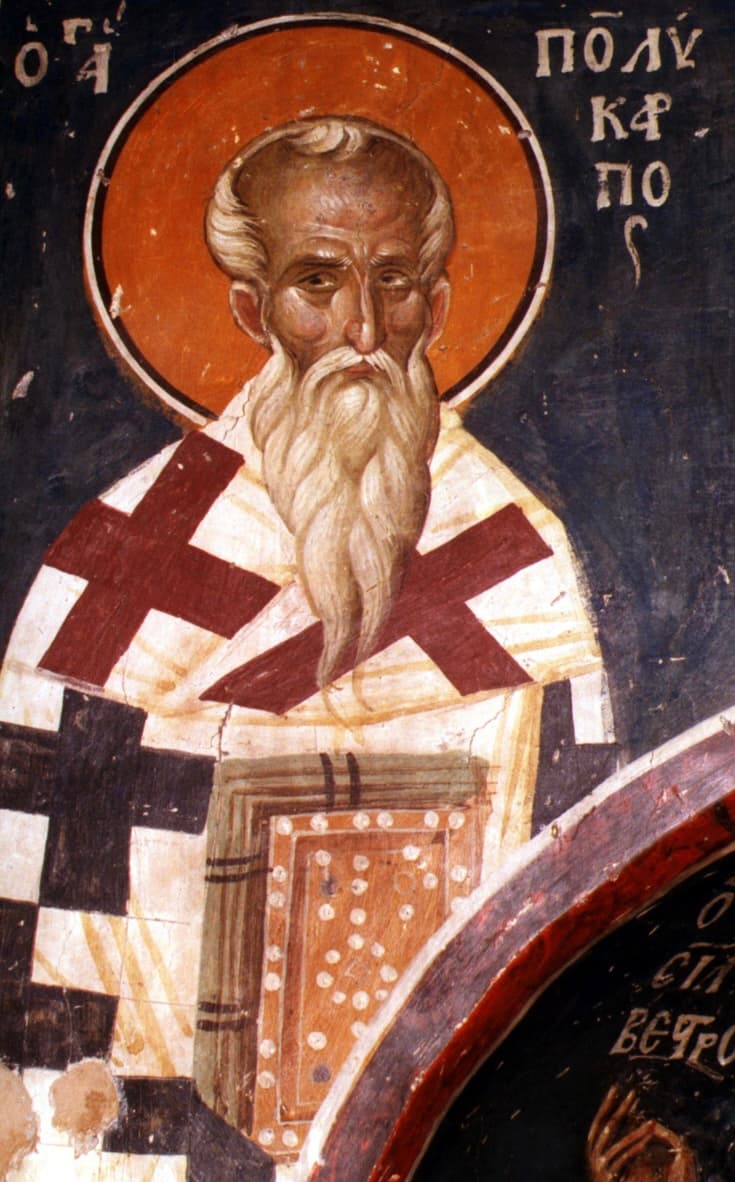
Polycarp of Smyrna
Polycarp of Smyrna was an early Christian bishop and a significant figure in the development of Christian theology and practice. Revered as a saint and Church Father, he is chiefly remembered for his martyrdom and his role as a direct link to the apostolic era, having been a disciple of John the Apostle.
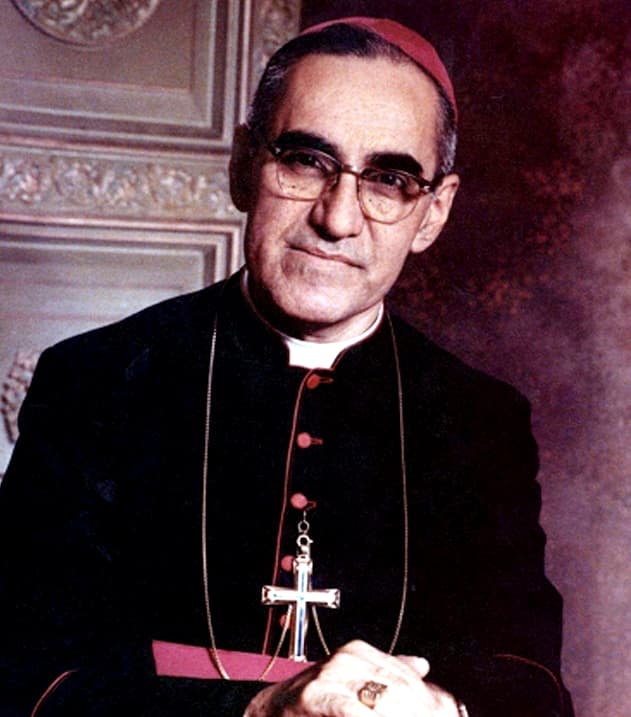
Óscar Arnulfo Romero y Galdámez
Óscar Arnulfo Romero y Galdámez was a prelate of the Catholic Church in El Salvador, serving as the Archbishop of San Salvador. He is remembered for his outspoken criticism of social injustice and violence during the Salvadoran Civil War, advocating for the poor and marginalized. Romero was assassinated in 1980 while celebrating Mass and was later canonized as a saint and martyr.
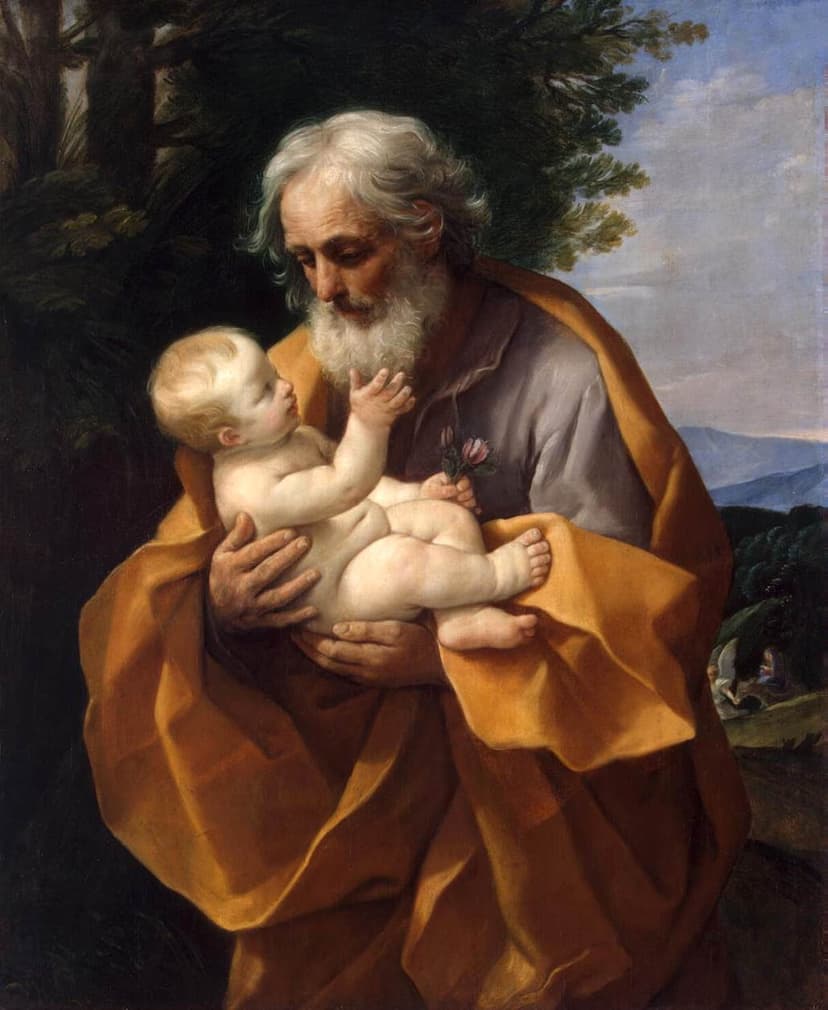
Joseph the Betrothed
Joseph the Betrothed was the legal father of Jesus and husband of Mary, according to the canonical Gospels. He is venerated in several Christian traditions as a model of chastity and a protector. Joseph is chiefly remembered for his role in the infancy narratives of Jesus and as the patron saint of workers and the Universal Church.