
Óscar Arnulfo Romero y Galdámez
March 24·20th century·El Salvador
Óscar Arnulfo Romero y Galdámez was a prelate of the Catholic Church in El Salvador, serving as the Archbishop of San Salvador. He is remembered for his outspoken criticism of social injustice and violence during the Salvadoran Civil War, advocating for the poor and marginalized. Romero was assassinated in 1980 while celebrating Mass and was later canonized as a saint and martyr.
Key Facts
- ›Óscar Arnulfo Romero y Galdámez served as the Archbishop of San Salvador.
- ›He became an outspoken critic of the military government of El Salvador after the murder of his friend, Father Rutilio Grande.
- ›Romero denounced social injustice, violence, and human rights violations.
- ›He was assassinated on March 24, 1980, while celebrating Mass.
- ›Romero was declared a martyr by Pope Francis in 2015 and canonized in 2018.
- ›The United Nations proclaimed March 24 as the "International Day for the Right to the Truth Concerning Gross Human Rights Violations and for the Dignity of Victims" in his honor.
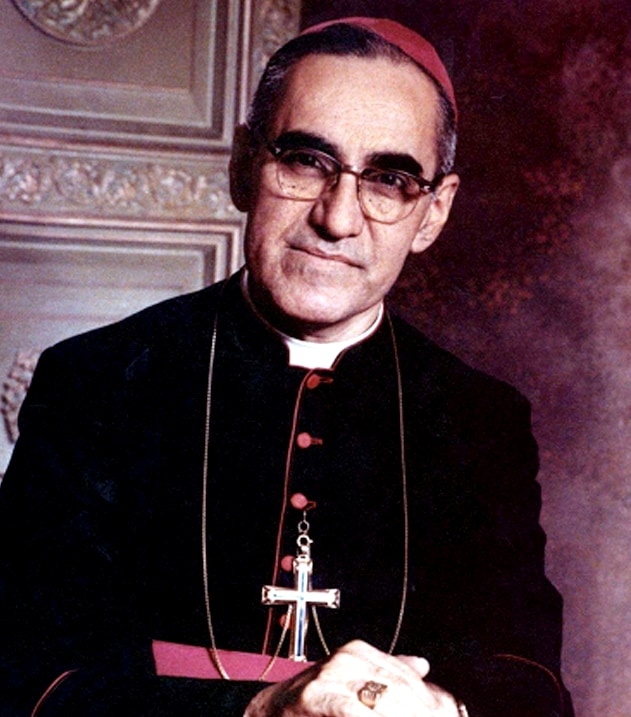
San Romero, Monseñor Romero
the Americas, El Salvador
Blood, Dove
About Óscar Arnulfo Romero y Galdámez
Óscar Arnulfo Romero y Galdámez (1917–1980) was a Salvadoran Roman Catholic prelate who served as the fourth Archbishop of San Salvador. He is revered as a prominent advocate for human rights and a critic of social injustice and violence, particularly during the escalating civil conflict in El Salvador. His outspoken stance against the military government and his defense of the poor and marginalized ultimately led to his assassination.
Early Life and Priesthood
Born in Ciudad Barrios, El Salvador, Romero entered the minor seminary at thirteen. He pursued theological studies in Rome, earning a Licentiate in Theology from the Gregorian University and beginning doctoral work. He was ordained a priest in Rome in 1942. His return journey to El Salvador was interrupted by internment in camps in Cuba, likely due to his departure from Fascist Italy. Upon his return to El Salvador, he served in various parish roles and as rector of the inter-diocesan seminary before being appointed Secretary of the Bishops' Conference and director of the archdiocesan newspaper.
Bishop and Archbishop
Romero was appointed Auxiliary Bishop of San Salvador in 1970 and later Bishop of Santiago de María in 1974. In 1977, he became Archbishop of San Salvador. Initially seen as a conservative, his perspective shifted dramatically following the murder of his close friend, Jesuit priest Rutilio Grande. This event galvanized Romero into becoming a vocal critic of the government's human rights abuses, poverty, and violence. His sermons, broadcast widely, became a vital source of news and a platform for denouncing persecution. He also penned an open letter to President Jimmy Carter, warning against increased U.S. military aid.
Theology and Legacy
Romero's theological views, particularly his engagement with liberation theology, were complex and sometimes debated. He emphasized the "preferential option for the poor" and the Church's role as the "voice of the voiceless." His focus on social sin and the need for conversion among the powerful positioned him as a controversial yet influential figure. He was assassinated on March 24, 1980, while celebrating Mass. Investigations later concluded that a death squad leader had ordered his killing.
Romero's martyrdom led to a cause for his beatification and canonization. Pope Francis declared him a martyr in 2015, beatified him later that year, and canonized him in 2018. He is venerated as a saint and martyr, often proclaimed an unofficial patron saint of the Americas and El Salvador. In recognition of his dedication to human rights, the United Nations established March 24 as the "International Day for the Right to the Truth Concerning Gross Human Rights Violations and for the Dignity of Victims."
Source: Wikipedia ↗
Frequently Asked Questions
When and where was Óscar Arnulfo Romero born?
Óscar Arnulfo Romero y Galdámez was born on August 15, 1917, in Ciudad Barrios, San Miguel, El Salvador.
What was Romero's role in the Catholic Church?
Romero held several positions within the Catholic Church, including Auxiliary Bishop of San Salvador, Titular Bishop of Tambeae, Bishop of Santiago de María, and ultimately, Archbishop of San Salvador.
What led Romero to become an outspoken critic of the government?
Initially perceived as socially conservative, Romero's stance shifted profoundly after the assassination of his friend, Jesuit priest Rutilio Grande. This event spurred him to publicly denounce the social injustice and violence prevalent in El Salvador.
What was the significance of Romero's radio sermons?
His weekly radio sermons, broadcast across El Salvador, provided a crucial source of information about the country's human rights abuses, disappearances, and murders. These sermons reached a vast audience, making him a prominent voice for the oppressed.
How was Romero assassinated?
Archbishop Romero was assassinated on March 24, 1980, while celebrating Mass at the chapel of Hospital de la Divina Providencia in San Salvador. He was shot by an assassin.
What is Romero's status in the Catholic Church?
Óscar Arnulfo Romero was declared a martyr by Pope Francis on February 3, 2015, leading to his beatification on May 23, 2015. He was subsequently canonized as a saint by Pope Francis on October 14, 2018.
Why is March 24 recognized internationally?
In recognition of Romero's advocacy for human rights and his martyrdom, the United Nations General Assembly proclaimed March 24 as the "International Day for the Right to the Truth Concerning Gross Human Rights Violations and for the Dignity of Victims."
Related Saints
Óscar Romero
Óscar Arnulfo Romero y Galdámez was a Catholic prelate in El Salvador who served as the fourth Archbishop of San Salvador. He is remembered for his outspoken opposition to social injustice and violence during the escalating conflict that led to the Salvadoran Civil War, and for his martyrdom when he was assassinated while celebrating Mass.
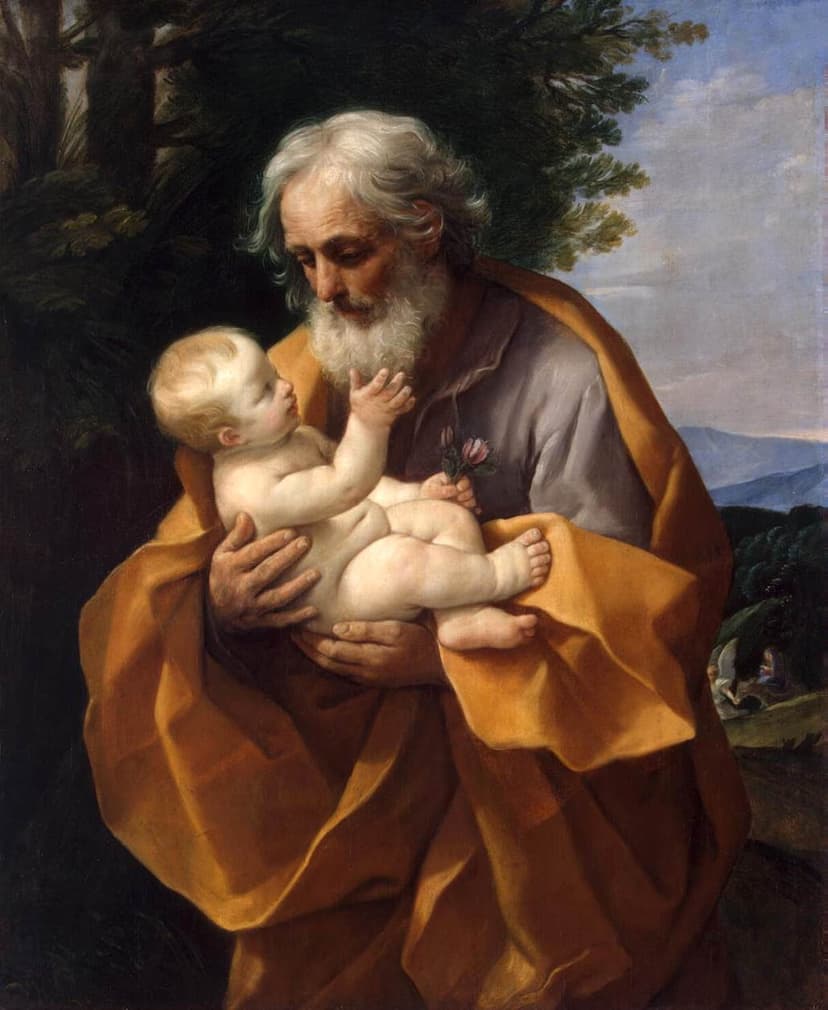
Joseph the Betrothed
Joseph the Betrothed was the legal father of Jesus and husband of Mary, according to the canonical Gospels. He is venerated in several Christian traditions as a model of chastity and a protector. Joseph is chiefly remembered for his role in the infancy narratives of Jesus and as the patron saint of workers and the Universal Church.
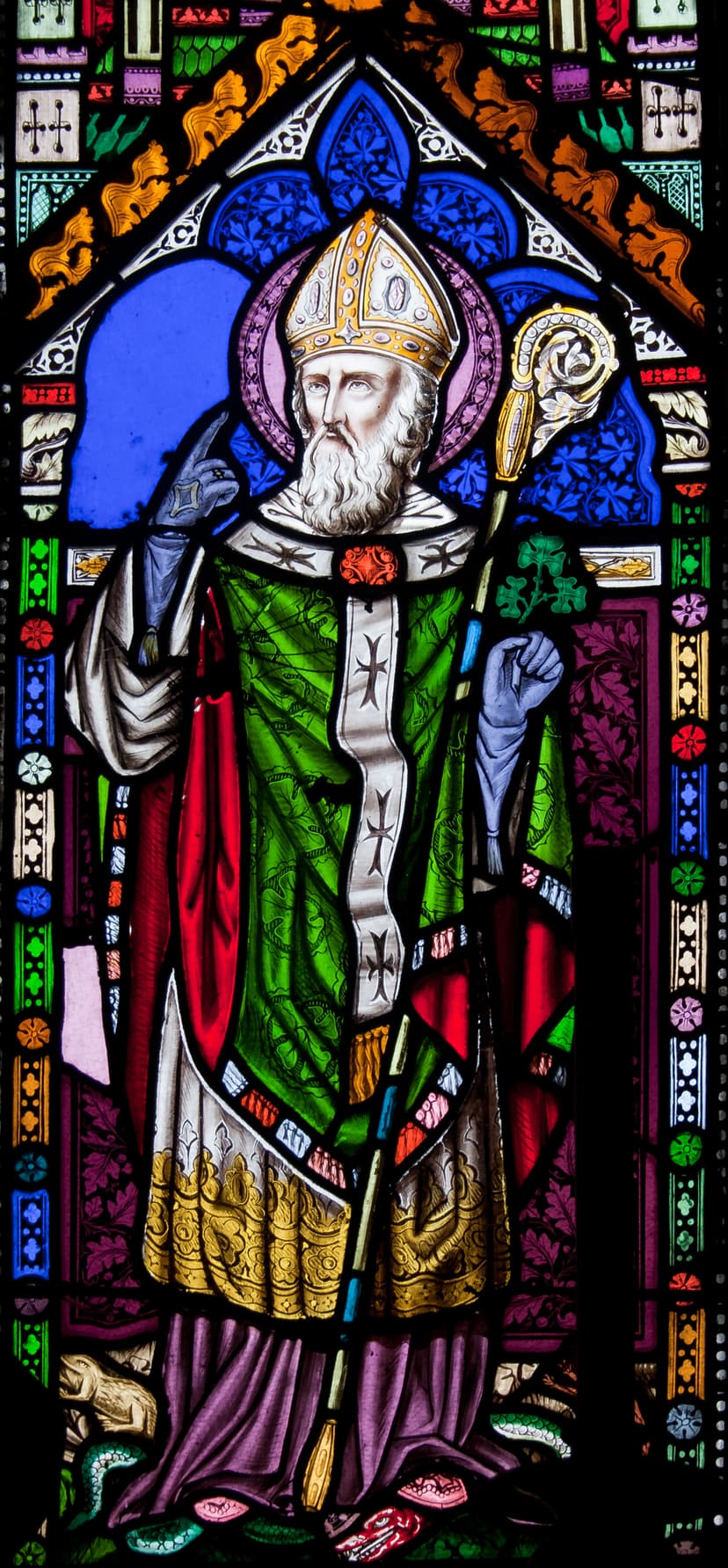
Patrick of Ireland
Patrick of Ireland was a fifth-century Romano-British Christian missionary and bishop, venerated as the primary patron saint of Ireland. He is chiefly remembered for his role in spreading Christianity throughout Ireland, converting thousands and ordaining priests. Patrick's own writings, the Confessio and the Letter to the Soldiers of Coroticus, provide insights into his life and mission.