
Patrick of Ireland
March 17·5th century·Ireland
Patrick of Ireland was a fifth-century Romano-British Christian missionary and bishop, venerated as the primary patron saint of Ireland. He is chiefly remembered for his role in spreading Christianity throughout Ireland, converting thousands and ordaining priests. Patrick's own writings, the Confessio and the Letter to the Soldiers of Coroticus, provide insights into his life and mission.
Key Facts
- ›Patrick was a fifth-century Romano-British Christian missionary and bishop in Ireland.
- ›He is known as the "Apostle of Ireland" and is the primary patron saint of the country.
- ›Patrick's own writings, the Confessio and the Letter to the Soldiers of Coroticus, survive.
- ›He was captured by Irish pirates at sixteen, enslaved in Ireland for six years, and later returned as a missionary.
- ›Patrick converted thousands, ordained priests, and established Christian communities.
- ›He is venerated in the Catholic Church, Church of Ireland, Lutheranism, and the Eastern Orthodox Church.
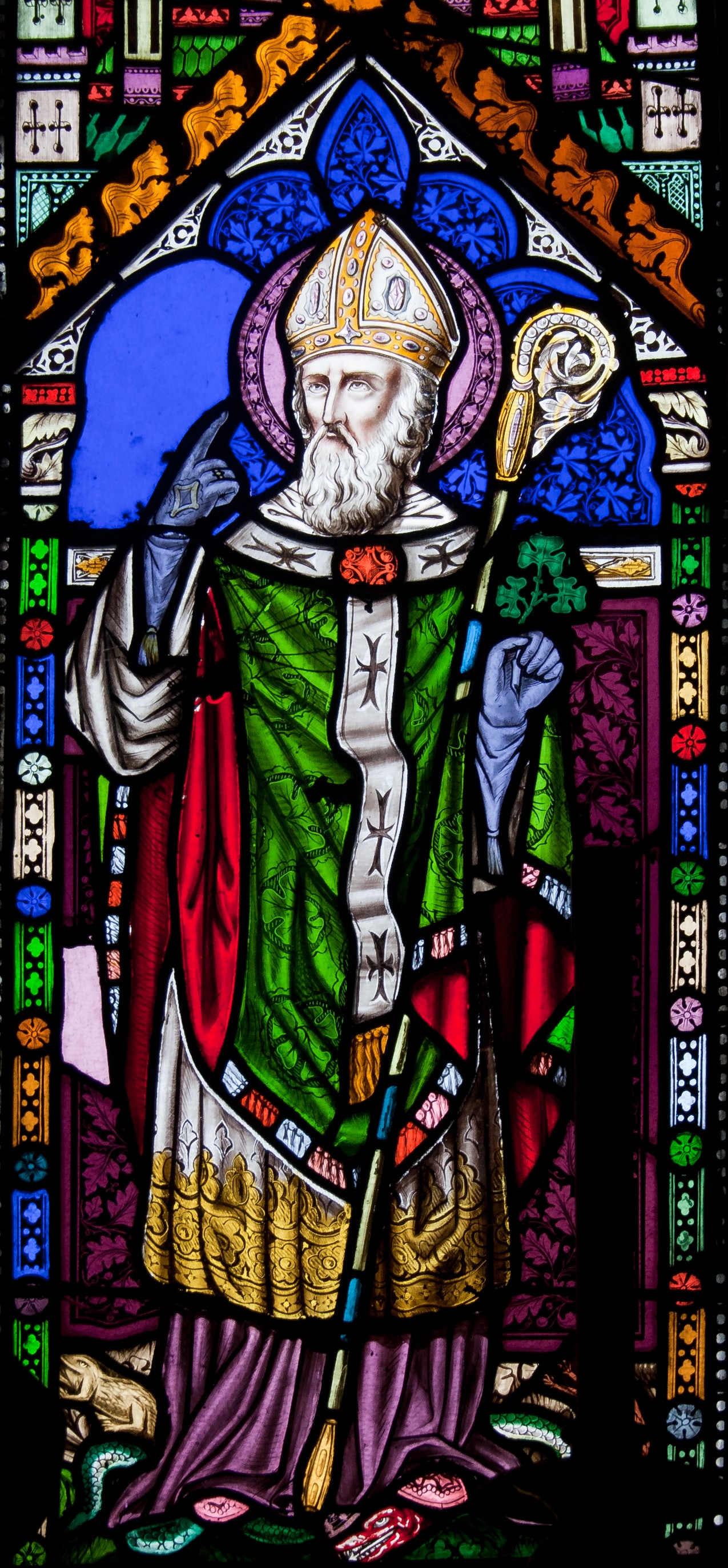
Pátraic, Pádraig, Magonus, Succetus, Cothirthiacus, Maun, Sochet, Cothraige, Enlightener of Ireland
Ireland, Nigeria
Shamrock
About Patrick of Ireland
Patrick of Ireland was a fifth-century Romano-British Christian missionary and bishop, widely revered as the primary patron saint of Ireland. His life and work are central to the history of Christianity in Ireland, and he is honored in various Christian traditions, including the Catholic Church, the Church of Ireland, Lutheranism, and the Eastern Orthodox Church.
Life and Historical Context
Patrick's exact birth and death dates remain uncertain, though he is generally accepted to have been active in Ireland during the fifth century. He recounted in his own writings that at the age of sixteen, he was captured by Irish pirates from his home in Britain and taken to Ireland as a slave. He spent six years as a herder before escaping and returning to Britain. Following a period of study, likely in Gaul, he returned to Ireland as a bishop to spread Christianity.
His own writings, the Confessio and the Letter to the Soldiers of Coroticus, are the most reliable sources for his life. These texts detail his experiences of captivity, his spiritual growth, his escape, and his subsequent missionary endeavors. While later hagiographies from the seventh century, such as those by Muirchú and Tírechán, provide more detailed narratives, they are considered less historically certain than Patrick's own accounts.
Missionary Work and Legacy
As a bishop, Patrick is credited with converting thousands of Irish people and ordaining numerous priests. He faced challenges, including opposition from ruling elites and accusations from church leaders in Britain, which he addressed in his writings. Despite these difficulties, his mission was instrumental in establishing a significant Christian presence in Ireland, transforming it from a land of paganism to one of Christian devotion. He is also patron saint of Nigeria and is regarded in the Eastern Orthodox Church as "equal-to-the-apostles" and "Enlightener of Ireland."
His feast day, Saint Patrick's Day, is observed on March 17 and is celebrated globally as a major religious and cultural holiday, particularly among the Irish diaspora. Legends associated with Patrick include his use of the shamrock to explain the Trinity and his purported banishment of snakes from Ireland.
Source: Wikipedia ↗
Frequently Asked Questions
When did Saint Patrick live?
The dates of Patrick's life cannot be fixed with certainty, but there is general agreement that he was active as a missionary in Ireland during the fifth century. His death is often placed around 460 or 493 AD.
What are Saint Patrick's most important writings?
Two Latin writings by Patrick survive: the Confessio and the Letter to the soldiers of Coroticus. These works offer the most reliable details about his life and mission.
How did Patrick become a missionary in Ireland?
Patrick was captured by Irish pirates at sixteen and enslaved in Ireland for six years as a herder. After escaping and returning to Britain for education, he felt called to return to Ireland as a missionary bishop.
What evidence exists for Patrick's life?
The primary evidence comes from Patrick's own writings, the Confessio and the Letter to the Soldiers of Coroticus. Later hagiographies from the seventh century, such as those by Muirchú and Tírechán, also exist but are considered less historically empirical.
Why is Patrick considered the "Apostle of Ireland"?
He is known as the "Apostle of Ireland" because he is credited with bringing Christianity to the island on a large scale, converting thousands of people and ordaining many priests during the fifth century.
What is Saint Patrick's Day celebrated on?
Saint Patrick's Day is observed on March 17, which is traditionally considered the date of his death.
Related Saints
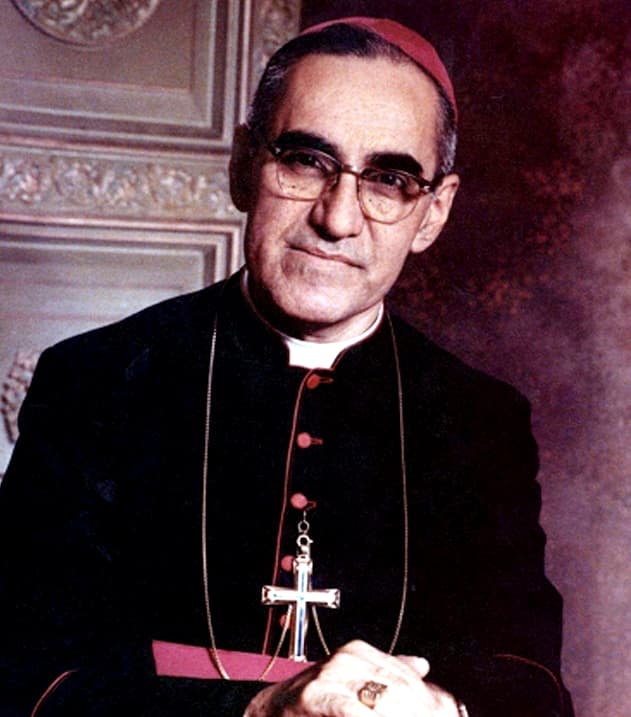
Óscar Arnulfo Romero y Galdámez
Óscar Arnulfo Romero y Galdámez was a prelate of the Catholic Church in El Salvador, serving as the Archbishop of San Salvador. He is remembered for his outspoken criticism of social injustice and violence during the Salvadoran Civil War, advocating for the poor and marginalized. Romero was assassinated in 1980 while celebrating Mass and was later canonized as a saint and martyr.
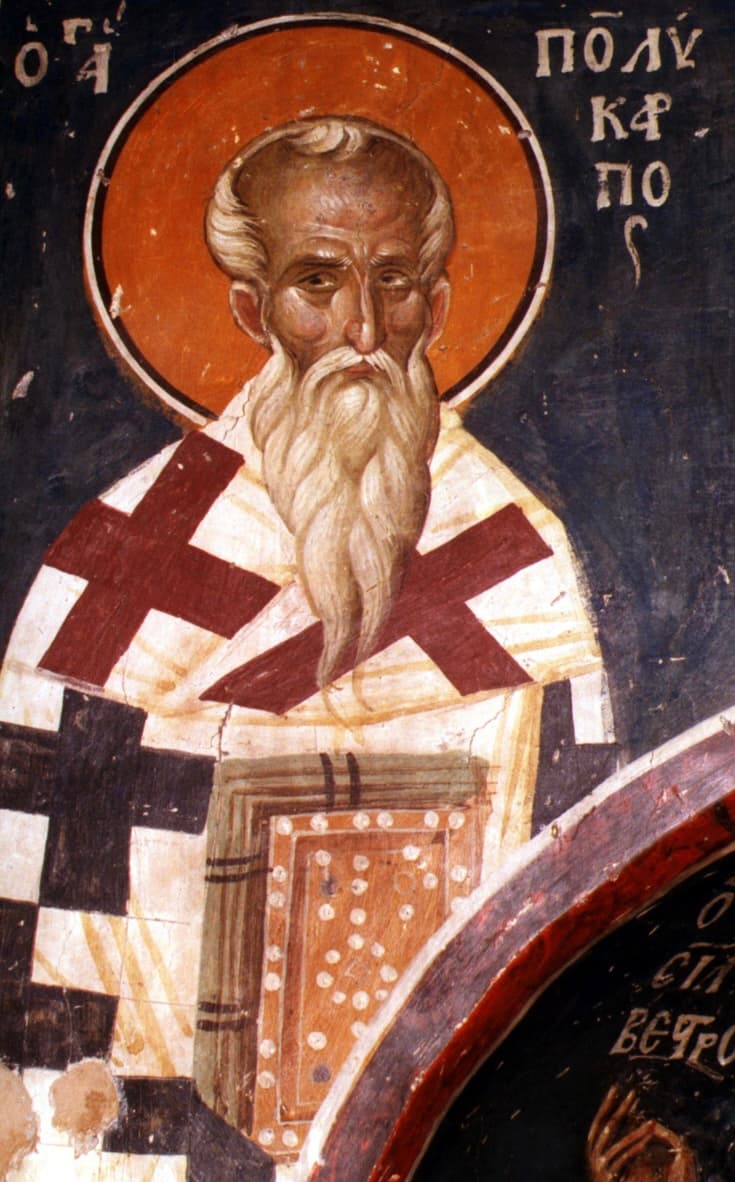
Polycarp of Smyrna
Polycarp of Smyrna was an early Christian bishop and a significant figure in the development of Christian theology and practice. Revered as a saint and Church Father, he is chiefly remembered for his martyrdom and his role as a direct link to the apostolic era, having been a disciple of John the Apostle.
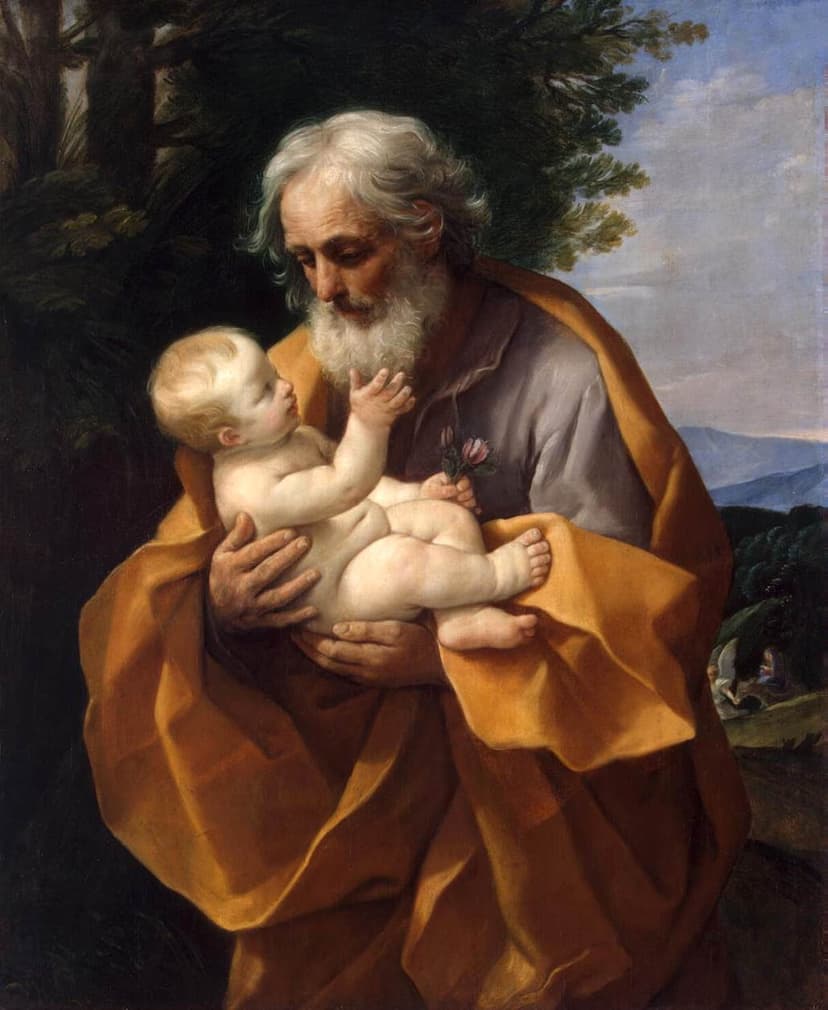
Joseph the Betrothed
Joseph the Betrothed was the legal father of Jesus and husband of Mary, according to the canonical Gospels. He is venerated in several Christian traditions as a model of chastity and a protector. Joseph is chiefly remembered for his role in the infancy narratives of Jesus and as the patron saint of workers and the Universal Church.