
Paphnutius the Ascetic
Paphnutius the Ascetic was an Egyptian anchorite and disciple of Saint Macarius the Great active in the fourth century. He is primarily remembered for his written accounts detailing the lives of desert hermits, most notably Saint Onuphrius. His life and teachings were also influential, leading to his inclusion in later literary works.
Key Facts
- ›Paphnutius the Ascetic was an Egyptian anchorite of the fourth century.
- ›He was a disciple of Saint Macarius the Great.
- ›He is known for writing about the lives of desert hermits, including Saint Onuphrius.
- ›Cassian visited him in 395 when he was ninety years old.
- ›His feast is celebrated on February 15 and September 25 in the Orthodox Church.
- ›He is featured in the play Paphnutius by Hrosvit.
Paphnutius the Hermit, Ⲁⲃⲃⲁ Ⲡⲁⲫⲛⲟⲩϯ
About Paphnutius the Ascetic
Paphnutius the Ascetic, also known as Paphnutius the Hermit, was a significant Egyptian anchorite who lived during the fourth century. As a disciple of Saint Macarius the Great, he was deeply immersed in the early traditions of Christian monasticism in the Egyptian desert. His life and contributions are primarily known through his writings and his interactions with other notable figures of his time.
Life and Veneration
Paphnutius's spiritual lineage traces back to Saint Macarius the Great, a prominent figure in early desert asceticism. His own life as an anchorite placed him among those who sought spiritual perfection through solitude and prayer in the desert. Historical records indicate that Dionysius Exiguus visited him in 395, finding him to be ninety years old at the time, which suggests a long life dedicated to ascetic practices. His veneration is observed in several Christian traditions, with feast days noted on February 15 and September 25 in the Orthodox Church, and on 15 Meshir in Coptic Christianity.
Literary and Historical Significance
Paphnutius the Ascetic is most celebrated for his hagiographical works, particularly his accounts of the lives of other hermits of the Egyptian desert. His writings on figures like Saint Onuphrius are crucial sources for understanding the spiritual practices and lives of these early ascetics. Beyond his own writings, Paphnutius himself became a subject in later literature. He is prominently featured in the play "Paphnutius" by the Benedictine nun Hrosvit of Saxony, a tenth-century writer, where he is depicted as instrumental in the conversion of the courtesan Thais to Christianity. This dramatic portrayal has further cemented his place in Christian literary and devotional history.
Source: Wikipedia ↗
Frequently Asked Questions
Who was Paphnutius the Ascetic?
Paphnutius the Ascetic was an Egyptian anchorite, or hermit, who lived in the fourth century. He was a disciple of Saint Macarius the Great and is known for his writings about other desert hermits.
What is Paphnutius the Ascetic most famous for?
He is most famous for his accounts of the lives of many hermits of the Egyptian desert, such as Saint Onuphrius. These writings provide valuable insight into early Christian monasticism.
When is Paphnutius the Ascetic's feast day?
In the Orthodox Church, his feast is celebrated on February 15 and September 25. Coptic Christianity observes his feast on 15 Meshir.
Was Paphnutius the Ascetic a historical figure?
Historical accounts place Paphnutius the Ascetic in the fourth century as a disciple of Saint Macarius the Great. Cassian visited him in 395, indicating his presence at that time.
Related Saints
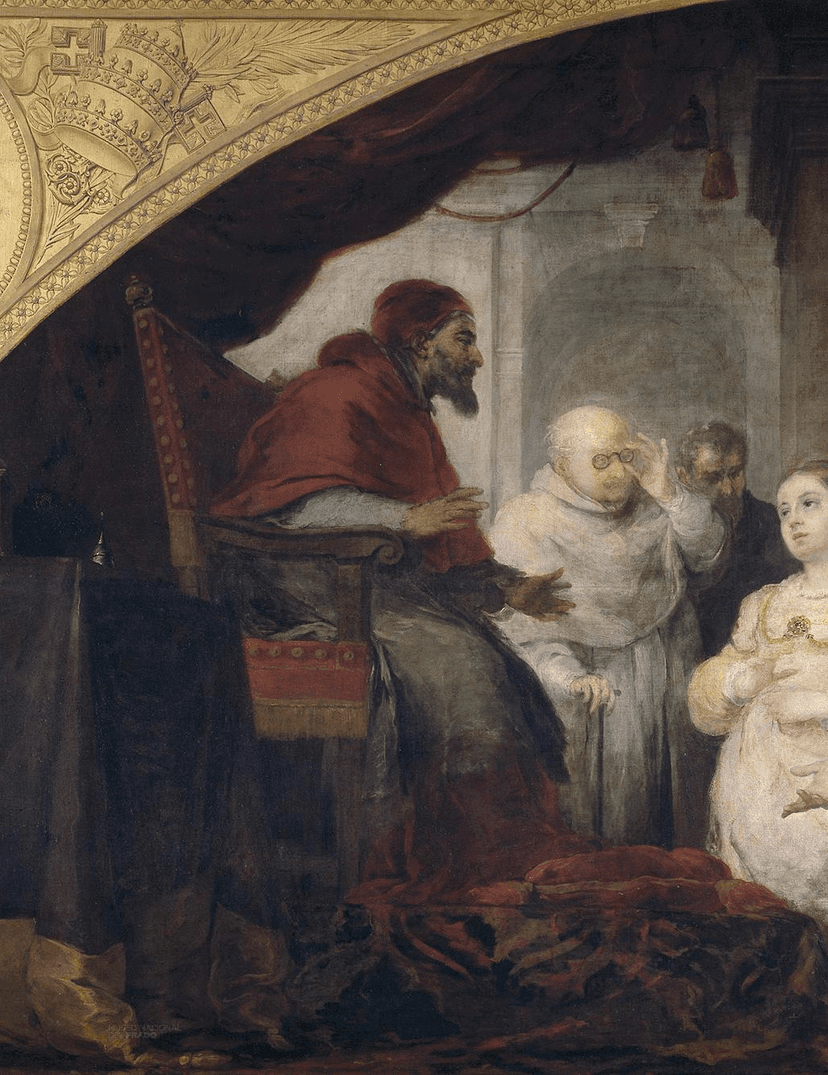
Liberius of Rome
Pope Liberius served as the bishop of Rome from 352 to 366 CE. He is notable for being the earliest pope not venerated as a saint in the Catholic Church, though he is recognized as a saint in the Greek Menology. Liberius's pontificate was marked by significant theological disputes, particularly concerning Arianism and the condemnation of Athanasius of Alexandria.
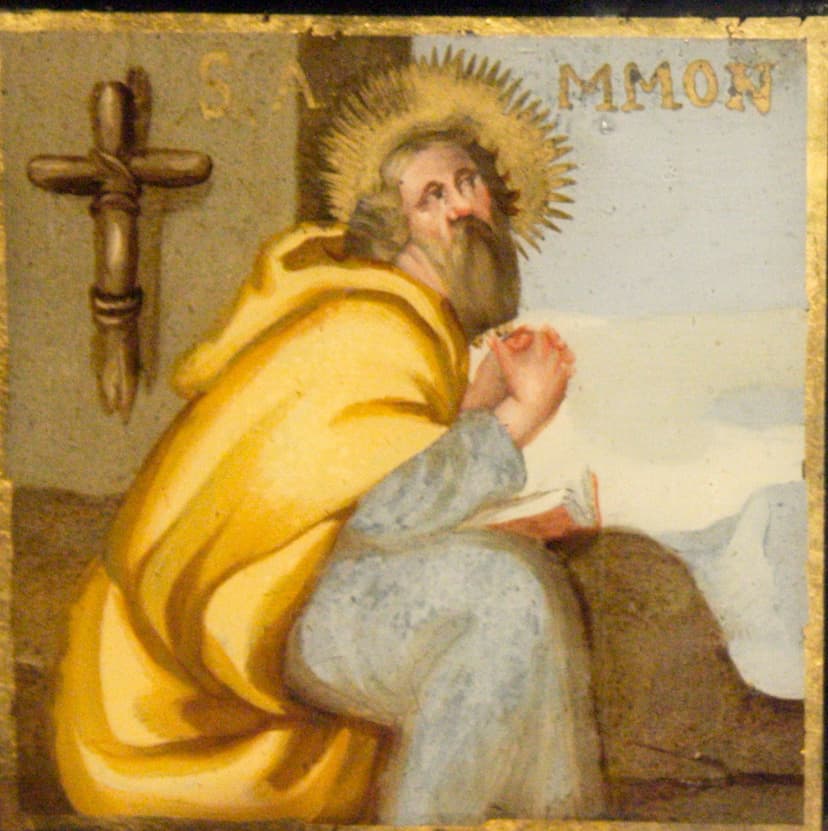
Ammon of Egypt
Ammon of Egypt was a 4th-century Christian ascetic and the founder of one of Egypt's most celebrated monastic communities. He is remembered for his influential role in early monasticism, particularly in the Nitrian Desert, and for his teachings on asceticism. His life and writings inspired many to follow a monastic path.
Ammon of Nitria
Ammonas of Egypt was an early Christian anchorite and Desert Father, born around the early 4th century. He was a disciple of Anthony the Great and is remembered for his asceticism, spiritual teachings, and insights into early Christian monasticism. His sayings are preserved in the Sayings of the Desert Fathers, and his epistles offer valuable historical context.