
Ammon of Egypt
October 4·4th century·Egypt
Ammon of Egypt was a 4th-century Christian ascetic and the founder of one of Egypt's most celebrated monastic communities. He is remembered for his influential role in early monasticism, particularly in the Nitrian Desert, and for his teachings on asceticism. His life and writings inspired many to follow a monastic path.
Key Facts
- ›Ammon was a 4th-century Christian ascetic.
- ›He founded one of the most celebrated monastic communities in Egypt.
- ›He lived in Scetis and Nitria, south of Lake Mareotis.
- ›He is traditionally considered the first hermit to establish a monastery known as Kellia.
- ›Seventeen or nineteen Rules of Asceticism are ascribed to him.
- ›His feast day is October 4 in the Eastern Orthodox and Catholic Churches.
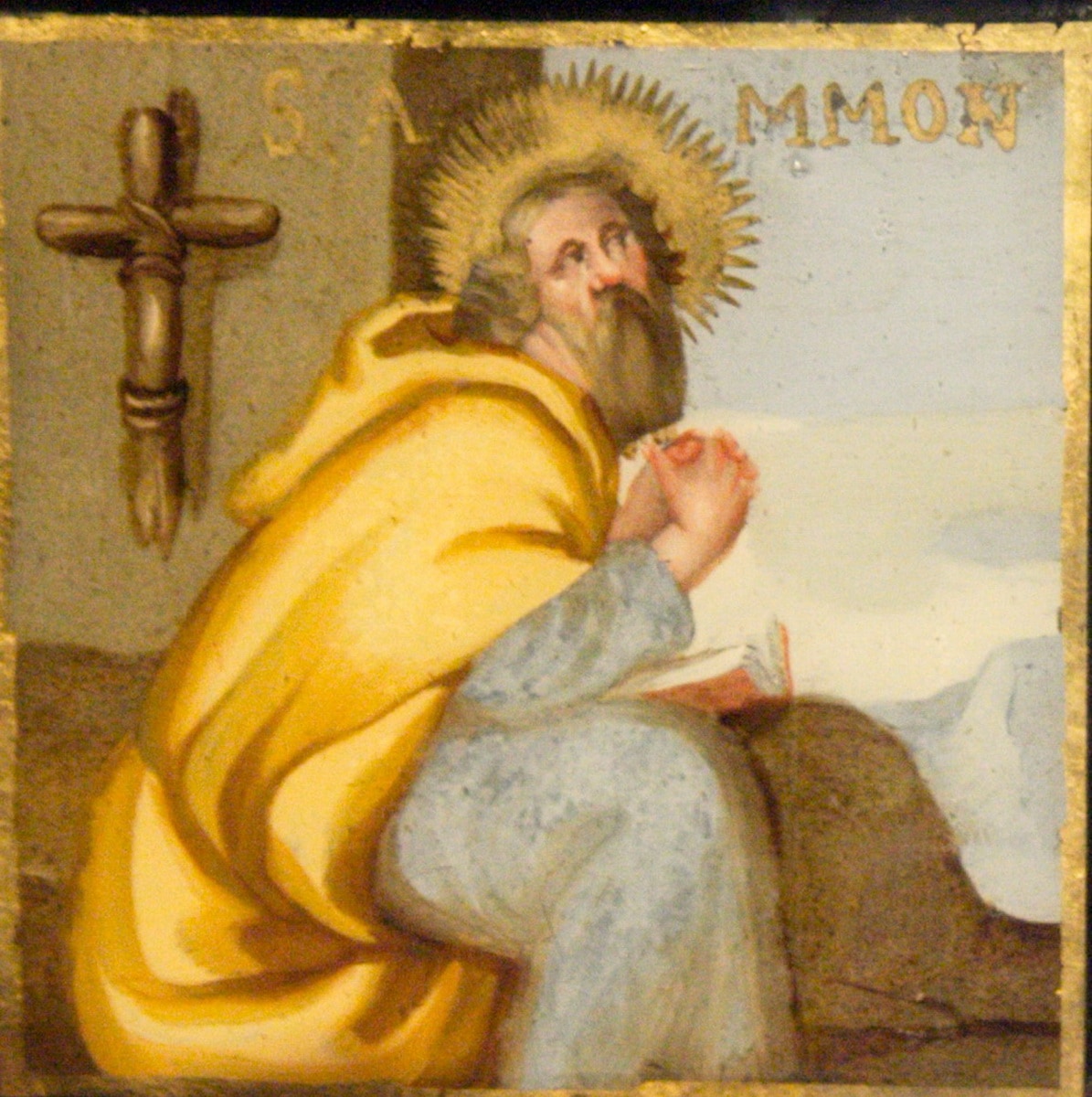
Amun, Abba Amoun, Ammonas, Amoun, Ammonius the Hermit
About Ammon of Egypt
Ammon of Egypt, also known as Amun, Ammonas, Amoun, or Ammonius the Hermit, was a prominent 4th-century Christian ascetic and a foundational figure in Egyptian monasticism. He is venerated as a saint in several Christian traditions for his austere lifestyle and his role in establishing influential monastic communities.
Life and Historical Context
Born into a family that arranged his marriage at the age of 20, Ammon famously persuaded his bride to take a mutual vow of chastity with him, drawing authority from Saint Paul's epistles. They maintained this chaste union for 18 years. Following an agreement with his wife, they parted ways, and Ammon retreated to the Scetis and Nitria region, south of Lake Mareotis. There, he lived as a hermit for 22 years, reportedly visiting his sister-wife twice annually. His wife had established a convent in her own home.
Ammon is considered one of the most revered ascetics of the Nitrian Desert. He is often credited, though not definitively verifiable, as the first hermit to establish a monastery, known as Kellia, near Nitria. His piety and reputation drew many to the area, contributing to the growth of monastic settlements. Athanasius of Alexandria mentions Ammon in his "Life of Anthony the Great." Ammon died at the age of 62, likely around 320 AD, as Anthony the Great wrote an epistle to him before his own death in 365 AD, recounting a vision of Ammon's soul being carried to heaven by angels.
Major Contributions and Writings
Ammon's primary contribution was the formation of a structured monastic community from individual hermits under his direct supervision. His teachings and life exemplified ascetic discipline. Seventeen or nineteen "Rules of Asceticism" (κεφάλαια) are attributed to him, with the Greek original surviving in manuscript form and published in Latin. Additionally, twenty-two "Ascetic Institutions" bear his name, also existing in manuscript. A collection of his letters is preserved in the Patrologia Orientalis, and his work "Instructions: Counsel to Novices" is available in Greek, Latin, and English.
Veneration
Ammon of Egypt is venerated as a saint in the Eastern Orthodox Church, the Catholic Church, and the Coptic Orthodox Church. His feast day is observed on October 4 in the Eastern Orthodox and Catholic traditions, and on 20 Pashons in the Coptic Orthodox Church. He is remembered as a confessor for his steadfast witness to the faith through his ascetic life and teachings.
Source: Wikipedia ↗
Frequently Asked Questions
Who was Ammon of Egypt?
Ammon of Egypt was a 4th-century Christian ascetic and a pivotal figure in early monasticism. He is credited with founding one of the most renowned monastic communities in Egypt, located in the Scetis and Nitria region.
What is Ammon of Egypt known for?
He is primarily known for his ascetic lifestyle and for establishing a significant monastic community at Kellia, near Nitria. He is also recognized for his writings on asceticism, including rules and letters that guided monastic life.
When did Ammon of Egypt live?
Ammon lived in the 4th century. Historical accounts suggest he died around 320 AD, before Anthony the Great, who lived until approximately 365 AD.
What was Ammon's relationship with his wife?
Ammon was married at age 20 but persuaded his bride to take a mutual vow of chastity. They lived separately within their marriage for 18 years before parting completely, after which he retired to the desert for his monastic life.
What writings are attributed to Ammon of Egypt?
Several works are ascribed to Ammon, including seventeen or nineteen Rules of Asceticism, twenty-two Ascetic Institutions, and a collection of letters. His work 'Instructions: Counsel to Novices' also survives.
When is the feast day of Ammon of Egypt?
The feast day of Ammon of Egypt is celebrated on October 4 in the Eastern Orthodox and Catholic Churches. In the Coptic Orthodox Church, his feast is observed on 20 Pashons.
Related Saints
Euphrosyne of Alexandria
Euphrosyne of Alexandria was an Egyptian saint who lived as an ascetic for 38 years by disguising herself as a male monk. She is chiefly remembered for her devotion, her clever evasion of an arranged marriage, and her eventual reconciliation with her father before his own monastic life.
John of Tella
John of Tella was a 6th-century Syriac Orthodox bishop, theologian, and ascetic, recognized for his pivotal role in preserving the Syriac Orthodox Church during a period of intense persecution in the eastern Byzantine Empire. He is chiefly remembered for his efforts to maintain the non-Chalcedonian hierarchy by organizing the ordination of thousands of clergy and for his theological writings that solidified Miaphysite Christology.
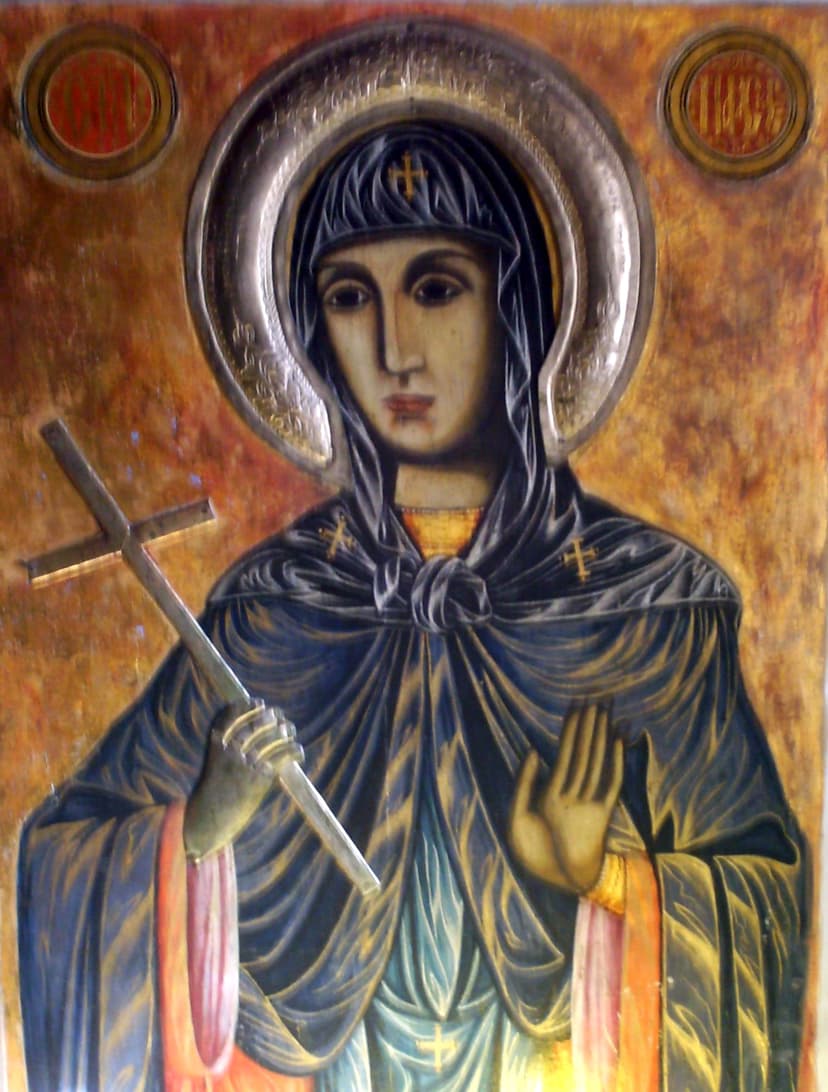
Paraskeva of the Balkans
Paraskeva of the Balkans was an 11th-century ascetic saint born in Epivates, near Constantinople. She is remembered for her austere life, visions of the Virgin Mary, and the spread of her veneration throughout Bulgaria and the Romanian principalities from the 14th century onward. Her feast day is observed on October 14 in the Eastern Orthodox Church.