
Paraskeva of the Balkans
October 14·11th century·Bulgaria
Paraskeva of the Balkans was an 11th-century ascetic saint born in Epivates, near Constantinople. She is remembered for her austere life, visions of the Virgin Mary, and the spread of her veneration throughout Bulgaria and the Romanian principalities from the 14th century onward. Her feast day is observed on October 14 in the Eastern Orthodox Church.
Key Facts
- ›Paraskeva was born in Epivates, near Constantinople, to wealthy landowners.
- ›Legends state that as a child, she was inspired by biblical words to renounce her worldly possessions and pursue an ascetic life.
- ›She lived in various locations including Chalcedon, Heraclea Pontica, and a convent near the Jordan River.
- ›An angel reportedly instructed her to return to her homeland, where she lived for two more years before dying at age 27.
- ›Her relics were transferred multiple times, including to Veliko Tarnovo, Belgrade, Constantinople, and ultimately to IașI, Moldavia (now Romania).
- ›Confusion arose regarding her identity due to the translation of her Greek name, which means 'Friday,' into various languages as 'Saint Friday.'
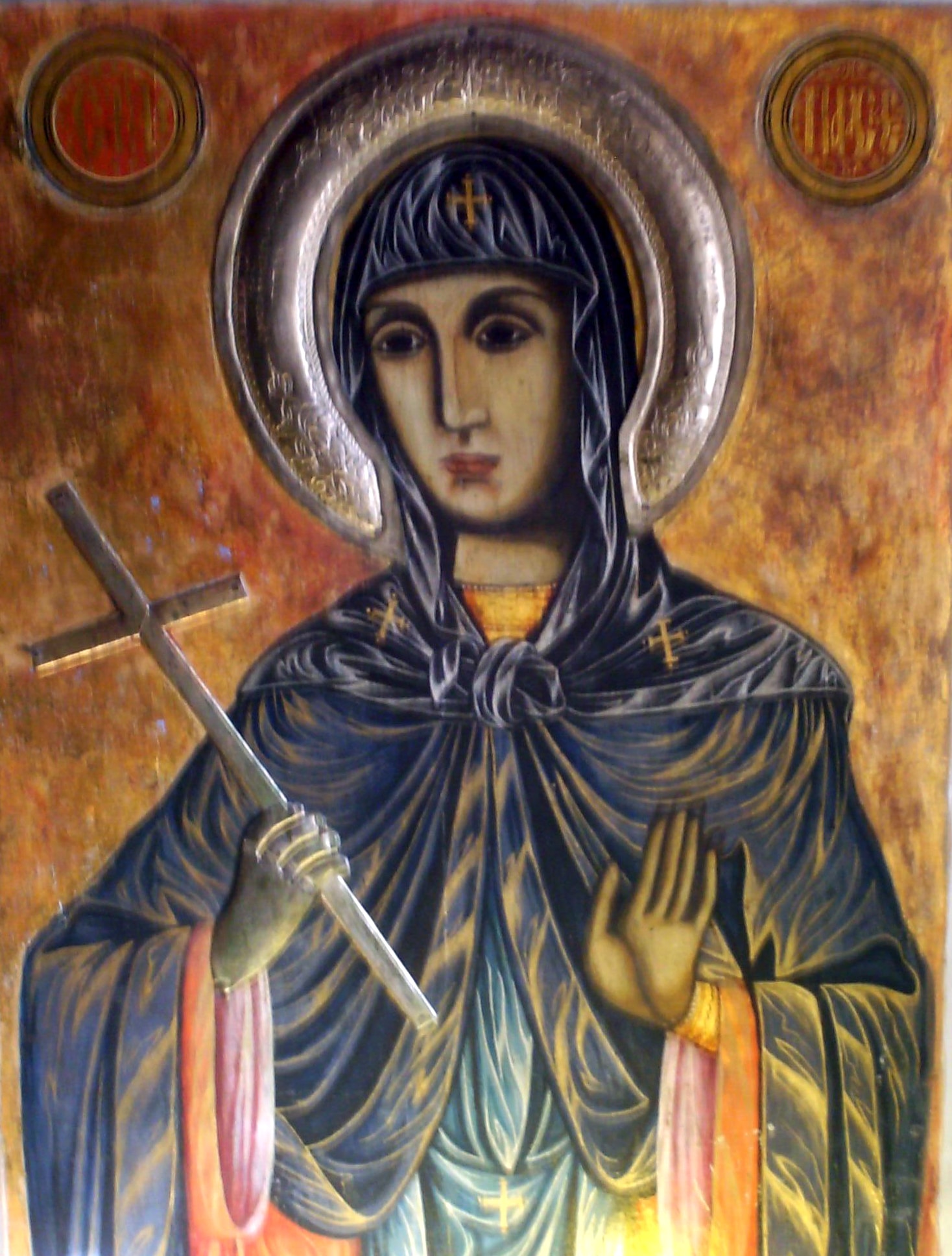
Petka, Sveta Petka Tarnovska, Sfânta Vineri
About Paraskeva of the Balkans
Paraskeva of the Balkans, also known by the name Petka, was an ascetic female saint of the 11th century. Born in Epivates, a town near Constantinople, she is a venerated figure in Orthodox Christianity, particularly in Bulgaria and the Danubian Principalities, which later became part of Romania.
Life and Asceticism
According to hagiographical accounts, Paraskeva's devout life began in her youth. Inspired by biblical passages heard in church, she renounced her wealthy upbringing, gave away her possessions, and pursued an ascetic path. Her journey led her to various locations, including Chalcedon and Heraclea Pontica, where she lived an austere life and reportedly experienced visions of the Virgin Mary. She also traveled to Jerusalem and eventually settled in a convent near the Jordan River. Later, guided by a divine message, she returned to her homeland, living her final two years in Kallikrateia, where she died at the age of 27.
Relics and Veneration
Christian tradition holds that Paraskeva's body was found to be incorrupt many years after her death. Her relics underwent a significant journey over centuries, being transferred from Kallikrateia to Veliko Tarnovo, Bulgaria, in 1238. They were later moved to Belgrade, Serbia, in 1393, and then to Constantinople in 1521. In 1641, the relics were brought to the Trei Ierarhi Monastery in Iași, Moldavia, and in 1888, they found their final resting place in the Metropolitan Cathedral of Iași. The veneration of Saint Paraskeva began to spread notably in the 14th century from Bulgaria into Wallachia and Moldavia.
Identity and Confusion
Paraskeva's identity and attributes have sometimes been subject to confusion. Her Greek name, Παρασκευή (Paraskeuḗ), translates to "preparation [of the Sabbath]" or "Friday." This literal translation into languages like Serbian ("Sveta Petka") and Romanian ("Sfânta Vineri") has sometimes led to scholars misunderstanding the name and connecting it with folk tales or even pre-Christian deities associated with Friday. This has occasionally led to conflation with other saints named Paraskeva, such as the 3rd-century martyr Paraskevi of Iconium.
Modern Devotion
Today, Paraskeva of the Balkans remains a highly revered saint. The annual pilgrimage at the Metropolitan Cathedral in Iași attracts hundreds of thousands of devotees, making it one of Romania's major religious events. The city itself marks its Celebration Days concurrently with the commemoration of Saint Parascheva. Numerous churches worldwide are dedicated in her honor, reflecting the enduring impact of her ascetic life and the devotion she inspires.
Source: Wikipedia ↗
Frequently Asked Questions
Who was Paraskeva of the Balkans?
Paraskeva of the Balkans was an 11th-century ascetic saint, also known as Petka. She was born in Epivates, near Constantinople, and is venerated for her devout life and visions.
When is the feast day of Paraskeva of the Balkans?
The feast day of Paraskeva of the Balkans is commemorated on October 14 in the Eastern Orthodox Church.
Where are the relics of Paraskeva of the Balkans?
The relics of Paraskeva of the Balkans are primarily venerated at the Metropolitan Cathedral in Iași, Romania, after a long journey through various locations.
Why is there confusion about the identity of Paraskeva of the Balkans?
Confusion exists because her Greek name, Paraskevḗ, means 'preparation [of the Sabbath]' or 'Friday,' leading to literal translations like 'Saint Friday' in other languages. This has sometimes led to conflation with other figures or deities.
What is the significance of the annual pilgrimage in Iași?
The annual pilgrimage in Iași, Romania, to the shrine of Saint Parascheva has become a major religious event, attracting hundreds of thousands of pilgrims each year in the second weekend of October.
Related Saints
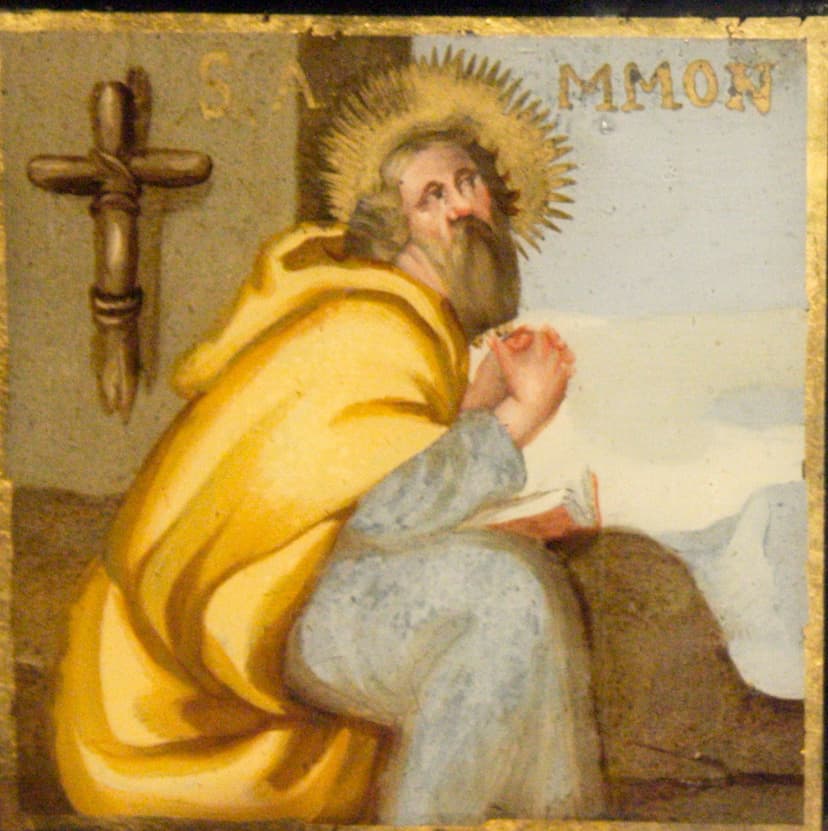
Ammon of Egypt
Ammon of Egypt was a 4th-century Christian ascetic and the founder of one of Egypt's most celebrated monastic communities. He is remembered for his influential role in early monasticism, particularly in the Nitrian Desert, and for his teachings on asceticism. His life and writings inspired many to follow a monastic path.
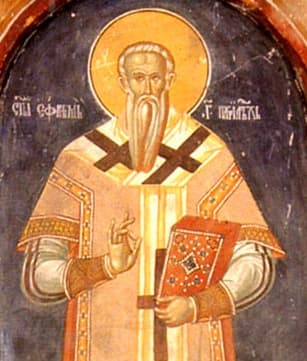
Ephraim of Serbia
Ephraim of Serbia, also known as Elder Jefrem, served twice as the Patriarch of the Serbian Patriarchate of Peć and was a renowned poet. Born into a priestly family of Bulgarian origin, he became a monk and later an ascetic before twice assuming the patriarchal throne, renouncing it each time to return to monastic life. He is remembered for his poetic works and his leadership of the Serbian Church during a turbulent period.
Euphrosyne of Alexandria
Euphrosyne of Alexandria was an Egyptian saint who lived as an ascetic for 38 years by disguising herself as a male monk. She is chiefly remembered for her devotion, her clever evasion of an arranged marriage, and her eventual reconciliation with her father before his own monastic life.