
Ephraim of Serbia
June 15/28·14th century·Serbia
Ephraim of Serbia, also known as Elder Jefrem, served twice as the Patriarch of the Serbian Patriarchate of Peć and was a renowned poet. Born into a priestly family of Bulgarian origin, he became a monk and later an ascetic before twice assuming the patriarchal throne, renouncing it each time to return to monastic life. He is remembered for his poetic works and his leadership of the Serbian Church during a turbulent period.
Key Facts
- ›Ephraim of Serbia was Patriarch of the Serbian Patriarchate of Peć from 1375–1379 and again from 1389–1392.
- ›He was born around 1312 into a priestly family and became a monk at the age of 23.
- ›He spent time as an ascetic on Mount Athos before moving to Serbia.
- ›Ephraim renounced his patriarchal throne twice to live as an ascetic.
- ›He died on June 14, 1400, and was buried at the Patriarchate of Peć Monastery.
- ›He was proclaimed a saint by Sava V in 1406 or 1407.
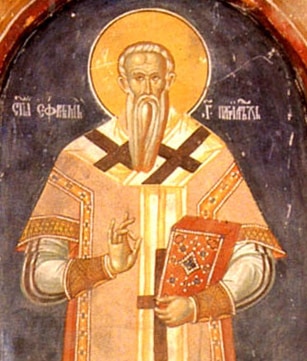
Elder Jefrem, Jefrem
About Ephraim of Serbia
Ephraim of Serbia (c. 1312 – 1400), also known as Elder Jefrem, was a prominent figure in the Serbian Orthodox Church, serving twice as the Patriarch of the Patriarchate of Peć. He was also a distinguished poet whose works have been preserved.
Life and Historical Context
Born into a priestly family, believed to be of Bulgarian origin, Ephraim embraced monastic life around the age of 23. His spiritual journey led him to Mount Athos, where he resided in various monasteries, including Hilandar and Zograf, and later lived as a hesychastic ascetic. Around 1347, he left Athos and eventually moved to Serbia. He spent time in the Patriarchate of Peć Monastery and lived in ascetic seclusion in a cave-church near Visoki Dečani. Patriarch Sava IV later provided him with a cell in Ždrelo, near the Patriarchate of Peć Monastery.
During a period of unrest within the state and the Church, Ephraim was chosen to succeed as patriarch on October 3, 1375. To safeguard the Church from the influence of feudal lords, he voluntarily renounced his position, passing it to Spiridon and returning to his ascetic practices. Following Spiridon's death in 1389, Ephraim once again assumed the patriarchal office. However, he retired to Ždrelo in 1392, renouncing the throne for a second time. He died on the evening of June 14, 1400, and was buried the following day at the Patriarchate of Peć Monastery.
Sainthood and Legacy
Ephraim was proclaimed a saint by Sava V in 1406 or 1407, with signs of sainthood reportedly appearing after his death. Bishop Marko later authored a Service and Life of Saint Jefrem. His feast day is observed on June 15/28, in conjunction with Saints Lazar and Spyridon. Ephraim's enduring legacy is tied to his spiritual leadership and his significant contributions to Serbian literature through his original poetry, which remains a valuable part of the historical record.
Source: Wikipedia ↗
Frequently Asked Questions
When did Ephraim of Serbia live?
Ephraim of Serbia was born around 1312 and died in 1400. He served as Patriarch twice during the latter half of the 14th century.
What was Ephraim of Serbia's role in the Serbian Church?
He was the Patriarch of the Serbian Patriarchate of Peć, holding the position for two separate terms. He also lived as a monk and ascetic.
Why did Ephraim renounce his patriarchal throne?
According to historical accounts, he renounced his throne to protect the Church from interference by feudal lords and to return to an ascetic way of life.
What is Ephraim of Serbia remembered for besides his patriarchate?
He is also recognized as a renowned poet. His original poetic works have been preserved in a 14th-century manuscript.
When is Ephraim of Serbia's feast day?
His feast day is celebrated on June 15/28, often alongside Saints Lazar and Spyridon.
Related Saints
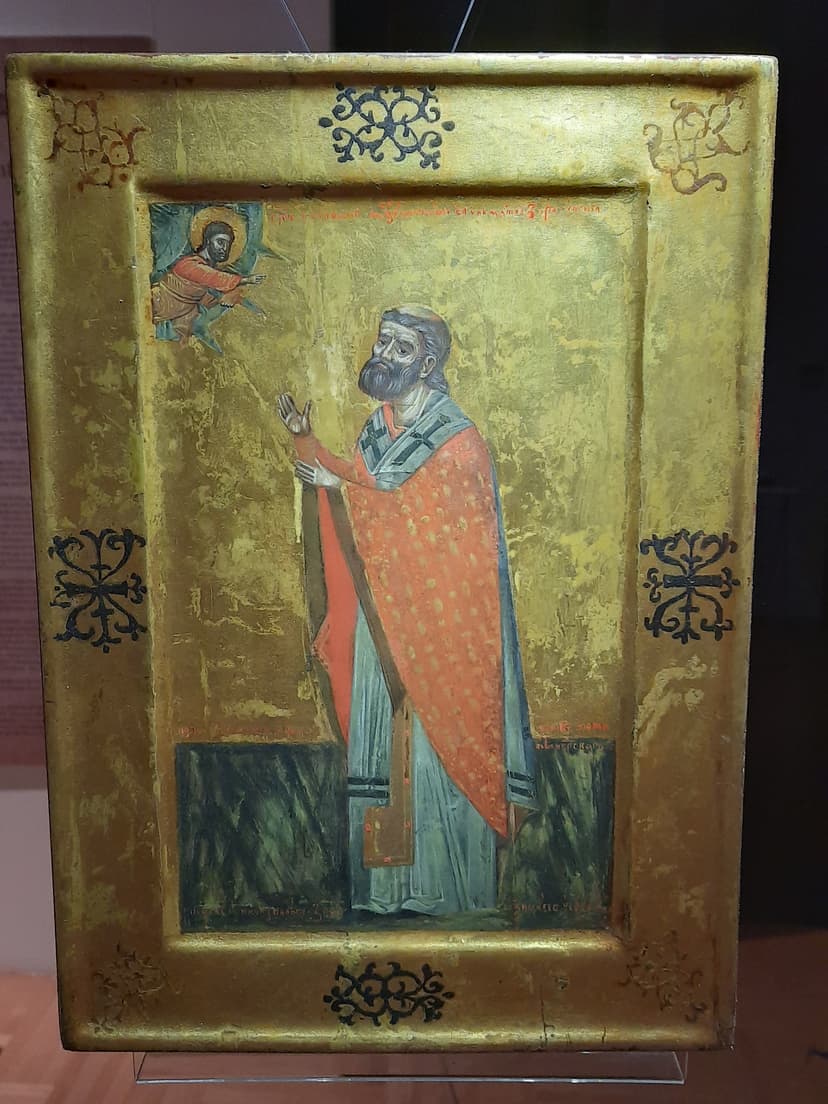
Paisius of Janjevo
Paisius of Janjevo served as the Patriarch of the Serbian Patriarchate of Peć from 1614 to 1647. He is remembered for his significant contributions to Serbian literature and theology, inspiring a revival of hagiographical writing and engaging in theological debates with Roman Catholic popes. Paisius also patronized art and undertook extensive diplomatic travels.
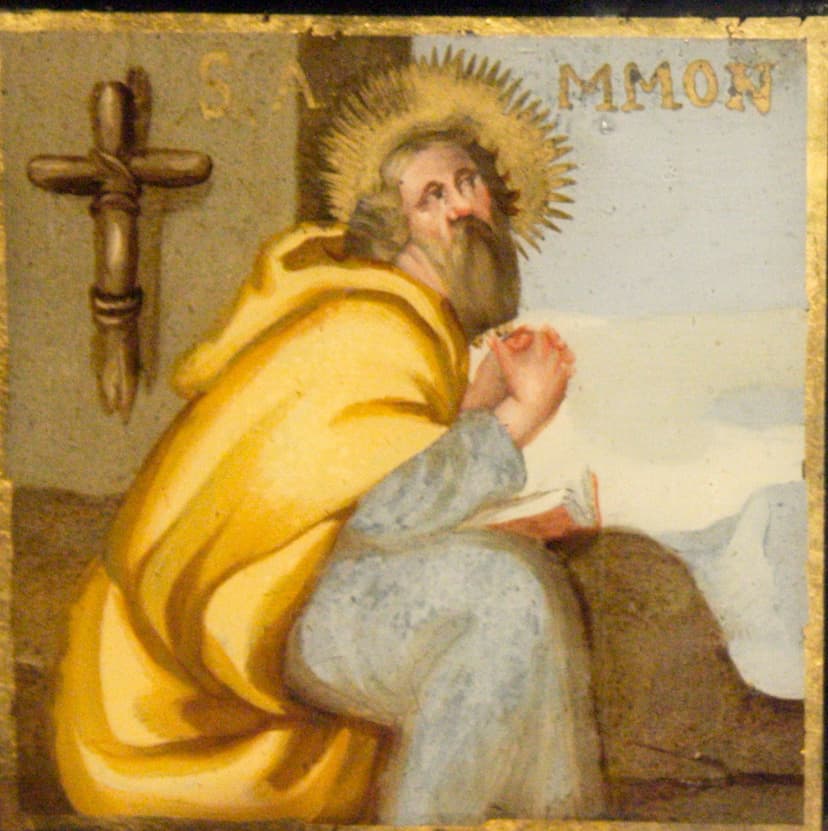
Ammon of Egypt
Ammon of Egypt was a 4th-century Christian ascetic and the founder of one of Egypt's most celebrated monastic communities. He is remembered for his influential role in early monasticism, particularly in the Nitrian Desert, and for his teachings on asceticism. His life and writings inspired many to follow a monastic path.
Euphrosyne of Alexandria
Euphrosyne of Alexandria was an Egyptian saint who lived as an ascetic for 38 years by disguising herself as a male monk. She is chiefly remembered for her devotion, her clever evasion of an arranged marriage, and her eventual reconciliation with her father before his own monastic life.