
Paisius of Janjevo
Paisius of Janjevo served as the Patriarch of the Serbian Patriarchate of Peć from 1614 to 1647. He is remembered for his significant contributions to Serbian literature and theology, inspiring a revival of hagiographical writing and engaging in theological debates with Roman Catholic popes. Paisius also patronized art and undertook extensive diplomatic travels.
Key Facts
- ›Born in Janjevo, Ottoman Empire, around 1542.
- ›Became Patriarch of the Serbian Patriarchate of Peć in 1614.
- ›Engaged in theological discussions with Pope Gregory XV and Pope Urban VIII.
- ›Traveled to Moscow in 1622, Constantinople in 1641, and Jerusalem in 1646.
- ›Wrote "the Life of Emperor Uroš" and composed services for various saints.
- ›Died on November 2, 1647, and was buried in the Patriarchal Monastery of Peć.
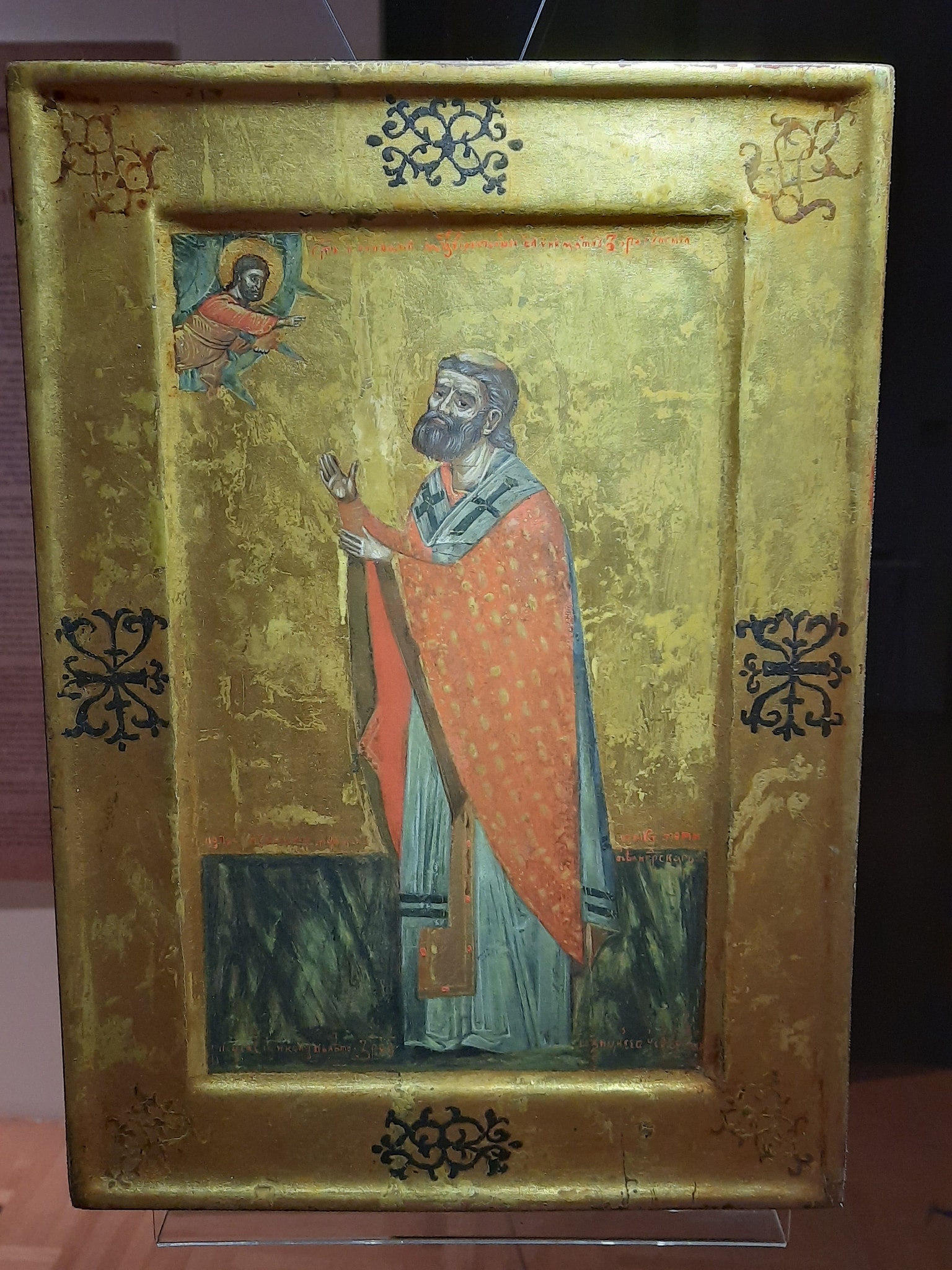
Pajsije Janjevac
About Paisius of Janjevo
Paisius of Janjevo, also known as Pajsije Janjevac, was a prominent figure in the Serbian Orthodox Church, serving as the Patriarch of the Serbian Patriarchate of Peć from 1614 to 1647. Born in Janjevo around 1542, he came from a clerical family and received his education in his hometown and at the seminary of Gračanica monastery. He was known as a devoted "book lover" and a cultured individual who dedicated himself to preserving scattered manuscripts.
Life and Ministry
Paisius was elected Metropolitan of Novo Brdo and Lipljan in 1612 and later became locum tenens of the Patriarchate in 1614. He was elected Patriarch on October 4, 1614, following the tragic death of his predecessor, Patriarch Jovan II Kantul. His tenure was marked by a more passive diplomatic policy compared to his predecessor, aiming to balance the interests of the Serbian nation between the Ottoman Empire and the West.
He actively sought support from the Tsardom of Russia, which provided literary and financial aid. Paisius worked to strengthen the nation's spirit through liturgy and writing, composing works such as "The Life of Emperor Uroš" and services for saints. He also engaged in significant theological discussions with Roman Catholic popes, notably Pope Urban VIII, regarding the filioque clause and other doctrinal differences.
Patronage and Travels
Patriarch Paisius was a grand patron of the arts, funding iconostasis woodcarvers and icon painters throughout his reign. His diplomatic missions were extensive, including journeys to Moscow in 1622, Constantinople in 1641, and Jerusalem in 1646. He also played a role in the repair and rebuilding of churches, such as Žiča Monastery, and was involved in efforts to save and preserve older manuscripts.
Legacy
Paisius of Janjevo is remembered for his significant contributions to Serbian literature, theology, and art. His writings, particularly "The Life of Emperor Uroš," aimed to connect Serbian rulers to their historical lineage. His conciliatory policy helped alleviate hardship and promoted spiritual and national revival, fostering an environment of enthusiasm for building and decorating temples. He died in Peć on November 2, 1647, and was buried in the Patriarchal Monastery of Peć.
Source: Wikipedia ↗
Frequently Asked Questions
When did Paisius of Janjevo serve as Patriarch?
Paisius of Janjevo served as the Patriarch of the Serbian Patriarchate of Peć from 1614 to 1647.
What were some of Paisius of Janjevo's major accomplishments?
He is credited with inspiring a revival of Serbian literature and theology, engaging in theological debates with Roman Catholic popes, and patronizing art on a large scale. He also undertook extensive diplomatic travels.
What theological issues did Paisius of Janjevo discuss with the Pope?
Paisius of Janjevo engaged in theological debates with Pope Gregory XV and particularly Pope Urban VIII concerning the procession of the Holy Spirit. He was against the filioque and suggested recognition of the Pope's primatum honoris if certain conditions were met.
Where did Paisius of Janjevo travel during his life?
His travels took him to Moscow in 1622, Constantinople in 1641, and Jerusalem in 1646. He also visited various monasteries and regions within the Serbian Patriarchate.
How did Paisius of Janjevo die?
Paisius of Janjevo died on November 2, 1647, a few days after being wounded by a bull in the village of Budosavci.
Related Saints
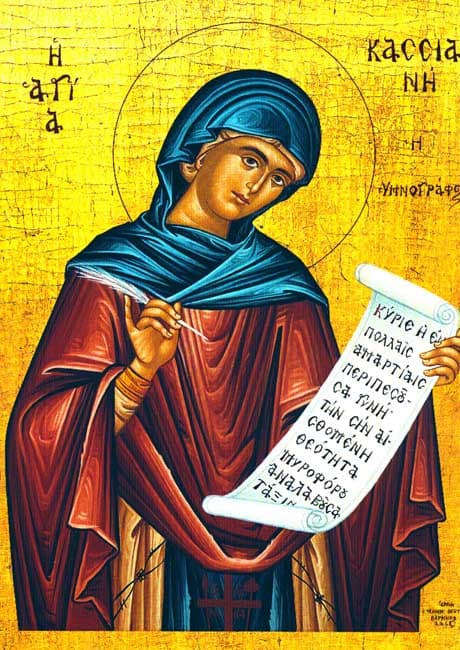
Kassia the Hymnographer
Kassia the Hymnographer was a Byzantine composer, hymnographer, and poet who lived in the 9th century. She holds a unique place in Byzantine music as the only known woman whose compositions are included in the liturgy. Kassia is remembered for her approximately fifty extant hymns, at least 261 epigrams and gnomic verses, and her outspoken defense of icon veneration.
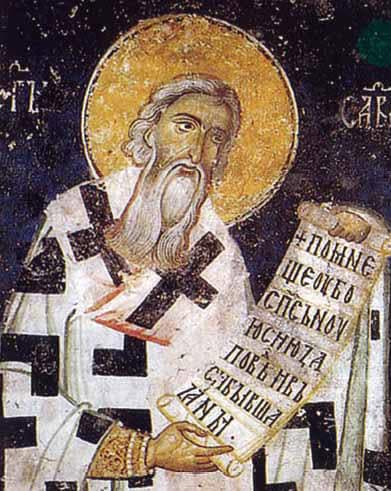
Sava I of Serbia
Saint Sava of Serbia was a Serbian prince and monk who became the first Archbishop of the autocephalous Serbian Church. He is revered as a pivotal figure in Serbian history, known for his work in establishing religious and political independence, writing Serbia's first constitution, and authoring the earliest Serbian biography. Sava is widely considered the greatest figure of Serbian medieval literature and a key architect of Serbian statehood and spiritual identity.
Albert of Vercelli
Albert of Vercelli was a canon lawyer, bishop, and diplomat who served as Patriarch of Jerusalem. He is principally remembered for his role in mediating disputes and for composing the Carmelite Rule of St. Albert, which guided the newly founded Order of the Brothers of the Blessed Virgin Mary of Mount Carmel.